Solar Plant Projects: Guide, Insights, Overview, Basics, and Practical Knowledge for Beginners
Solar plant projects refer to the planning, design, installation, and operation of systems that convert sunlight into electricity using photovoltaic (PV) panels or concentrated solar power (CSP) technologies. These projects can range from small rooftop installations to large-scale utility solar farms supplying electricity to the grid.
In recent years, solar energy has become a major focus globally due to rising energy demand, environmental concerns, and the push toward cleaner energy sources. Governments, businesses, and households are increasingly investing in solar projects to reduce dependence on fossil fuels and lower carbon emissions. According to international energy trends, solar power has been among the fastest-growing energy sources, driven by declining installation costs and supportive policies.
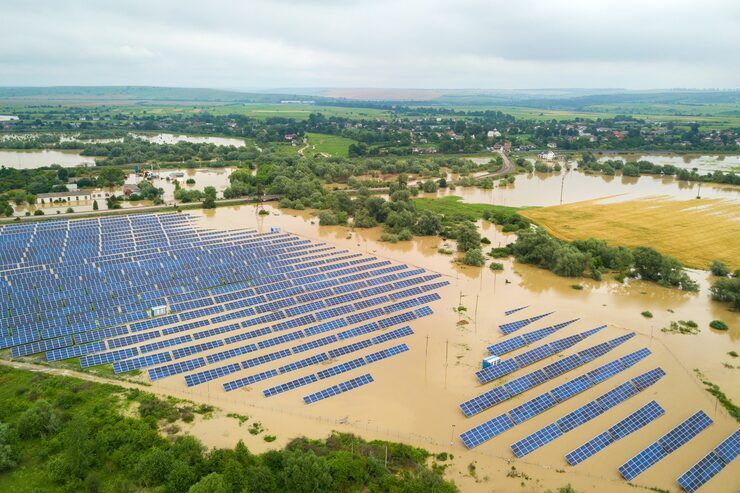
This comparison and guide matter today because decision-makers—whether individuals, companies, or policymakers—need clear insights into types of solar projects, costs, benefits, and regulatory factors. With rapid technological advancements and evolving government programs, understanding solar plant projects helps in making informed, future-ready energy decisions.
Who It Affects and What Problems It Solves
Solar plant projects impact a wide range of stakeholders. Homeowners benefit from reduced electricity bills and energy independence. Businesses use solar installations to control operating costs and meet sustainability goals. Governments rely on solar projects to meet renewable energy targets and reduce environmental impact. Additionally, investors see solar energy as a stable, long-term infrastructure opportunity.
In developing and energy-demanding regions, solar projects also play a crucial role in improving energy access. Rural areas with limited grid connectivity can use decentralized solar systems to meet basic electricity needs.
Problems It Solves
- Rising Electricity Costs: Solar power reduces dependency on grid electricity, helping manage long-term energy expenses.
- Environmental Pollution: Solar energy generates electricity without greenhouse gas emissions.
- Energy Security: Reduces reliance on imported fuels and fluctuating energy prices.
- Power Shortages: Distributed solar systems can support grid stability and reduce outages.
- Sustainability Goals: Helps organizations and countries meet climate commitments.
Recent Updates and Trends
Over the past year, several key developments have shaped solar plant projects:
- Declining Solar Panel Costs: Continued improvements in manufacturing efficiency have made solar panels more affordable, though supply chain fluctuations still influence pricing.
- Energy Storage Integration: Battery storage systems are increasingly paired with solar plants to ensure consistent power supply even during non-sunny hours.
- Hybrid Renewable Projects: Solar is being combined with wind and other renewable sources to improve efficiency and reliability.
- Digital Monitoring Systems: Smart monitoring tools and AI-based analytics are improving plant performance and maintenance planning.
- Policy Push for Net-Zero Goals: Many countries have accelerated renewable energy targets, increasing solar project approvals and investments.
- Rooftop Solar Growth: Urban areas are seeing higher adoption due to incentives and rising electricity tariffs.
These trends indicate a shift from basic solar adoption to optimized, technology-driven energy systems.
Solar Plant Project Comparison Table
| Feature | Rooftop Solar Projects | Ground-Mounted Solar Plants | Utility-Scale Solar Farms |
|---|---|---|---|
| Typical Capacity | 1 kW – 100 kW | 100 kW – 5 MW | 5 MW and above |
| Installation Location | Residential/Commercial roofs | Open land | Large dedicated land areas |
| Initial Cost | Moderate | High | Very High |
| Maintenance Complexity | Low | Medium | High |
| Energy Output | Limited | Moderate | Very High |
| Grid Connection | Optional/Partial | Usually connected | Fully grid-connected |
| Land Requirement | None | Moderate | Extensive |
| Best For | Homes, small businesses | Medium industries | Power utilities, governments |
| Payback Period | 4–7 years | 5–8 years | 6–10 years |
Laws or Policies and Practical Guidance
Solar plant projects are heavily influenced by government regulations, incentives, and policies. These frameworks vary by country but generally aim to encourage renewable energy adoption.
Key Policy Areas
- Subsidies and Incentives: Governments often provide financial support for rooftop solar installations to encourage adoption.
- Net Metering Policies: Allow users to feed excess electricity back into the grid and receive credits.
- Renewable Energy Targets: National goals drive investment in large-scale solar projects.
- Land Use Regulations: Ground-mounted and utility-scale projects must comply with zoning and environmental rules.
- Grid Connection Standards: Ensure safe integration of solar power into the electricity network.
Practical Guidance
- For Homeowners: Rooftop solar is usually the most practical due to lower costs and available subsidies.
- For Businesses: Ground-mounted systems or hybrid solar setups can provide better scalability.
- For Investors or Utilities: Utility-scale solar farms offer high output but require significant capital and regulatory approvals.
- For Rural Areas: Off-grid or microgrid solar systems are effective where grid access is limited.
Understanding local regulations is essential before starting any solar project, as compliance directly impacts feasibility and returns.
Tools and Resources
Several tools and resources can help in planning, analyzing, and managing solar plant projects:
Planning and Design Tools
- Solar PV design software (e.g., system sizing and layout tools)
- Irradiance and weather data platforms for accurate energy estimation
- Financial modeling tools for ROI and payback calculations
Monitoring and Maintenance
- Remote monitoring systems for real-time performance tracking
- Predictive maintenance tools using data analytics
- Mobile apps for system health and energy output tracking
Informational Resources
- Government renewable energy portals
- Industry research reports and market insights
- Educational platforms offering solar energy courses
Templates and Calculators
- Solar ROI calculators
- Energy consumption assessment templates
- Installation cost estimation tools
Using these resources can significantly improve project planning accuracy and operational efficiency.
Frequently Asked Questions (FAQ)
What is the average cost of a solar plant project?
The cost depends on the type and scale. Rooftop systems are relatively affordable, while utility-scale projects require substantial investment due to land, infrastructure, and grid integration.
How long does a solar plant last?
Most solar panels have a lifespan of 25–30 years, with gradual efficiency reduction over time.
Is solar energy reliable in all weather conditions?
Solar systems generate less electricity on cloudy days but still function. Energy storage systems can help maintain consistent supply.
What is net metering and how does it work?
Net metering allows users to send excess electricity to the grid and receive credits, reducing overall electricity costs.
Are solar projects suitable for small businesses?
Yes, small and medium businesses can benefit from rooftop or small ground-mounted systems to reduce operational costs and improve sustainability.
Conclusion
Solar plant projects have evolved into a critical component of modern energy systems, offering scalable solutions for individuals, businesses, and governments. Data trends show increasing adoption driven by falling costs, supportive policies, and the need for sustainable energy.
Rooftop solar projects are ideal for residential and small-scale use due to their affordability and ease of installation. Ground-mounted systems offer higher capacity for commercial applications, while utility-scale solar farms provide large-scale power generation for national grids.
From a practical standpoint, the best choice depends on available space, budget, and energy requirements. For most users, starting with a rooftop system is a balanced and accessible approach, while larger entities may benefit from investing in ground-mounted or utility-scale projects.
Overall, solar energy stands out as a reliable, long-term solution for addressing energy challenges while supporting environmental sustainability.