Solar Inverter Systems Comparison Guide: Basics, Insights, Tips, and Practical Knowledge
Solar inverter systems are a core component of any solar power setup. They convert the direct current (DC) electricity generated by solar panels into alternating current (AC), which is used by most household appliances and electrical systems. Without an inverter, solar energy produced by panels cannot be utilized effectively in homes or businesses.
In recent years, the comparison of different solar inverter systems has become increasingly important due to rapid growth in renewable energy adoption. With global emphasis on sustainability, countries like India have seen significant expansion in rooftop solar installations and utility-scale solar farms. This growth has led to a variety of inverter technologies entering the market, each offering different levels of efficiency, monitoring capability, and cost structure.
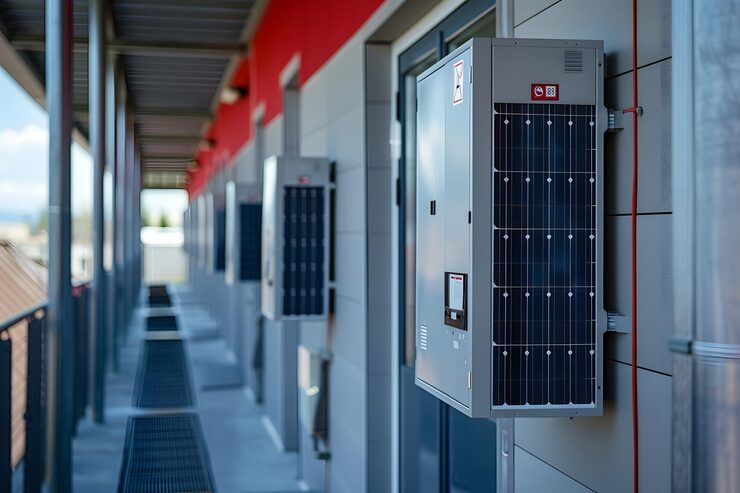
Trends such as smart inverters, hybrid systems with battery storage, and grid-interactive technologies are reshaping how energy is consumed and managed. Choosing the right inverter is no longer just a technical decision—it directly impacts energy efficiency, system lifespan, and long-term savings. Understanding these differences helps users make informed, data-driven decisions.
Who It Affects and What Problems It Solves
Solar inverter systems affect a wide range of users, including residential homeowners, commercial establishments, industrial facilities, and even rural electrification projects. For homeowners, selecting the right inverter determines how efficiently solar energy is used and whether backup power is available during outages. For businesses, it influences operational costs and energy reliability.
Installers, engineers, and policymakers are also impacted. Installers need to match inverter types with system designs, while policymakers consider inverter standards when designing renewable energy programs.
Problems It Solves
- Energy Conversion Efficiency: Converts solar energy into usable electricity efficiently
- Grid Compatibility: Enables synchronization with utility grids
- Energy Storage Integration: Supports battery storage systems in hybrid setups
- Power Monitoring: Provides data insights for energy usage and system performance
- Safety and Stability: Protects against voltage fluctuations and system faults
Recent Updates and Trends
Over the past year, several developments have shaped the solar inverter market:
- Growth of Hybrid Inverters: Increased demand for energy independence has driven adoption of hybrid inverters that integrate battery storage.
- Smart Monitoring Features: Modern inverters now include app-based monitoring, allowing real-time tracking of energy generation and consumption.
- Improved Efficiency Ratings: Many new models now exceed 98% efficiency, reducing energy losses.
- Grid Stability Features: Advanced inverters support grid stabilization through voltage and frequency control, especially important in regions with high solar penetration.
- Policy-Driven Adoption: Government incentives and net metering policies have accelerated deployment in residential and commercial sectors.
These updates indicate a shift toward smarter, more integrated energy systems rather than standalone solar setups.
Solar Inverter Types Comparison Table
| Feature / Type | String Inverter | Microinverter | Hybrid Inverter |
|---|---|---|---|
| Installation Setup | Centralized | Panel-level | Centralized with storage |
| Efficiency | High (96–98%) | Very High (up to 99%) | High (varies with storage use) |
| Cost | Lower upfront | Higher upfront | Moderate to high |
| Maintenance | Easier but affects whole system | Easier per panel | Moderate |
| Performance in Shade | Lower | Higher | Moderate |
| Monitoring | Limited | Advanced (per panel) | Advanced |
| Battery Integration | Not supported | Not supported | Supported |
| Best Use Case | Large systems | Small or shaded rooftops | Backup + energy storage needs |
Laws or Policies and Practical Guidance
Solar inverter systems are influenced by national and regional policies, especially in countries like India where renewable energy adoption is actively promoted.
Key Regulatory Factors
- Grid Compliance Standards: Inverters must meet technical standards for grid connection, including voltage and frequency limits
- Net Metering Policies: These allow users to export excess solar energy back to the grid, requiring compatible inverters
- Subsidy Programs: Government incentives often apply only to approved inverter types and brands
- Safety Certifications: Mandatory certifications ensure safe operation and installation
Practical Guidance Based on Situation
-
Residential Users:
Choose hybrid inverters if backup power is needed during outages. For cost-sensitive users, string inverters are often sufficient. -
Commercial Installations:
String inverters are typically preferred due to scalability and lower costs, unless shading is a concern. -
Areas with Frequent Power Cuts:
Hybrid inverters with battery support provide reliability and energy independence. -
Urban Rooftops with Shade:
Microinverters offer better performance as they optimize energy generation per panel.
Tools and Resources
Several tools and platforms can help users better understand and manage solar inverter systems:
- Solar Calculators: Estimate system size, energy generation, and savings
- Monitoring Apps: Track real-time performance and detect issues early
- Government Portals: Provide subsidy information and approved vendor lists
- Energy Simulation Software: Helps design optimal solar systems
- Installation Guides and Templates: Assist professionals in system planning
These resources simplify decision-making and improve system efficiency over time.
Frequently Asked Questions (FAQs)
What is the main function of a solar inverter?
A solar inverter converts DC electricity generated by solar panels into AC electricity used by appliances and the electrical grid.
Which type of inverter is best for home use?
It depends on needs. String inverters are cost-effective, while hybrid inverters are better for backup power and energy storage.
Are microinverters more efficient than string inverters?
Yes, especially in shaded conditions, because they optimize performance at the individual panel level.
Do solar inverters require maintenance?
They require minimal maintenance, but periodic checks and monitoring are recommended to ensure optimal performance.
How long does a solar inverter last?
Most inverters last between 8 to 15 years, depending on usage, environment, and quality.
Conclusion
Solar inverter systems play a critical role in determining the performance and efficiency of solar energy setups. Data shows that inverter efficiency, system compatibility, and monitoring capabilities significantly influence long-term energy output and reliability.
String inverters remain a practical choice for large, cost-sensitive installations, while microinverters provide higher efficiency in complex environments. Hybrid inverters are increasingly relevant due to rising demand for energy storage and backup solutions.
The best choice ultimately depends on user requirements, budget, and environmental conditions. For users seeking flexibility and future-ready systems, hybrid inverters offer a balanced solution. For simpler setups, string inverters continue to deliver reliable performance.