Smart Parking Systems Guide: Basics, Insights, Tips & Practical Information
Smart parking systems are technology-driven solutions designed to optimize the use of parking spaces in urban and private environments. These systems typically use sensors, cameras, mobile apps, and data analytics to detect available parking spots and guide drivers efficiently. By reducing the time spent searching for parking, they help improve traffic flow, lower fuel consumption, and enhance overall urban mobility.
In recent years, the importance of smart parking has grown significantly due to rapid urbanization, increased vehicle ownership, and limited parking infrastructure. Cities across the world are adopting digital solutions to manage congestion and improve efficiency. The rise of smart cities, Internet of Things (IoT) integration, and real-time data systems has accelerated the deployment of these technologies.
Trends such as mobile-based reservations, AI-powered monitoring, and cloud-based parking platforms are shaping the future of parking management. The impact extends beyond convenience—smart parking contributes to environmental sustainability by reducing emissions and supports better urban planning through data-driven insights.
Who It Affects and What Problems It Solves
Smart parking systems affect a wide range of stakeholders. Urban residents benefit from reduced congestion and easier access to parking. Businesses and commercial property owners can manage parking assets more efficiently, improving customer satisfaction. Municipal authorities gain better control over traffic flow and parking enforcement. Additionally, commuters and daily drivers experience reduced stress and time savings.
From an operational perspective, these systems are particularly valuable in high-density cities, airports, shopping malls, hospitals, and office complexes where parking demand often exceeds supply.
Problems It Solves
- Traffic Congestion: A significant portion of urban traffic comes from drivers searching for parking. Smart systems reduce this inefficiency.
- Time Wastage: Drivers spend less time locating available spaces through real-time updates.
- Fuel Consumption: Reduced driving time leads to lower fuel usage and emissions.
- Poor Space Utilization: Sensors and analytics help maximize parking occupancy rates.
- Revenue Leakage: Automated payment systems and monitoring improve fee collection accuracy.
- User Frustration: Navigation apps and reservation systems enhance user convenience.
Recent Updates and Trends (Past Year)
The smart parking sector has seen several notable developments over the past year:
- AI Integration: Artificial intelligence is increasingly used for predictive parking availability and traffic pattern analysis.
- License Plate Recognition (LPR): More systems now use automated number plate recognition for seamless entry and exit.
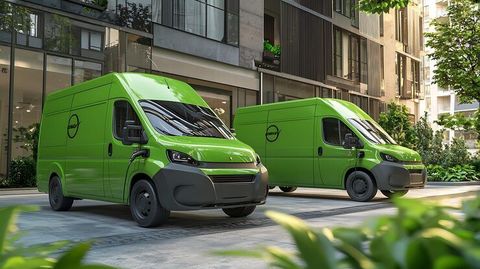
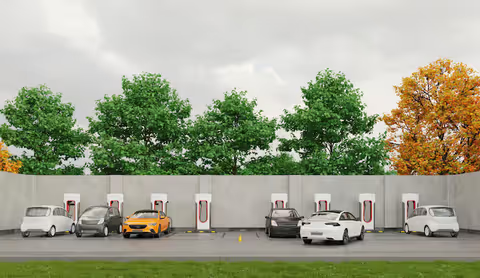
- Electric Vehicle (EV) Integration: Parking systems are being integrated with EV charging infrastructure to support sustainable transport.
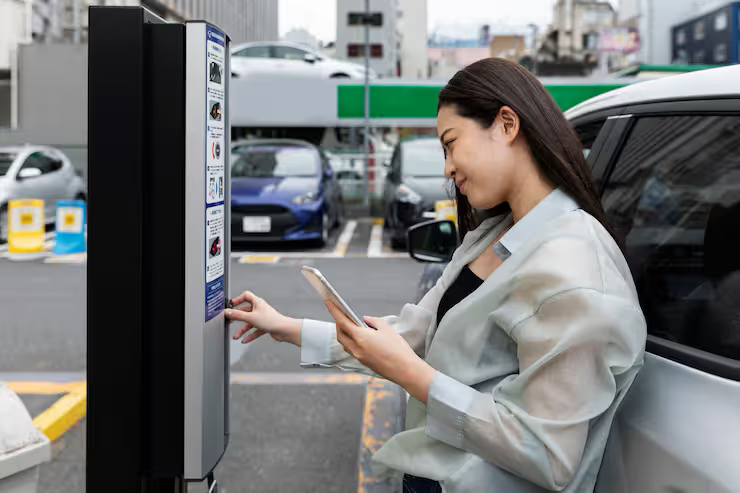
- Mobile App Expansion: Enhanced mobile apps now offer features like pre-booking, digital payments, and real-time navigation.
- Cloud-Based Platforms: Shift toward cloud infrastructure allows scalable and centralized parking management.
- Data Analytics: Cities are leveraging parking data for urban planning and policy-making.
Governments and municipalities are also investing in pilot projects and public-private partnerships to expand smart parking infrastructure.
Smart Parking Systems Comparison Table
| Feature / System Type | Sensor-Based Systems | Camera-Based Systems | App-Based Systems | Automated Parking Systems |
|---|---|---|---|---|
| Technology Used | IoT sensors | CCTV & AI vision | Mobile apps & GPS | Robotics & automation |
| Accuracy Level | High (spot detection) | Very High (visual data) | Moderate (user input/data) | Very High |
| Installation Cost | Medium | High | Low | Very High |
| Maintenance | Moderate | High | Low | High |
| Real-Time Updates | Yes | Yes | Yes | Yes |
| User Convenience | High | High | Very High | Very High |
| Scalability | Good | Moderate | Excellent | Limited |
| Best Use Case | Streets, open parking | Large facilities | Urban commuters | Premium buildings |
| Data Analytics Capability | Moderate | High | Moderate | High |
Laws and Policies Impacting Smart Parking
Smart parking systems are influenced by various regulations and government initiatives, especially in countries like India and other rapidly urbanizing regions.
Key Regulatory Areas
- Urban Development Policies: Smart parking aligns with smart city initiatives and urban mobility plans.
- Data Privacy Laws: Systems collecting user data must comply with privacy regulations.
- Traffic Management Rules: Integration with municipal traffic systems is often regulated.
- Environmental Policies: Governments promote such systems to reduce emissions and congestion.
Government Programs
In India, initiatives like the Smart Cities Mission encourage the adoption of intelligent parking solutions. Local municipal corporations are implementing pilot projects in metro cities to modernize parking infrastructure.
Practical Guidance
- For Cities: Sensor-based or camera-based systems are ideal for managing public parking areas.
- For Businesses: App-based systems offer cost-effective solutions with high user engagement.
- For Premium Spaces: Automated parking systems are suitable where space optimization is critical.
- For Compliance: Ensure systems meet local data protection and infrastructure regulations before deployment.
Tools and Resources
Several tools and platforms support the implementation and use of smart parking systems:
Mobile Apps
- Parking navigation apps for real-time availability
- Reservation-based parking apps
- Digital payment-enabled parking platforms
Software Platforms
- Cloud-based parking management systems
- Data analytics dashboards for usage insights
- AI-based monitoring systems
Hardware Solutions
- IoT parking sensors
- Smart meters
- License plate recognition cameras
Online Resources
- Urban mobility research reports
- Government smart city portals
- Industry whitepapers on IoT and parking tech
Templates and Calculators
- ROI calculators for parking investments
- Capacity planning templates
- Cost-benefit analysis tools
These resources help stakeholders evaluate, implement, and optimize smart parking solutions effectively.
Frequently Asked Questions (FAQ)
What is a smart parking system?
A smart parking system uses technology such as sensors, cameras, and mobile apps to detect and manage parking spaces efficiently.
How do smart parking systems reduce traffic?
They guide drivers directly to available parking spots, reducing the time spent searching and minimizing unnecessary driving.
Are smart parking systems expensive to implement?
Costs vary depending on the system type. App-based solutions are more affordable, while automated systems require higher investment.
Can smart parking systems integrate with electric vehicles?
Yes, many modern systems include EV charging integration and support sustainable transportation infrastructure.
Is user data in smart parking systems?
Most systems follow data protection regulations, but it depends on the provider and compliance with local privacy laws.
Conclusion
Smart parking systems are becoming essential components of modern urban infrastructure. Data-driven insights show that inefficient parking contributes significantly to congestion and fuel consumption, making technological solutions increasingly relevant. Among the available options, sensor-based and camera-based systems offer high accuracy, while app-based solutions provide scalability and affordability.
For cities aiming to reduce congestion and improve traffic flow, investing in smart parking infrastructure is a practical step. Businesses can benefit from enhanced user experience and better resource management. While automated systems provide advanced capabilities, their cost limits widespread adoption.
Overall, the choice of a smart parking system depends on specific needs, budget, and scale. A hybrid approach combining sensors, apps, and analytics often delivers the best results in real-world scenarios.