Electric Infrastructure Projects: Guide, Insights, Overview, Basics & Practical Knowledge Explained
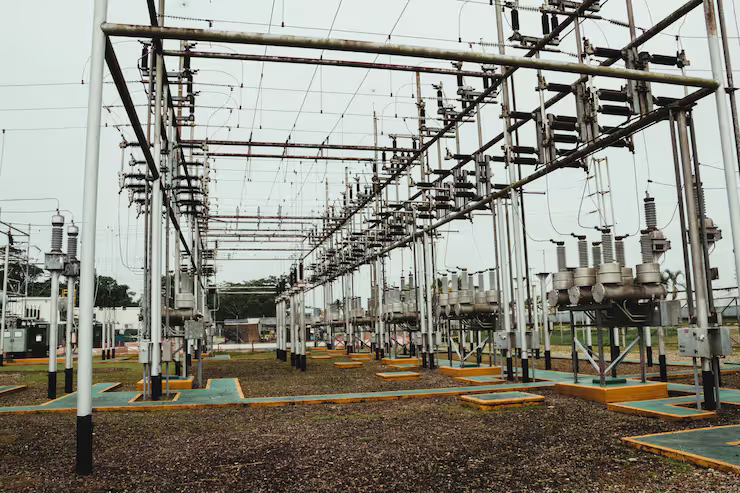
Electric infrastructure projects refer to the planning, development, and modernization of systems that generate, transmit, and distribute electricity. These include power plants, substations, transmission lines, smart grids, and renewable energy installations. As economies grow and digital technologies expand, reliable electricity becomes a fundamental requirement for industries, households, and public services.
In recent years, the importance of comparing different electric infrastructure approaches has increased significantly. Governments and private stakeholders must decide between traditional fossil-fuel-based systems, renewable energy infrastructure, and hybrid grid solutions. This comparison matters because each option differs in cost, scalability, environmental impact, and long-term sustainability.
Global trends show a strong shift toward renewable energy, grid modernization, and decentralized energy systems. Technologies such as smart grids, energy storage, and microgrids are transforming how electricity is delivered and consumed. At the same time, aging infrastructure in many regions requires upgrades to prevent outages and improve efficiency. These changes have a direct impact on economic growth, energy security, and climate goals, making informed decision-making essential.
Who It Affects and What Problems It Solves
Electric infrastructure projects affect a wide range of stakeholders. Governments rely on them to support economic development and ensure energy security. Businesses depend on stable electricity for production, logistics, and digital operations. Households need consistent power for daily life, education, and communication. Additionally, sectors such as healthcare, transportation, and telecommunications are heavily dependent on uninterrupted electricity supply.
In developing regions, improved infrastructure can drive industrialization and reduce energy poverty. In developed economies, modernization projects help integrate renewable energy and improve efficiency. Investors and policymakers also play a critical role, as funding and regulations shape how these projects are executed.
Problems It Solves
- Power shortages and outages: Upgrading transmission and distribution networks reduces blackouts.
- Energy inefficiency: Modern grids optimize electricity flow and reduce losses.
- Environmental impact: Renewable infrastructure lowers carbon emissions.
- Limited access: Expanding infrastructure brings electricity to underserved areas.
- Grid instability: Smart technologies improve demand-response and load balancing.
Recent Updates and Trends
Over the past year, several important developments have shaped electric infrastructure projects globally:
- Renewable energy expansion: Solar and wind installations continue to grow rapidly, supported by falling costs and policy incentives.
- Grid modernization investments: Many countries are investing in smart grid technologies to improve resilience and efficiency.
- Energy storage growth: Battery storage systems are being deployed to manage renewable energy variability.
- Decentralized systems: Microgrids and distributed energy resources are gaining traction, especially in remote or disaster-prone areas.
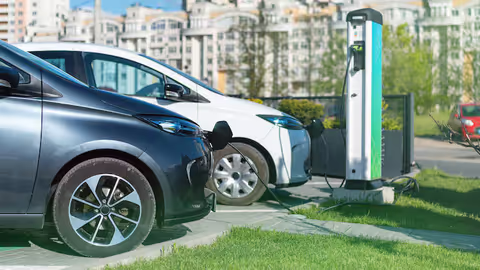
- Electrification trends: Increased adoption of electric vehicles and electrified industries is driving demand for stronger grid infrastructure.
These updates highlight a shift from centralized, fossil-fuel-based systems toward more flexible, sustainable, and technology-driven infrastructure.
Comparison Table: Types of Electric Infrastructure Projects
| Aspect | Traditional Infrastructure | Renewable Infrastructure | Smart Grid Systems | Hybrid Systems |
|---|---|---|---|---|
| Energy Source | Fossil fuels | Solar, wind, hydro | Mixed sources | Combination of all |
| Environmental Impact | High emissions | Low emissions | Moderate | Balanced |
| Initial Investment | Moderate | High (declining over time) | High | High |
| Operating Cost | High (fuel-based) | Low | Moderate | Moderate |
| Reliability | High (established systems) | Variable (weather dependent) | High (automated control) | High |
| Scalability | Limited | High | High | Very high |
| Technology Integration | Low | Moderate | Advanced | Advanced |
| Maintenance | Regular | Lower | Requires skilled systems | Moderate |
| Long-Term Sustainability | Low | High | High | Very high |
Laws or Policies Affecting Electric Infrastructure
Electric infrastructure projects are heavily influenced by government regulations, environmental policies, and energy strategies. These rules vary by country but generally focus on safety, sustainability, and efficiency.
Key Policy Areas
- Environmental regulations: Projects must comply with emission standards and environmental impact assessments.
- Renewable energy targets: Governments set goals for clean energy adoption, encouraging investment in solar and wind projects.
- Grid codes and standards: Ensure stability, safety, and interoperability of power systems.
- Subsidies and incentives: Financial support for renewable energy and infrastructure upgrades.
- Public-private partnerships (PPP): Encourage private investment in large-scale infrastructure.
Practical Guidance
- Urban areas: Smart grids and hybrid systems are more suitable due to high demand and digital integration needs.
- Rural areas: Renewable and microgrid solutions are often more cost-effective and scalable.
- Industrial zones: Reliable traditional or hybrid systems ensure uninterrupted power supply.
- Sustainability goals: Renewable infrastructure is preferred for long-term environmental benefits.
Tools and Resources
Several tools and platforms help in planning, analyzing, and managing electric infrastructure projects:
Planning and Design Tools
- Energy modeling software (e.g., grid simulation tools)
- GIS mapping tools for infrastructure planning
- Load forecasting systems
Monitoring and Management
- Smart grid management platforms
- SCADA (Supervisory Control and Data Acquisition) systems
- Energy management systems (EMS)
Financial and Analytical Tools
- Cost-benefit analysis calculators
- Project management software
- Risk assessment tools
Informational Resources
- Government energy portals
- International energy agency reports
- Research publications and technical guidelines
These tools support decision-making, improve efficiency, and reduce risks in infrastructure development.
Frequently Asked Questions (FAQ)
What are electric infrastructure projects?
Electric infrastructure projects involve building and upgrading systems that generate, transmit, and distribute electricity to meet demand efficiently and reliably.
Why are renewable infrastructure projects gaining popularity?
They reduce carbon emissions, lower operating costs, and align with global sustainability goals, making them a preferred long-term solution.
What is the role of smart grids in modern infrastructure?
Smart grids use digital technology to monitor and manage electricity flow, improving efficiency, reliability, and integration of renewable energy sources.
How do infrastructure projects impact economic growth?
Reliable electricity supports industrial activity, digital services, and overall productivity, contributing to economic development.
What challenges do electric infrastructure projects face?
Common challenges include high initial costs, regulatory approvals, land acquisition, and integration of new technologies.
Conclusion
Electric infrastructure projects are a critical foundation for modern economies, supporting everything from basic household needs to advanced industrial operations. The comparison between traditional, renewable, smart grid, and hybrid systems shows a clear trend toward more sustainable and technologically advanced solutions.
Data and global trends indicate that renewable and hybrid systems offer the best balance between cost, efficiency, and environmental impact over the long term. While traditional infrastructure still plays a role in ensuring stability, its limitations in sustainability and operating costs are becoming more evident.
For most scenarios, a hybrid approach—combining renewable energy with smart grid technologies—emerges as the most practical and future-ready solution. It provides reliability, scalability, and alignment with environmental goals, making it a strong recommendation for policymakers, businesses, and investors.