Electric Charging Systems Overview: Tips, Facts, and Useful Insights
Electric charging systems are the backbone of modern electric mobility, powering electric vehicles (EVs), hybrid vehicles, and even small-scale electric equipment. These systems include various charging technologies, connector types, power levels, and infrastructure setups designed to supply electrical energy efficiently and safely. As EV adoption accelerates globally, understanding how different charging systems compare has become essential for consumers, businesses, and policymakers.
In recent years, the shift toward sustainable transportation has significantly increased the demand for reliable and accessible charging infrastructure. Governments and private companies are investing heavily in expanding charging networks, while technological advancements are improving charging speed and efficiency. Key trends include ultra-fast charging stations, smart grid integration, and the growth of home-based charging solutions.
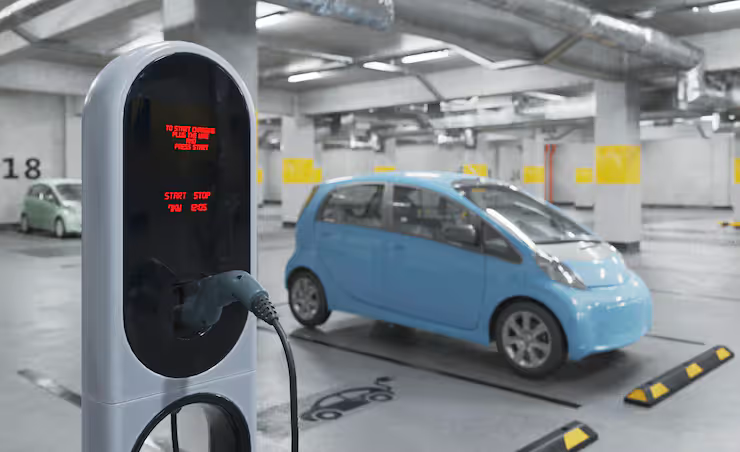
This comparison matters because users must choose between different charging types—such as AC vs. DC charging or slow vs. fast chargers—based on their needs, costs, and usage patterns. A clear understanding helps reduce range anxiety, optimize charging time, and improve overall energy efficiency. As the EV ecosystem evolves, informed decisions about charging systems play a crucial role in shaping a sustainable transportation future.
Who It Affects and What Problems It Solves
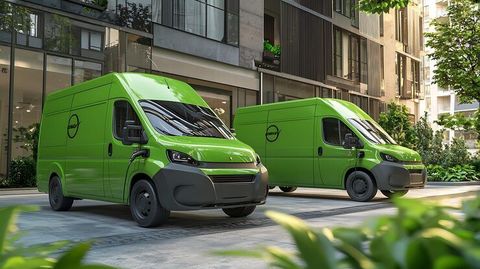
Electric charging systems impact a wide range of stakeholders. Individual EV owners rely on them for daily commuting, long-distance travel, and home charging convenience. Businesses such as fleet operators, logistics companies, and ride-sharing services depend on efficient charging to maintain operational continuity. Urban planners and governments must consider charging infrastructure as part of smart city development.
Additionally, utility providers and energy companies are directly affected, as increased electricity demand requires grid upgrades and better load management strategies. Real estate developers are also integrating charging stations into residential and commercial properties to meet growing demand.
One of the primary problems these systems solve is the limitation of traditional fuel dependency. Electric charging systems enable a shift away from fossil fuels, reducing greenhouse gas emissions and improving air quality. They also address the issue of accessibility by offering multiple charging options—from home-based slow charging to high-speed public stations.
Another key challenge they help resolve is range anxiety, which refers to the fear of running out of battery before reaching a charging point. With the expansion of charging networks and faster charging technologies, users can travel longer distances with greater confidence. Moreover, smart charging solutions optimize energy use, reducing electricity costs and preventing grid overload.
Recent Updates and Trends
Over the past year, several notable developments have shaped the electric charging systems landscape:
- Expansion of Fast Charging Networks: Many countries have increased the number of DC fast charging stations along highways and urban centers, enabling quicker refueling times for EV users.
- Standardization Efforts: There has been progress toward unified charging standards, particularly in connector types, to improve compatibility across different EV brands.
- Smart Charging Integration: Advanced systems now allow users to schedule charging during off-peak hours, reducing costs and easing pressure on the power grid.
- Battery Technology Improvements: New battery designs support higher charging speeds, reducing charging time significantly without compromising battery life.
- Renewable Energy Integration: Charging stations are increasingly powered by solar or wind energy, contributing to a cleaner energy ecosystem.
These trends highlight a shift toward faster, smarter, and more sustainable charging solutions, making EV adoption more practical and appealing.
Comparison Table: Types of Electric Charging Systems
| Feature | Level 1 Charging (AC) | Level 2 Charging (AC) | DC Fast Charging |
|---|---|---|---|
| Power Output | Low (1–2 kW) | Medium (3–22 kW) | High (50–350 kW) |
| Charging Speed | Very Slow | Moderate | Very Fast |
| Typical Use Case | Home charging | Homes, workplaces | Highways, public stations |
| Charging Time (0–80%) | 8–20 hours | 4–8 hours | 20–60 minutes |
| Installation Cost | Low | Moderate | High |
| Infrastructure Complexity | Simple | Moderate | Complex |
| Grid Impact | Minimal | Moderate | High |
| Compatibility | Universal | Widely compatible | Depends on connector type |
This comparison shows that each charging system serves a specific purpose. While Level 1 is suitable for overnight home use, DC fast charging is ideal for long-distance travel where time is critical.
Laws or Policies and Practical Guidance
Electric charging systems are influenced by government regulations, incentives, and infrastructure policies. Many countries have introduced programs to encourage EV adoption and charging infrastructure development.
In India, policies such as the Faster Adoption and Manufacturing of Electric Vehicles (FAME) scheme provide incentives for EV purchases and charging station installation. Additionally, guidelines from regulatory bodies ensure safety standards, pricing transparency, and interoperability among charging networks.
Other global policies include:
- Subsidies for installing home and public charging stations
- Mandates for EV-ready buildings in urban planning
- Standardization requirements for connectors and communication protocols
Practical Guidance
- For Home Users: Level 2 charging is often the most practical choice due to its balance of speed and cost.
- For Daily Commuters: Combining home charging with occasional public charging ensures flexibility.
- For Long-Distance Travel: DC fast charging stations are essential for reducing downtime.
- For Businesses: Installing multiple Level 2 chargers can support fleet operations efficiently.
Understanding local policies can help users reduce costs and choose the most suitable charging solution.
Tools and Resources
Several tools and platforms can help users navigate electric charging systems more effectively:
- Charging Station Locator Apps: Apps like PlugShare and ChargePoint help locate nearby charging stations and provide real-time availability.
- EV Range Calculators: These tools estimate driving range based on battery size, driving conditions, and energy consumption.
- Smart Charging Apps: Allow users to schedule charging sessions, monitor energy usage, and optimize costs.
- Government Portals: Provide information on incentives, subsidies, and approved charging infrastructure providers.
- Energy Cost Calculators: Help estimate the cost of charging based on electricity rates and usage patterns.
These resources make it easier for users to plan, manage, and optimize their EV charging experience.
Frequently Asked Questions (FAQ)
What is the difference between AC and DC charging?
AC charging uses alternating current and is typically slower, while DC charging delivers direct current directly to the battery, enabling much faster charging.
Which charging system is best for home use?
Level 2 AC charging is generally the best option for home use due to its faster charging time compared to Level 1 and reasonable installation cost.
How long does it take to charge an electric vehicle?
Charging time depends on the system used. It can range from several hours with Level 1 charging to under an hour with DC fast charging.
Are all charging stations compatible with every EV?
Not always. Compatibility depends on connector types and charging standards, although standardization efforts are improving this.
Is fast charging harmful to EV batteries?
Frequent use of fast charging may impact battery longevity over time, but modern battery management systems are designed to minimize damage.
Conclusion
Electric charging systems play a critical role in the transition to sustainable transportation. Data shows that faster charging infrastructure and improved battery technology are key drivers of EV adoption. While Level 1 and Level 2 charging systems provide cost-effective solutions for daily use, DC fast charging addresses the need for speed and convenience during long trips.
The comparison highlights that no single charging system fits all scenarios. Instead, the optimal choice depends on usage patterns, budget, and accessibility. For most users, a combination of home-based Level 2 charging and access to public fast chargers offers the best balance.
As infrastructure continues to expand and technology evolves, electric charging systems will become more efficient, accessible, and integrated with renewable energy sources. This progression supports a cleaner, more reliable energy future and makes electric mobility increasingly practical.