Smart Door Locks Comparison: Guide, Insights, Tips, and Practical Knowledge for Modern Security
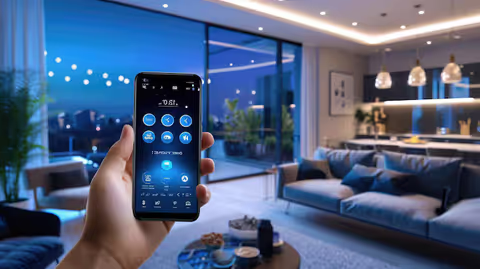
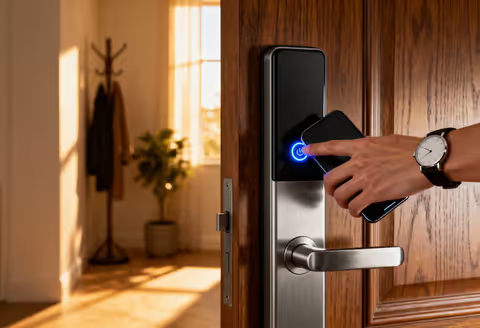
Smart door locks are advanced locking systems that replace or enhance traditional mechanical locks using digital technology. They allow users to control access through smartphones, keypads, biometrics, or voice assistants instead of physical keys. Over the past few years, these devices have evolved from niche home automation tools into mainstream security solutions, driven by increased adoption of smart homes and connected devices.
This comparison matters more than ever as households and businesses look for secure, convenient, and remote-controlled access systems. The rise in urban living, rental properties, and short-term accommodations has further increased demand for flexible access control. Additionally, concerns about physical security, lost keys, and unauthorized entry have pushed consumers toward digital alternatives.
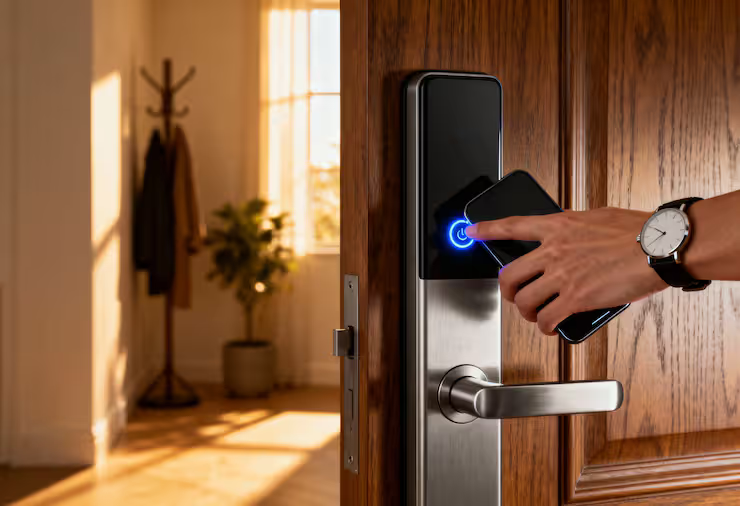
Recent trends show integration with broader smart ecosystems, improved encryption standards, and growing compatibility with voice assistants and IoT platforms. As a result, choosing the right smart lock is no longer just about convenience—it directly impacts security, privacy, and long-term usability.
Who It Affects and What Problems It Solves
Smart door locks affect a wide range of users, including homeowners, renters, property managers, and small businesses. For homeowners, they provide enhanced convenience and control, especially in households with multiple members. Renters benefit from temporary access options without changing physical locks. Property managers and Airbnb hosts rely on them for efficient guest access management.
Businesses, particularly small offices and retail stores, use smart locks to control employee access without distributing physical keys. This reduces administrative overhead and improves accountability.
Problems It Solves
- Lost or stolen keys: Eliminates the need for physical keys, reducing security risks
- Unauthorized access: Enables real-time monitoring and access logs
- Inconvenience: Allows remote locking/unlocking via smartphone
- Access management: Simplifies granting temporary or scheduled access
- Security gaps: Provides alerts and integration with security systems
Recent Updates and Trends
The past year has seen notable advancements in smart lock technology, reflecting broader developments in IoT and cybersecurity.
- Matter Protocol Adoption (2024–2025): Many manufacturers are integrating the Matter standard, improving interoperability across smart home ecosystems. This allows devices from different brands to work seamlessly together.
- Improved Battery Efficiency: Newer models now offer extended battery life, often lasting 6–12 months, with low-battery alerts integrated into mobile apps.
- Biometric Advancements: Fingerprint recognition has become faster and more accurate, reducing false rejections and improving usability.
- Enhanced Encryption: Manufacturers are implementing stronger encryption protocols (such as AES-128/256) to address growing concerns around hacking and digital security.
- Offline Functionality: Some smart locks now support local access (Bluetooth or keypad) even during internet outages, ensuring reliability.
- Integration with AI Assistants: Increased compatibility with voice assistants has improved hands-free operation, although security considerations remain important.
Smart Door Locks Comparison Table
| Feature / Type | Keypad Smart Locks | Bluetooth Smart Locks | Wi-Fi Smart Locks | Biometric Smart Locks |
|---|---|---|---|---|
| Access Method | PIN codes | Smartphone proximity | Remote app control | Fingerprint/biometric scan |
| Internet Dependency | No | No | Yes | Optional |
| Remote Access | Limited | Limited | Full remote access | Partial |
| Installation Complexity | Easy | Easy | Moderate | Moderate |
| Security Level | Moderate | High | High | Very High |
| Battery Usage | Low | Medium | High | Medium |
| Ideal For | Families, rentals | Personal use | Smart homes, offices | High-security needs |
| Cost Range | Low to mid | Mid | Mid to high | High |
Laws and Policies Affecting Smart Door Locks
Smart door locks are influenced by regional regulations related to digital security, data privacy, and building safety standards. In countries like India, while there are no lock-specific laws, broader frameworks such as IT and data protection guidelines apply.
Key Regulatory Considerations
- Data Privacy Laws: Smart locks that store user data must comply with privacy regulations, especially if cloud-based services are involved.
- Building Codes: Some residential societies or commercial buildings may restrict modifications to entry systems.
- Fire Safety Rules: Locks must allow emergency exit without digital failure risks.
- Cybersecurity Guidelines: Devices should follow secure communication protocols to prevent unauthorized access.
Practical Guidance
- For apartments, ensure compliance with housing society rules before installation
- For commercial use, prioritize locks with audit trails and role-based access
- For rental properties, choose systems with temporary access codes
- For high-security needs, opt for biometric or multi-factor authentication locks
Tools and Resources
To better understand, compare, and manage smart door locks, several tools and platforms can be useful:
Apps and Platforms
- Manufacturer mobile apps (for lock control and monitoring)
- Smart home hubs (centralized control systems)
- Voice assistant apps (for integration and automation)
Comparison Tools
- Online product comparison websites
- User review platforms for real-world insights
- Security rating benchmarks and certification bodies
Practical Resources
- Installation guides and video tutorials
- Battery life calculators (based on usage patterns)
- Smart home compatibility checkers
Templates and Checklists
- Home security planning checklist
- Access control management templates
- Maintenance and update schedules
Frequently Asked Questions
What is the main advantage of smart door locks over traditional locks?
Smart locks provide keyless entry, remote access, and real-time monitoring, which traditional locks cannot offer.
Are smart locks safe from hacking?
Most modern smart locks use strong encryption, but security depends on proper setup, regular updates, and using trusted brands.
Do smart locks work without internet?
Yes, many models function offline using Bluetooth or keypad access, though remote features require internet connectivity.
How long do smart lock batteries last?
Battery life typically ranges from 6 months to 1 year, depending on usage and connectivity type.
Can smart locks be installed on existing doors?
Most smart locks are designed to retrofit standard doors, but compatibility should be checked before purchase.
Conclusion
Smart door locks represent a significant shift in how access control is managed in modern environments. Data and industry trends indicate increasing adoption due to convenience, improved security features, and integration with smart home ecosystems. While Wi-Fi-enabled locks offer maximum control and flexibility, biometric locks provide the highest level of security. Keypad and Bluetooth locks remain practical and cost-effective for basic use cases.
The best choice depends on specific needs: homeowners may prioritize convenience, businesses may require audit trails, and high-security users may demand biometric authentication. Overall, smart locks offer measurable improvements in access management and security when implemented correctly.