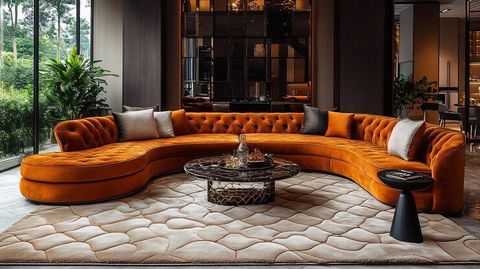
Luxury Velvet Lounge Furniture: Comparison Guide, Tips, Insights, Advice, and Practical Knowledge
Luxury velvet lounge furniture refers to sofas, armchairs, ottomans, and sectionals upholstered in velvet fabric, known for its soft texture, rich appearance, and premium feel. Over the past decade, velvet has re-emerged as a popular choice in interior design, particularly in urban homes, boutique hotels, and premium office lounges. This resurgence is driven by evolving consumer preferences toward comfort, aesthetics, and tactile materials.
In recent years, the comparison of velvet lounge furniture types has become more relevant due to the expansion of fabric technologies and design variations. Buyers today are not just choosing based on color or style—they are comparing durability, maintenance needs, sustainability, and cost efficiency. Additionally, the growth of e-commerce platforms and customization options has increased the complexity of decision-making.
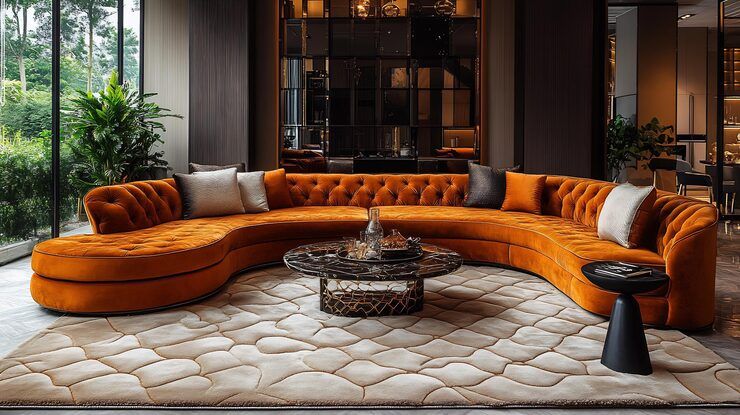
Trends such as stain-resistant velvet, eco-friendly fabrics, and modular furniture designs are shaping the market. The global furniture industry has also seen a shift toward multifunctional and compact designs, especially in urban living spaces. As a result, understanding the differences between various velvet furniture options helps consumers make informed, practical, and long-term decisions.
Who It Affects and What Problems It Solves
Luxury velvet lounge furniture primarily affects homeowners, interior designers, architects, and hospitality businesses. For homeowners, it influences comfort, aesthetic appeal, and lifestyle convenience. Interior designers rely on velvet furniture to create visually striking and cohesive spaces, while hospitality sectors use it to enhance guest experience and brand perception.
Urban residents, especially those living in apartments or compact homes, are increasingly drawn to velvet furniture due to its ability to add a sense of luxury without requiring large spaces. On the other hand, commercial users such as hotels and lounges prioritize durability and maintenance efficiency when selecting velvet upholstery.
Problems It Solves
- Aesthetic Enhancement: Velvet furniture adds depth, richness, and visual warmth to interiors.
- Comfort Improvement: The soft texture enhances seating comfort compared to synthetic alternatives.
- Space Optimization: Modern velvet furniture often comes in modular or compact designs suitable for small spaces.
- Versatility in Design: Available in various colors and finishes, it fits both modern and classic interiors.
- Durability with Innovation: New-generation velvets offer stain resistance and longer lifespan, addressing earlier concerns about wear and tear.
Recent Updates and Trends
The velvet furniture segment has seen several notable developments in the past year:
- Performance Velvet: Manufacturers are introducing high-performance velvet fabrics that resist stains, moisture, and fading. This innovation addresses one of the biggest concerns—maintenance.
- Sustainable Materials: There is a growing shift toward recycled polyester velvet and organic cotton blends, aligning with global sustainability goals.
- Neutral and Earthy Tones: While jewel tones like emerald and sapphire remain popular, muted shades such as beige, taupe, and olive green are trending in 2025.
- Modular Designs: Modular velvet sofas are gaining popularity due to flexibility in layout and ease of movement.
- Hybrid Upholstery: Some furniture now combines velvet with leather or metal elements to enhance durability and aesthetic contrast.
Industry reports suggest that premium upholstery fabrics, including velvet, are experiencing steady growth due to rising disposable income and increased focus on home aesthetics, especially post-pandemic.
Comparison Table: Types of Velvet Lounge Furniture
| Feature | Cotton Velvet | Polyester Velvet | Crushed Velvet | Performance Velvet |
|---|---|---|---|---|
| Texture | Soft, natural feel | Smooth, slightly synthetic | Shiny, textured | Smooth, durable |
| Durability | Moderate | High | Moderate | Very high |
| Maintenance | Requires care | Easy to clean | Moderate | Low maintenance |
| Cost Range | Medium to high | Affordable | Medium | Medium to high |
| Stain Resistance | Low | Moderate | Low | High |
| Best Use Case | Luxury home interiors | Everyday furniture | Decorative pieces | High-traffic areas |
| Environmental Impact | Natural but resource-heavy | Synthetic-based | Synthetic blend | Often eco-engineered |
Key Insights from Comparison
- Polyester and performance velvet dominate in durability and practicality.
- Cotton velvet remains a premium choice for aesthetics but requires more care.
- Crushed velvet is more decorative than functional.
- Performance velvet is increasingly preferred in modern homes and commercial settings.
Laws and Policies Affecting Velvet Furniture
Furniture production and sale are influenced by various regulations depending on the country. In India and many global markets, the following factors are relevant:
Safety and Material Standards
Furniture must comply with fire safety standards and chemical usage regulations. Upholstery fabrics are often tested for flammability and harmful substances.
Environmental Regulations
Governments are encouraging sustainable manufacturing practices. This includes restrictions on toxic dyes and incentives for eco-friendly materials such as recycled fabrics.
Import and Export Policies
Luxury furniture often involves imported materials. Changes in tariffs, trade policies, and logistics costs can impact pricing and availability.
Consumer Protection Laws
Buyers are protected under product quality and warranty regulations. Transparency in material composition and durability claims is essential.
Practical Guidance
- Choose certified fabrics if safety and sustainability are priorities.
- For commercial use, ensure compliance with fire safety norms.
- Consider locally manufactured options to reduce costs and environmental impact.
- Verify warranty and return policies before purchase.
Tools and Resources
Several tools and resources can help in evaluating and selecting velvet lounge furniture:
Online Visualization Tools
- Room planners and 3D visualization apps help users see how furniture fits into their space.
- Augmented reality (AR) tools allow real-time placement previews.
Fabric Comparison Platforms
- Websites that compare upholstery materials based on durability, cost, and maintenance.
Interior Design Software
- Tools like layout planners assist professionals in optimizing furniture placement.
Maintenance Guides and Calculators
- Online cleaning guides specific to velvet fabrics.
- Cost calculators for long-term maintenance and replacement planning.
Marketplaces and Review Platforms
- User reviews and ratings provide insights into real-world performance and durability.
Frequently Asked Questions (FAQ)
What makes velvet lounge furniture different from regular upholstery?
Velvet offers a unique soft texture and luxurious appearance that standard fabrics like cotton or polyester blends cannot replicate. It also reflects light differently, giving a rich visual depth.
Is velvet furniture suitable for daily use?
Yes, especially performance and polyester velvet variants. These are designed for durability and can withstand regular use with minimal maintenance.
How do you maintain velvet lounge furniture?
Regular vacuuming, avoiding direct sunlight, and prompt cleaning of spills help maintain its appearance. Performance velvet requires less intensive care.
Is velvet furniture environmentally friendly?
It depends on the material. Natural cotton velvet has a higher environmental footprint due to water usage, while recycled polyester velvet is considered more sustainable.
Which type of velvet is best for high-traffic areas?
Performance velvet is the most suitable due to its stain resistance, durability, and ease of maintenance.
Conclusion
Luxury velvet lounge furniture has evolved significantly, offering a balance between aesthetics, comfort, and functionality. Data and market trends indicate a clear shift toward performance-oriented and sustainable velvet options, particularly in urban and high-traffic environments.
From a comparison perspective, performance velvet stands out as the most practical choice for modern users due to its durability and low maintenance. Polyester velvet provides a cost-effective alternative, while cotton velvet remains a premium option for those prioritizing natural materials and texture.
Ultimately, the best choice depends on usage context. For homes with frequent use or children, performance velvet is recommended. For decorative or low-traffic areas, cotton or crushed velvet may be more suitable.
A data-driven approach—considering durability, cost, maintenance, and sustainability—ensures that buyers make informed decisions aligned with both short-term needs and long-term value.