Guide to Modern Sheet Metal & Fabrication Machinery for Precision Manufacturing Shops
Sheet metal fabrication machinery forms the backbone of countless manufacturing operations. From automotive parts and HVAC ductwork to electrical enclosures and structural components, the right equipment turns flat metal sheets into accurate, functional products. This guide walks through the main machine categories, how they work together, and practical points to consider when selecting or upgrading equipment.
Understanding Sheet Metal Fabrication Machinery
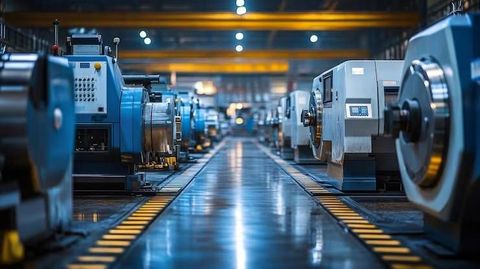
Sheet metal fabrication machinery refers to the specialized equipment used to cut, bend, punch, form, and join thin-to-medium gauge metal sheets. These machines handle materials such as mild steel, stainless steel, aluminum, and other alloys commonly used in industrial production.
Modern systems emphasize CNC control, higher precision, and automation. Fiber laser cutting machines, CNC press brakes, and automated bending cells now dominate many shops because they deliver tighter tolerances, faster cycle times, and lower operating costs compared with older mechanical or CO2-based equipment.
Core Processes Supported by Fabrication Equipment
Most fabrication workflows follow a clear sequence. Cutting creates blanks from large sheets. Forming and bending shape those blanks into three-dimensional parts. Punching or notching adds holes and features. Joining and finishing complete the assembly. The machinery chosen for each step directly affects part quality, throughput, and scrap rates.
Key Types of Sheet Metal Fabrication Machinery
Cutting Equipment
Straight-line cutting often starts with hydraulic or mechanical shearing machines (also called guillotine shears). These deliver clean, square cuts for blank preparation and are still widely used for high-volume simple sizing.
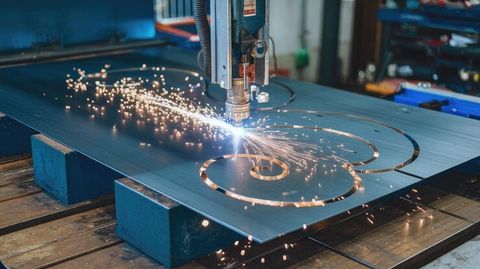
For complex contours and higher precision, fiber laser cutting machines lead the market. They offer fast cutting speeds, excellent edge quality, and the ability to process a wide range of thicknesses with minimal heat-affected zones. Plasma cutters remain popular for thicker plate, while waterjet systems handle materials that cannot tolerate heat.
CNC turret punch presses combine punching, forming, and some cutting functions in one machine. They excel at high-volume hole patterns and features in thinner sheets.
Forming and Bending Equipment
CNC press brakes are the workhorses of most fabrication shops. They use a punch and die to create precise bends and angles. Modern models feature CNC backgauges, crowning systems, and angle measurement tools that achieve high repeatability. Tonnage, bed length, and control sophistication determine suitability for light enclosures versus heavy structural work.
Panel benders provide high-speed automated forming, especially useful for large panels and high-volume production of boxes or cabinets. V-grooving machines score the metal before bending to produce sharp, clean corners with reduced springback.
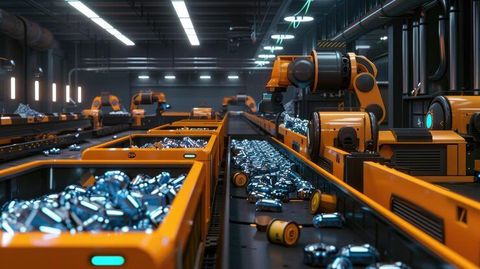
Automated bending cells pair a press brake or panel bender with robotic loading and unloading for lights-out or near-continuous operation.
Supporting and Specialized Machinery
Additional machines include plate rolls for cylindrical forms, ironworkers for multi-function punching and shearing of bar and plate, and various welding stations (MIG, TIG, spot, or robotic). Finishing equipment such as grinders, deburring machines, and powder-coating lines complete the production chain.
How to Select the Right Sheet Metal Fabrication Machinery
Start by mapping the parts you produce most often. Note material types, thickness ranges, part sizes, annual volumes, and required tolerances. A shop focused on HVAC ductwork has different needs than one making precision aerospace brackets or heavy structural fabrications.
Consider total cost of ownership rather than purchase price alone. Energy consumption, tooling costs, maintenance intervals, operator skill requirements, and expected uptime all matter. CNC and fiber-laser systems typically reduce labor and scrap while increasing throughput, which improves return on investment over time.
Look at automation readiness. Machines that accept automatic loading, robotic integration, or connection to shop-floor software support future growth and Industry 4.0 practices. Service support, spare-parts availability, and training from the manufacturer or dealer are equally important for long-term reliability.
Safety features, ergonomic design, and compliance with relevant standards should never be secondary considerations.
Benefits of Upgrading to Modern Fabrication Equipment
Contemporary sheet metal fabrication machinery delivers measurable improvements. Fiber laser systems cut faster and more efficiently than older CO2 lasers. CNC press brakes with adaptive controls reduce setup time and scrap. Automated cells free skilled operators for higher-value work and enable consistent quality across shifts.
Shops that invest thoughtfully often see gains in capacity, on-time delivery, and the ability to take on more complex or higher-margin jobs. Better machine data also supports predictive maintenance and continuous improvement efforts.
Practical Considerations for Shop Integration
Successful integration requires more than installing a single machine. Layout planning ensures efficient material flow from receiving through cutting, forming, welding, and shipping. Adequate power, compressed air, and exhaust systems must be available. Operator training and standardized work procedures help realize the full capability of CNC and automated equipment.
Software compatibility matters as well. CAM programming, nesting optimization, and machine connectivity reduce programming time and material waste. Many modern systems support OPC-UA or similar protocols for integration with manufacturing execution systems.
Conclusion
Choosing and operating the right sheet metal fabrication machinery is central to competitive manufacturing. Whether you are adding a CNC press brake, installing a fiber laser cutting machine, or building a more automated cell, focus on matching equipment capability to your actual production mix. Prioritize precision, reliability, and total operating cost. With careful selection and proper integration, modern machinery helps shops deliver higher quality parts more efficiently and position themselves for sustained growth.
Disclaimer: This article is for general informational purposes only and does not constitute professional engineering, purchasing, or safety advice. Equipment specifications, capabilities, and safety requirements vary by manufacturer and model. Always consult qualified machinery suppliers, review current technical documentation, and follow all applicable local regulations and safety standards before selecting, installing, or operating any sheet metal fabrication equipment. Market data and technology details may change over time.