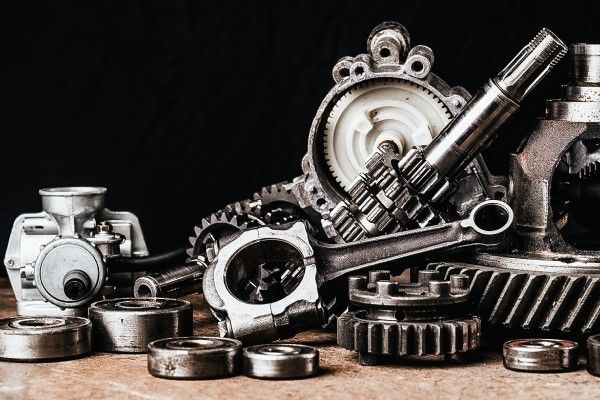
Importance: Why Engine Assembly Machines Matter Today
Engine assembly machines are a core part of modern precision manufacturing equipment, especially in the automotive and heavy machinery industries. As global demand for reliable engines increases, manufacturers rely on advanced automation to maintain quality, efficiency, and compliance.
Why They Are Important
Engine reliability directly impacts:
-
Vehicle safety
-
Fuel efficiency and emissions performance
-
Maintenance intervals
-
Overall operational lifespan
Key Challenges They Solve
Engine assembly machines help manufacturers:
-
Reduce assembly errors
-
Increase production speed
-
Maintain consistent quality standards
-
Support digital quality control systems
Automation also enables data-driven manufacturing. Sensors track:
-
Torque values
-
Component alignment
-
Inspection results
This data is stored in industrial quality control systems, helping engineers improve production processes and trace defects.
Manual vs Automated Assembly
| Feature | Manual Assembly | Automated Assembly Machines |
|---|
| Consistency | Operator-dependent | Highly standardized |
| Data Tracking | Limited | Real-time digital records |
| Speed | Moderate | High throughput |
| Error Detection | Post-process checks | In-line monitoring |
| Scalability | Labor-dependent | Easily scalable |
Automation also improves worker safety by reducing repetitive tasks and handling heavy engine components with robotic systems.
Applications
Engine assembly machines are used in:
-
Passenger vehicles
-
Commercial trucks
-
Agricultural machinery
-
Marine engines
-
Industrial generators
They are also adapting to support hybrid and electric powertrain assembly.
Recent Updates and Industry Trends
The engine manufacturing sector is rapidly evolving with digital transformation and sustainability goals.
AI Integration
AI-powered vision systems now detect micro-defects during assembly, improving accuracy and reducing waste.
Hybrid Production Lines
Manufacturers are adopting flexible assembly systems that support both traditional engines and hybrid powertrains.
Digital Twin Technology
Digital twins simulate entire production lines, allowing engineers to test improvements before implementation.
Energy Efficiency Improvements
Modern systems use:
-
Variable-speed drives
-
Smart standby modes
These features reduce energy consumption and improve operational efficiency.
Cybersecurity Enhancements
As factories become more connected, stronger cybersecurity measures protect production data and control systems.
Trend Comparison
| Area | Earlier Approach | Modern Approach |
|---|
| Inspection | Manual sampling | AI-based inspection |
| Line Design | Fixed configuration | Modular and flexible |
| Data Use | Basic logging | Predictive analytics |
| Maintenance | Reactive | Predictive monitoring |
Laws and Regulatory Considerations
Engine assembly machines operate under various regulatory frameworks related to safety, environment, and manufacturing standards.
Workplace Safety
-
Machine guarding systems
-
Emergency stop mechanisms
-
Ergonomic design requirements
Environmental Compliance
Engines must meet emission standards, influencing assembly precision and testing processes.
Quality Standards
Manufacturers follow internationally recognized systems (such as ISO standards) to ensure:
-
Traceability
-
Consistency
-
Product reliability
Energy Efficiency Policies
Governments promote energy-efficient manufacturing systems, encouraging the use of optimized machinery.
Data Protection and Cybersecurity
Smart factories must comply with data protection regulations to secure operational data.
Tools and Resources for Engine Assembly Systems
A wide range of tools and digital platforms support engine assembly operations.
Technical Tools
-
Torque calibration software
-
PLC programming platforms
-
Robot simulation tools
-
Vision inspection systems
-
Predictive maintenance dashboards
Engineering and Planning Tools
-
CAD/CAM systems for component design
-
Digital twin simulation platforms
-
Manufacturing Execution Systems (MES)
-
Statistical Process Control (SPC) tools
Tool Overview Table
| Tool Type | Purpose |
|---|
| PLC Software | Controls automation processes |
| Robot Simulation | Tests movement and workflows |
| MES Platforms | Tracks production data |
| SPC Tools | Monitors quality trends |
| Digital Twin Systems | Simulates full production lines |
These tools help improve efficiency, accuracy, and continuous improvement in production.
Frequently Asked Questions
What is the difference between engine assembly machines and CNC machines?
CNC machines shape and manufacture individual components, while engine assembly machines combine those components into a complete engine.
How do assembly machines ensure precision?
They use calibrated tools, sensors, alignment systems, and automated inspections to maintain strict tolerances.
Are assembly lines fully automated?
Some are fully automated, while others combine robotics with skilled human operators.
How does automation improve quality?
Automation enables real-time monitoring and immediate detection of errors, reducing defects.
Can assembly lines adapt to new engine designs?
Yes. Modern systems are modular and can be reconfigured for new engine models or hybrid systems.
Conclusion
Engine assembly machines are essential to modern manufacturing, combining robotics, automation, and digital monitoring to produce high-quality engines efficiently.
With advancements in AI, digital twins, predictive maintenance, and energy-efficient systems, these machines are becoming more intelligent and adaptable. Regulatory frameworks ensure safety, environmental compliance, and quality assurance.
Understanding engine assembly machines provides valuable insight into how modern engines are produced and how industrial automation continues to transform global manufacturing systems.