Electric Grid Energy Systems: Comparison Guide, Insights, Basics, Tips, and Practical Knowledge
Electric grid energy systems are the backbone of modern society, enabling the generation, transmission, and distribution of electricity from power sources to consumers. These systems include traditional centralized grids powered by fossil fuels, as well as newer decentralized and renewable-based grids such as solar, wind, and hybrid energy systems. As global energy demand continues to rise, the efficiency, reliability, and sustainability of these systems have become critical areas of focus.
The comparison of electric grid energy systems matters more than ever today due to the accelerating shift toward cleaner energy and digital infrastructure. Governments and industries are investing heavily in smart grids, energy storage, and renewable integration to reduce carbon emissions and improve resilience. Recent trends include increased adoption of distributed energy resources (DERs), grid automation, and real-time monitoring technologies.
This topic has a significant impact on economic growth, environmental sustainability, and energy security. Understanding how different grid systems operate and compare helps policymakers, businesses, and consumers make informed decisions in an evolving energy landscape.
Who It Affects and What Problems It Solves
Electric grid energy systems affect nearly every sector of society. Households depend on reliable electricity for daily activities, while industries rely on stable power for manufacturing, logistics, and operations. Governments and utility providers must ensure consistent supply while managing costs and environmental impact. Additionally, renewable energy developers, technology companies, and infrastructure planners are directly influenced by changes in grid systems.
In developing regions, access to efficient grid systems determines economic progress and quality of life. In urban areas, smart grids help manage peak demand and reduce outages. For businesses, energy reliability directly impacts productivity and operational costs.
Problems It Solves
Electric grid energy systems address several critical challenges:
- Energy Distribution Efficiency: Ensures electricity reaches users with minimal losses.
- Reliability and Stability: Prevents blackouts and maintains consistent supply.
- Integration of Renewables: Allows solar, wind, and other clean sources to connect to the grid.
- Demand Management: Balances supply and demand through advanced forecasting and automation.
- Environmental Impact Reduction: Supports transition from fossil fuels to low-carbon energy systems.
Recent Updates and Trends
Over the past year, several key developments have shaped electric grid energy systems globally:
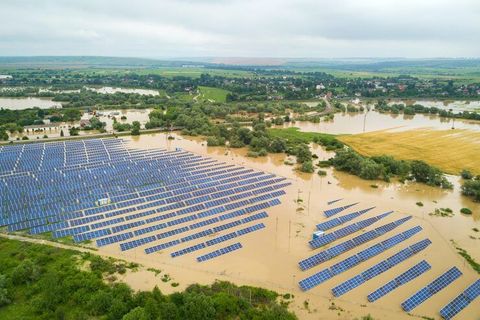
- Expansion of Renewable Integration: Many countries have increased solar and wind capacity, requiring grid upgrades to handle variable energy sources.
- Growth of Energy Storage Systems: Battery storage technologies are being deployed to stabilize grids and store excess renewable energy.
- Smart Grid Adoption: Utilities are implementing digital monitoring systems, smart meters, and AI-based demand forecasting tools.
- Decentralization Trends: Microgrids and distributed energy systems are gaining traction, especially in remote and disaster-prone areas.
- Cybersecurity Focus: With increased digitalization, protecting grid infrastructure from cyber threats has become a priority.
These updates highlight a transition from traditional centralized grids to more flexible, intelligent, and sustainable energy systems.
Comparison of Electric Grid Energy Systems
| Feature | Traditional Grid Systems | Smart Grid Systems | Renewable-Based Grid Systems | Hybrid Grid Systems |
|---|---|---|---|---|
| Energy Source | Fossil fuels (coal, gas) | Mixed sources | Solar, wind, hydro | Combination of renewable & fossil |
| Infrastructure | Centralized | Digitally enhanced | Distributed | Semi-distributed |
| Efficiency | Moderate | High | Variable (depends on source) | High |
| Reliability | Stable but aging infrastructure | Highly reliable with automation | Intermittent without storage | Balanced reliability |
| Environmental Impact | High emissions | Reduced emissions | Low emissions | Moderate to low |
| Cost (Long-Term) | Increasing due to fuel costs | Moderate with initial investment | Decreasing over time | Optimized cost |
| Scalability | Limited | High | High | Flexible |
| Technology Integration | Low | Advanced (AI, IoT) | Moderate | High |
Laws and Policies Impacting Electric Grid Systems
Electric grid energy systems are heavily influenced by national and regional regulations. Governments play a key role in shaping energy infrastructure through policies, incentives, and compliance standards.
Key Policy Areas
- Renewable Energy Targets: Many countries have set ambitious goals for renewable energy adoption, driving grid modernization.
- Subsidies and Incentives: Financial support for solar panels, wind farms, and energy storage systems encourages adoption.
- Grid Modernization Programs: Investments in smart grid technologies and digital infrastructure.
- Carbon Emission Regulations: Limits on emissions push utilities to transition away from fossil fuels.
- Energy Market Reforms: Open markets allow independent power producers to contribute to the grid.
Practical Guidance
- Urban Areas: Smart grids are ideal due to high demand and infrastructure availability.
- Rural or Remote Regions: Microgrids and renewable-based systems provide cost-effective solutions.
- Industrial Use: Hybrid systems offer reliability and cost optimization.
- Environment-Focused Regions: Renewable grids align with sustainability goals.
Tools and Resources
Several tools and platforms help analyze, manage, and optimize electric grid energy systems:
- Energy Modeling Software: Tools like HOMER simulate grid performance and renewable integration.
- Smart Meter Systems: Provide real-time energy usage data for consumers and utilities.
- Grid Monitoring Platforms: SCADA systems enable centralized control and monitoring.
- Renewable Calculators: Estimate solar or wind energy potential for specific locations.
- Government Energy Portals: Offer policy updates, incentives, and compliance guidelines.
- Data Analytics Tools: AI-based platforms predict demand and optimize energy distribution.
These resources support better decision-making and improve overall grid efficiency.
Frequently Asked Questions (FAQ)
What is the main difference between traditional and smart grids?
Traditional grids rely on centralized power generation and limited monitoring, while smart grids use digital technologies for real-time data, automation, and improved efficiency.
Why are renewable-based grids considered important?
They reduce carbon emissions, promote sustainability, and help countries meet climate goals, although they require storage solutions for reliability.
What is a hybrid grid system?
A hybrid grid combines multiple energy sources, such as renewable and fossil fuels, to ensure consistent and efficient power supply.
How do smart grids improve reliability?
They use sensors, automation, and predictive analytics to detect issues early and respond quickly, reducing outages.
Are electric grid upgrades expensive?
Initial costs can be high, especially for smart grid infrastructure, but long-term savings and efficiency gains often offset these investments.
Conclusion
Electric grid energy systems are undergoing a significant transformation driven by technological advancements and environmental priorities. Traditional grids, while reliable, face challenges related to efficiency and emissions. Smart grids offer enhanced performance through digital integration, while renewable-based systems provide sustainable energy solutions. Hybrid systems strike a balance by combining reliability with environmental benefits.
Data from global energy agencies consistently shows increasing investment in renewable integration and smart grid technologies, indicating a clear shift toward modernized energy infrastructure. The most suitable system depends on specific needs—urban areas benefit from smart grids, while rural regions may rely on decentralized renewable systems.
Overall, the future of electric grid energy systems lies in flexibility, sustainability, and intelligent management. A balanced approach that integrates technology and clean energy sources is the most practical and forward-looking solution.