Battery Cell Testing Equipment: Guide, Insights, Overview, Basics, and Practical Knowledge
Battery cell testing equipment refers to specialized systems and instruments used to evaluate the performance, safety, and reliability of battery cells. These tools measure critical parameters such as voltage, current, capacity, internal resistance, temperature behavior, and lifecycle performance. They are widely used in industries like electric vehicles (EVs), consumer electronics, renewable energy storage, and industrial power systems.
In recent years, this comparison has become increasingly important due to the rapid growth of lithium-ion batteries and emerging technologies like solid-state batteries. As global demand for energy storage rises—driven by electric mobility and renewable energy adoption—accurate testing has become essential to ensure safety, efficiency, and regulatory compliance.
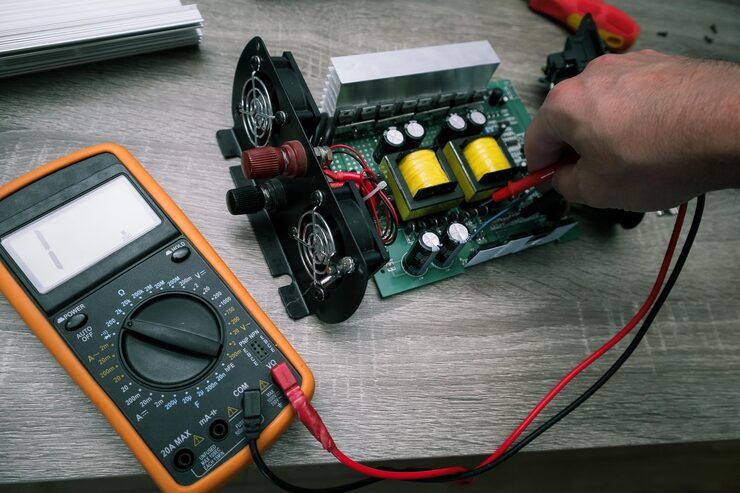
Technological trends such as fast charging, higher energy density, and longer battery life have also increased the complexity of testing requirements. Advanced testing equipment now integrates automation, data analytics, and AI-based diagnostics. These developments are reshaping how manufacturers and researchers validate battery performance while reducing risks such as overheating, degradation, and failure.
Who It Affects and What Problems It Solves
Battery cell testing equipment impacts a wide range of stakeholders. Manufacturers rely on it to maintain quality control and ensure consistency in production. Automotive companies use it extensively to validate EV battery packs under various conditions. Research institutions and universities depend on testing systems to develop next-generation battery chemistries. Even regulatory bodies indirectly rely on accurate testing data to set safety standards.
For businesses, poor battery performance can lead to product recalls, financial losses, and reputational damage. For consumers, unreliable batteries can cause device failures or safety hazards. In sectors like renewable energy, inaccurate battery performance can reduce system efficiency and increase operational costs.
Problems It Solves
- Safety Risks: Detects issues like thermal runaway, short circuits, and overcharging risks
- Performance Inconsistency: Ensures uniformity in battery production batches
- Lifecycle Prediction: Helps estimate battery lifespan through charge-discharge cycle testing
- Quality Control: Identifies defective cells before deployment
- Regulatory Compliance: Provides measurable data required for certifications
- Efficiency Optimization: Helps improve energy density and charging performance
Recent Updates and Trends
Over the past year, battery testing technologies have evolved significantly due to increased demand for high-performance energy storage systems.
- Shift Toward High-Precision Testing: As battery capacities increase, testing equipment now supports higher voltage and current ranges with improved accuracy.
- AI and Data Analytics Integration: Modern systems analyze large datasets to predict battery degradation patterns and optimize performance.
- Automation and Smart Labs: Automated testing setups reduce human error and increase throughput in manufacturing environments.
- Focus on Fast-Charging Validation: With fast-charging becoming mainstream, new testing protocols simulate real-world rapid charging conditions.
- Solid-State Battery Testing: Emerging battery types require new testing methodologies due to different chemical and thermal behaviors.
- Sustainability Metrics: Testing now includes environmental impact assessments, such as energy efficiency and recyclability.
Industry reports from 2025 highlight that battery testing demand is closely tied to EV adoption rates and grid-scale energy storage expansion, both of which continue to grow steadily.
Comparison of Battery Cell Testing Equipment
| Parameter | Battery Cyclers | Impedance Testers | Environmental Chambers | Safety Testing Systems |
|---|---|---|---|---|
| Primary Function | Charge/discharge cycling | Measure internal resistance | Simulate temperature/humidity | Test safety conditions |
| Key Metrics Measured | Capacity, efficiency, cycles | Impedance, resistance | Thermal performance | Overcharge, short-circuit |
| Use Case | Lifecycle testing | Performance diagnostics | Stress testing | Risk and safety validation |
| Accuracy Level | High | Very high | Moderate to high | High |
| Automation Capability | High | Moderate | Moderate | High |
| Industry Usage | EV, electronics, research | R&D labs, manufacturing | Automotive, aerospace | Compliance labs |
| Cost Range | Medium to high | Medium | High | High |
| Testing Duration | Long-term | Short-term | Medium to long | Scenario-based |
Key Insight
Each type of testing equipment serves a specific purpose. Battery cyclers are essential for long-term lifecycle analysis, while impedance testers provide quick diagnostics. Environmental chambers simulate real-world conditions, and safety systems ensure compliance with critical safety standards.
Laws or Policies and Practical Guidance
Battery testing equipment is closely regulated due to safety and environmental concerns. Different countries have established standards to ensure safe battery usage and disposal.
Key Regulations (India and Global Context)
- BIS Standards (India): The Bureau of Indian Standards defines safety and performance requirements for batteries used in electronics and EVs.
- UN 38.3 Certification: Mandatory for transporting lithium batteries, requiring rigorous testing under various conditions.
- IEC Standards (Global): International Electrotechnical Commission provides guidelines for battery safety, performance, and testing.
- Automotive Regulations: EV batteries must comply with safety testing protocols defined by automotive authorities.
Practical Guidance
- For Manufacturers: Use battery cyclers and safety testing systems to meet compliance standards before product release
- For Research Labs: Focus on impedance testing and environmental simulation to validate new battery chemistries
- For EV Companies: Invest in high-capacity testing systems capable of handling large battery packs
- For Small-Scale Users: Basic testing tools may suffice for quality checks, but safety testing should not be overlooked
Regulations are evolving as battery technologies advance, making it essential to stay updated with compliance requirements.
Tools and Resources
Here are some commonly used tools and resources related to battery cell testing:
Hardware Tools
- Battery cyclers for charge-discharge analysis
- Internal resistance testers
- Thermal imaging cameras for heat analysis
- Environmental chambers for stress testing
Software and Digital Tools
- Battery management system (BMS) simulators
- Data logging and analytics platforms
- Simulation software for battery modeling
- Lifecycle prediction tools
Online Resources
- Industry standards documentation (IEC, BIS)
- Research journals on battery technology
- Open-source battery simulation tools
- Government energy and EV policy portals
These tools help professionals analyze performance, ensure safety, and optimize battery design.
Frequently Asked Questions (FAQ)
What is battery cell testing equipment used for?
Battery cell testing equipment is used to evaluate performance, safety, and lifespan of battery cells by measuring parameters like voltage, capacity, and resistance.
Why is battery testing important in EVs?
It ensures battery safety, reliability, and efficiency, which are critical for vehicle performance and user safety.
What is the difference between a battery cycler and an impedance tester?
A battery cycler tests long-term performance through repeated charge-discharge cycles, while an impedance tester measures internal resistance for quick diagnostics.
How does temperature affect battery testing?
Temperature impacts battery efficiency, lifespan, and safety. Environmental chambers simulate extreme conditions to study these effects.
Are there regulations for battery testing?
Yes, standards like BIS, IEC, and UN 38.3 define testing requirements to ensure safety and compliance.
Conclusion
Battery cell testing equipment plays a critical role in ensuring the safety, performance, and reliability of modern energy storage systems. With the rapid expansion of electric vehicles and renewable energy solutions, the importance of accurate and efficient testing has grown significantly.
Data-driven insights show that combining multiple testing methods—such as lifecycle testing, impedance analysis, and environmental simulation—provides a more comprehensive understanding of battery behavior. No single tool is sufficient; instead, an integrated approach delivers the most reliable results.
For most applications, battery cyclers form the foundation of testing, while advanced systems like environmental chambers and safety testers are essential for high-risk or large-scale deployments. Organizations should choose equipment based on their specific use case, regulatory requirements, and long-term testing goals.
Ultimately, investing in the right testing equipment helps reduce risks, improve product quality, and support innovation in battery technology.