PVC Extrusion Process Explained: Discover Facts, Tips, and Expert Advice
PVC extrusion is a widely used manufacturing process in the plastic industry where raw Polyvinyl Chloride (PVC) material is melted and shaped into continuous profiles. These profiles can include pipes, window frames, cables, sheets, and other structural or decorative products.
PVC extrusion exists because industries need consistent, durable, and cost-efficient plastic products that can be produced in large volumes. PVC is widely valued for its strength, chemical resistance, and flexibility, making it suitable for many applications.
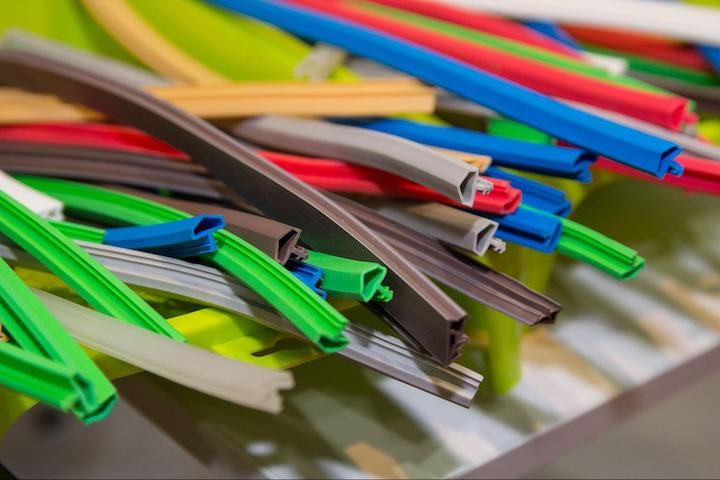
In simple terms, PVC extrusion is a process where raw material is fed into an extruder, heated until soft, and pushed through a mold (die) to create a specific shape. The shaped material is then cooled and cut into required lengths.
This process supports industries such as construction, electrical systems, packaging, and infrastructure, where standardized plastic components are essential.
Importance – Why PVC Extrusion Matters Today
PVC extrusion plays a key role in modern manufacturing due to its efficiency and adaptability. It helps industries produce high-quality products while reducing waste and operational costs.
For manufacturers, it ensures consistent output with minimal variation. For sectors like construction and infrastructure, it provides durable materials that resist corrosion and environmental damage.
Key Benefits of PVC Extrusion
- Supports large-scale production of uniform plastic products
- Reduces material waste through controlled processing
- Allows customization of shapes and sizes
- Produces long-lasting and corrosion-resistant materials
- Offers lightweight alternatives to traditional materials
Industries That Rely on PVC Extrusion
- Construction (pipes, fittings, window frames)
- Electrical (cable insulation and coverings)
- Automotive (interior trims and seals)
- Healthcare (tubing and fluid systems)
This process also helps solve issues such as corrosion, high maintenance costs, and the need for lightweight yet strong materials.
Recent Updates – Trends and Developments
The PVC extrusion industry is evolving with new technologies and sustainability practices. Manufacturers are focusing on improving efficiency while reducing environmental impact.
Key Trends in PVC Extrusion
- Use of energy-efficient extrusion machines
- Development of recyclable PVC materials
- Increased automation for precision and reduced human error
- Digital monitoring systems for temperature and pressure control
- Adoption of co-extrusion for multi-layer products
Traditional vs Modern Extrusion Practices
| Feature | Traditional Process | Modern Process |
|---|---|---|
| Energy Usage | Higher | Optimized and reduced |
| Quality Control | Manual checks | Automated monitoring systems |
| Material Efficiency | Moderate | High with minimal waste |
| Production Speed | Standard | Faster with advanced machinery |
| Sustainability | Limited focus | Strong emphasis on recycling |
These developments highlight a shift toward smarter and more sustainable manufacturing systems.
Laws or Policies – Regulatory Considerations
PVC extrusion processes are governed by regulations related to safety, environmental protection, and product standards. These rules ensure safe manufacturing and reliable product performance.
Common Regulatory Areas
- Environmental guidelines for emissions and waste management
- Safety standards for machinery operation and material handling
- Restrictions on certain additives in PVC production
- Quality standards for construction and infrastructure products
Manufacturers must comply with these regulations to maintain product quality and avoid operational or legal issues.
Tools and Resources – Systems and Technologies
Various tools and technologies support the PVC extrusion process, helping improve efficiency and product quality.
Common Equipment Used
- Extrusion machines with temperature and pressure control
- Dies and molds for shaping products
- Cooling systems such as water baths or air cooling
- Cutting and sizing equipment
Digital Tools and Software
- Process monitoring systems for real-time tracking
- Simulation tools for die design and material flow
- Maintenance management software
- Quality inspection systems for accuracy
Helpful Resources
- Industry manuals and technical guidelines
- Online calculation tools for production planning
- Training platforms for machine operation
- Engineering templates for extrusion design
PVC Extrusion Process Flow
| Step | Description |
|---|---|
| Material Feeding | Raw PVC is loaded into the hopper |
| Heating | Material is melted using controlled heat |
| Shaping | Melted PVC is pushed through a die |
| Cooling | Product is cooled to retain its shape |
| Cutting | Final product is cut into required lengths |
These tools and systems ensure consistent production, reduce errors, and enhance overall efficiency.
FAQs – Common Questions About PVC Extrusion
What is PVC extrusion used for?
PVC extrusion is used to produce pipes, profiles, sheets, tubing, and cable insulation. These products are widely used across construction, electrical, and industrial sectors.
How does the extrusion process work?
The process involves melting PVC and pushing it through a shaped die to create continuous products. The material is then cooled and cut into specific sizes.
What are the advantages of PVC extrusion?
It offers high efficiency, consistent quality, durability, and design flexibility. It is also suitable for large-scale production with minimal waste.
Is PVC extrusion environmentally safe?
Modern processes focus on recycling, reducing emissions, and using safer materials. Environmental impact depends on compliance with regulations and sustainable practices.
What affects product quality in extrusion?
Factors include temperature control, material quality, die design, and cooling methods. Proper monitoring ensures consistent output.
Conclusion
PVC extrusion remains a vital manufacturing process across multiple industries. Its ability to produce durable, lightweight, and customizable products makes it essential for modern production systems.
Advancements in machinery, automation, and sustainability have made the process more efficient and environmentally responsible. These improvements continue to shape the future of extrusion technology.