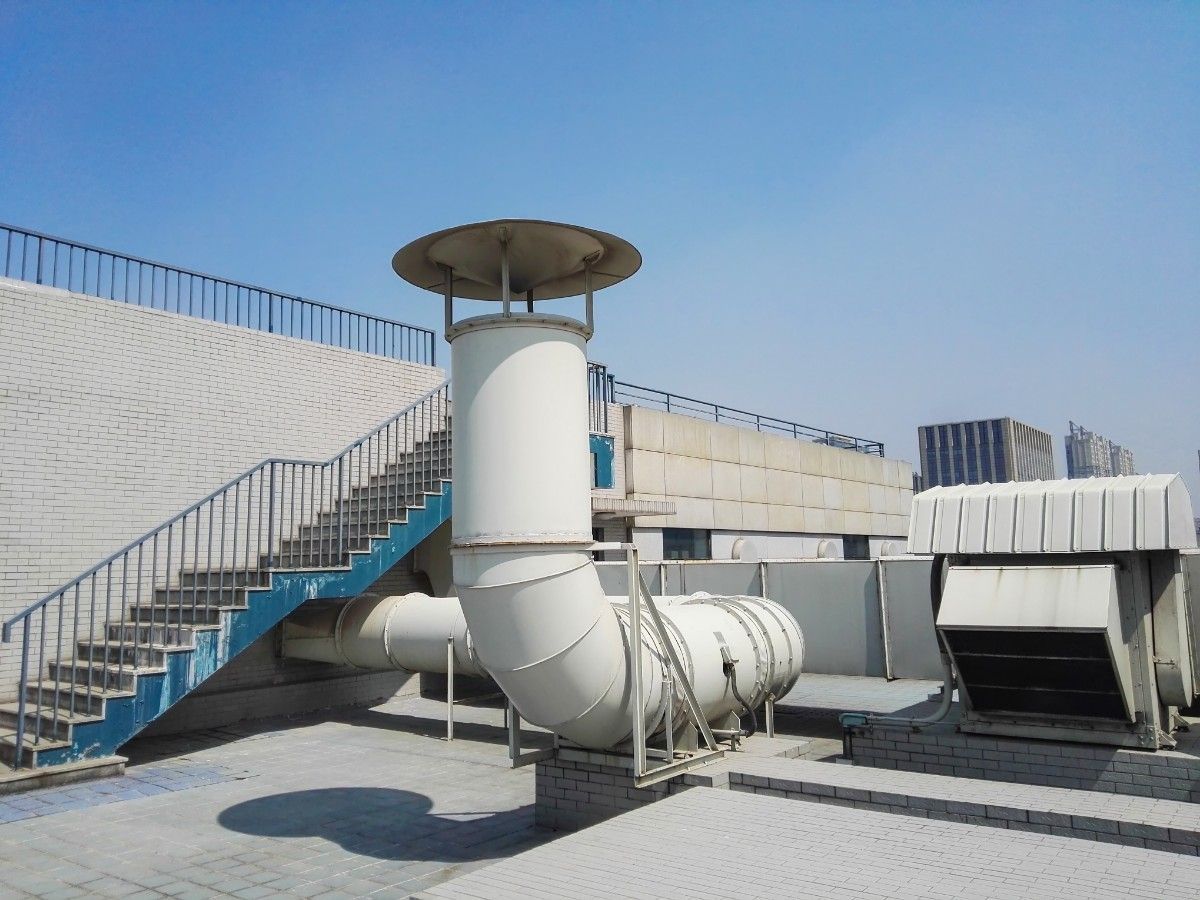
Importance: Why Industrial Ventilation Systems Matter Today
Industrial ventilation systems are critical because air quality directly impacts human health, safety, and operational efficiency. In industrial environments, poor ventilation can lead to the buildup of harmful substances, affecting both workers and equipment.
Why this topic matters:
-
Worker health and safety
Reduces exposure to dust, fumes, and chemical vapors
-
Operational efficiency
Prevents overheating and maintains stable working conditions
-
Environmental control
Manages humidity, temperature, and airborne contaminants
-
Equipment protection
Reduces corrosion and damage caused by polluted air
Who it impacts:
-
Industrial workers and technicians
-
Facility managers and safety officers
-
Engineers and system designers
-
Organizations focused on compliance and risk reduction
Industrial ventilation systems solve key challenges like contaminant buildup, heat stress, and poor air circulation, making them essential in modern industrial settings.
Recent Updates: Trends and Developments
Industrial ventilation systems have advanced with a focus on smart monitoring and energy efficiency.
Key developments include:
-
Smart sensors and real-time monitoring
Track airflow, temperature, and air quality continuously
-
Demand-controlled ventilation
Adjusts airflow based on real-time conditions
-
Energy-efficient system design
Reduces unnecessary air movement and power consumption
-
Improved filtration systems
Enhance removal of fine particles and contaminants
-
Simulation-based design tools
Predict airflow patterns and optimize layouts before installation
These innovations support better performance, reduced energy use, and improved indoor air quality.
Laws or Policies: Regulatory Framework
Industrial ventilation systems are governed by safety and environmental regulations.
Common regulatory areas:
-
Minimum ventilation rates for enclosed spaces
-
Control of airborne contaminants
-
Maintenance and inspection requirements
-
Monitoring and documentation of air quality
These regulations focus on prevention, ensuring safe working conditions and compliance with occupational standards.
Tools and Resources: Supporting System Design and Management
Various tools help professionals plan, monitor, and maintain ventilation systems effectively.
Useful tools include:
-
Airflow calculators for system sizing
-
Air quality monitoring instruments
-
Simulation software for airflow analysis
-
Maintenance checklists
-
Technical guidelines and standards
Tool Overview Table
| Tool Type | Purpose | Application |
|---|
| Airflow Calculator | Estimate air volume | System design |
| Particle Monitor | Measure contaminants | Exposure assessment |
| Simulation Software | Predict airflow patterns | Design optimization |
| Inspection Checklist | Track system condition | Preventive maintenance |
These tools enable data-driven decisions and improve system reliability.
System Components Overview
Industrial ventilation systems consist of interconnected components:
-
Air intake openings (fresh air supply)
-
Ductwork (air distribution)
-
Filters (contaminant removal)
-
Fans or blowers (air movement)
-
Exhaust outlets (removal of polluted air)
Proper coordination of these elements ensures effective airflow and system performance.
Performance Indicators
To evaluate system effectiveness, measurable indicators are used:
-
Air changes per hour (ACH)
-
Contaminant concentration levels
-
Temperature and humidity stability
-
Pressure balance across zones
These indicators help determine whether adjustments or maintenance are needed.
FAQs: Common Questions Answered
What is the main purpose of industrial ventilation?
To supply fresh air and remove contaminated air, heat, and moisture from industrial environments.
How is it different from residential ventilation?
Industrial systems handle larger volumes, higher pollutant levels, and more complex airflow patterns.
Does it improve energy efficiency?
Yes, when designed properly, it optimizes airflow and reduces unnecessary energy use.
How often should systems be checked?
Regular evaluation is recommended, especially after operational or layout changes.
Can it reduce health risks?
Yes, it significantly lowers exposure to airborne hazards and improves workplace safety.
Conclusion
Industrial ventilation systems are a fundamental part of safe and efficient industrial operations.
By controlling airflow and removing contaminants, they protect worker health, improve productivity, and ensure compliance with safety standards. With advancements in monitoring, energy efficiency, and system design, industrial ventilation continues to evolve as a key component of modern industrial infrastructure.