Guide to Ball Mill Machines: Working Mechanisms, Material Processing, and Technical Knowledge
Ball mill machines are widely used industrial devices designed for grinding and mixing materials into fine powders. The basic concept dates back to early mechanical processing methods, where rotating containers were used to break down solid materials through impact and friction. Over time, this simple idea evolved into more structured equipment used across mining, construction, and manufacturing industries.
A ball mill typically consists of a rotating cylindrical drum filled with grinding media such as steel balls or ceramic spheres. As the drum rotates, the materials inside are crushed and ground into smaller particles. This process is essential in transforming raw materials into usable forms for further processing.
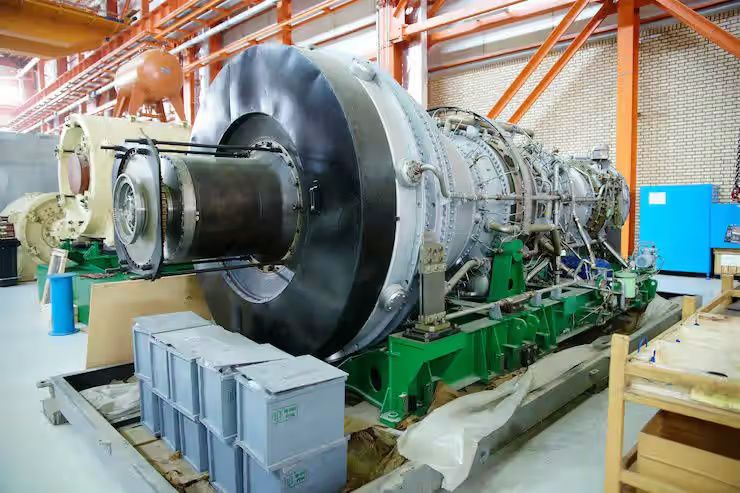
The development of ball mill machines has been closely tied to the growth of industries that rely on material refinement. From early manual techniques to modern automated systems, these machines have become a foundational part of material processing. Their design has adapted to handle different materials, ranging from minerals and ores to chemicals and ceramics.
Understanding how ball mill machines work helps explain their continued relevance. They are not limited to a single industry but serve as a versatile solution for reducing particle size and improving material consistency.
Importance
Ball mill machines play a significant role in modern material processing. Many industries depend on finely ground materials to produce consistent and reliable products. Without effective grinding equipment, it would be difficult to achieve the required material quality.
These machines are important for several reasons. First, they support efficient material processing by breaking down large particles into smaller, uniform sizes. Second, they help improve the physical and chemical properties of materials, which can influence how they behave in later stages of production.
Different sectors benefit from ball mill machines in various ways:
- Mining and mineral processing: crushing ores into fine powders for extraction
- Construction materials: preparing cement, lime, and aggregates
- Chemical processing: mixing and grinding compounds for industrial use
- Ceramics and glass: refining raw materials for smoother finishes
Another key aspect is consistency. Ball mill machines allow manufacturers to maintain uniform particle sizes, which is essential for product quality. Inconsistent materials can lead to performance issues in finished goods.
In addition, these machines contribute to resource efficiency. By improving grinding precision, they help reduce material waste and ensure that raw resources are used more effectively.
Recent Updates
Recent developments in ball mill machines have focused on improving efficiency, reducing energy consumption, and enhancing automation. Industries are increasingly adopting smarter systems that allow better monitoring and control of the grinding process.
One notable trend is the integration of digital monitoring tools. Sensors and control systems can track parameters such as temperature, rotation speed, and material load. This allows operators to make adjustments in real time, improving performance and reducing downtime.
Energy efficiency has also become a key focus. Modern designs aim to reduce power consumption while maintaining effective grinding. This includes improved drum designs, optimized grinding media, and better motor systems.
Another development is the use of advanced materials in construction. Components made from wear-resistant alloys or ceramics help extend the lifespan of ball mill machines. This reduces the need for frequent maintenance and improves reliability.
Automation is becoming more common as well. Automated feeding systems, discharge mechanisms, and control panels help streamline operations. This reduces manual intervention and supports consistent output.
Overall, the trend is toward more precise, efficient, and adaptable machines that can meet the evolving demands of different industries.
Laws or Policies
The use and operation of ball mill machines are influenced by various safety and environmental regulations. These rules aim to protect workers, reduce environmental impact, and ensure responsible industrial practices.
In many countries, workplace safety regulations require proper handling and operation of heavy machinery. This includes:
- Ensuring machine guards and protective systems are in place
- Providing training for operators
- Following maintenance and inspection schedules
Environmental policies also play a role. Grinding processes can generate dust and noise, which must be controlled to minimize impact on surrounding areas. Regulations may require the use of dust collection systems and noise reduction measures.
Energy efficiency standards are another consideration. Governments and regulatory bodies encourage industries to adopt equipment that uses energy more efficiently. This helps reduce overall resource consumption and environmental impact.
Additionally, waste management rules may apply when processing certain materials. Proper disposal or recycling of byproducts is often required to comply with environmental guidelines.
Understanding these regulations helps ensure that ball mill machines are used responsibly and safely within industrial settings.
Tools and Resources
Several tools and resources are available to support the effective use and understanding of ball mill machines. These resources help operators, engineers, and learners gain better insights into material processing.
Common tools include:
- Calculation tools: used to estimate grinding capacity, energy usage, and material output
- Simulation software: helps visualize how materials behave inside a rotating drum
- Technical manuals: provide detailed instructions on operation and maintenance
- Online learning platforms: offer educational content on industrial machinery and processing techniques
In addition, some platforms provide interactive models that explain working mechanisms. These can be useful for beginners who want to understand how ball mill machines function without direct exposure to industrial environments.
A basic comparison of different types of ball mill machines can help clarify their uses:
| Type of Ball Mill | Typical Use Case | Key Feature |
|---|---|---|
| Horizontal Ball Mill | General material grinding | Rotates on a horizontal axis |
| Vertical Ball Mill | Fine grinding applications | Compact design |
| Planetary Ball Mill | Laboratory research | High-energy grinding |
| Continuous Ball Mill | Large-scale processing | Operates without interruption |
| Batch Ball Mill | Small-scale operations | Processes materials in batches |
These tools and resources contribute to better understanding and more efficient operation of ball mill machines across different applications.
FAQs
What is a ball mill machine and how does it work?
A ball mill machine is a rotating cylindrical device used to grind materials into fine powders. It works by rotating a drum filled with grinding media, which crushes materials through impact and friction.
What materials can be processed using ball mill machines?
Ball mill machines can process a wide range of materials, including minerals, ores, chemicals, ceramics, and construction materials. The type of grinding media and machine design may vary depending on the material.
Why are ball mill machines important in material processing?
Ball mill machines are important because they help achieve uniform particle sizes, improve material properties, and support efficient production processes across multiple industries.
What are the main components of a ball mill machine?
The main components include the rotating drum, grinding media, motor, and support structure. Additional parts such as liners and control systems may also be included.
How do modern ball mill machines improve efficiency?
Modern ball mill machines use advanced designs, digital monitoring systems, and energy-efficient components. These improvements help reduce energy use, enhance precision, and support consistent performance.
Conclusion
Ball mill machines are essential tools in material processing, with applications across multiple industries. Their ability to grind and refine materials makes them a key part of many production systems. Over time, advancements in design and technology have improved their efficiency and reliability. Regulations and safety standards also play an important role in their operation. Understanding their working mechanisms and uses provides a clearer view of their role in modern industry.