Exploring Smart Wearable Glasses: How AI-Powered Eyewear Is Transforming Daily Life
Smart wearable glasses are a type of digital eyewear that combines traditional lenses with advanced computing features. These devices often include cameras, microphones, speakers, and small displays built into the frame. When paired with artificial intelligence, they can process information in real time and present it directly to the user.
The idea of wearable technology has evolved over decades, starting with simple devices like digital watches and fitness trackers. As technology improved, developers began exploring ways to integrate computing into everyday accessories. Smart wearable glasses emerged from this effort, aiming to provide hands-free access to information without interrupting daily activities.
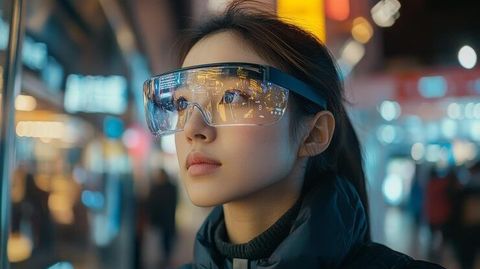
AI-powered eyewear builds on this concept by adding intelligent features such as voice recognition, object detection, and contextual assistance. These capabilities allow users to interact with their environment in new ways, making the technology relevant for both personal and professional use.
Importance
Smart wearable glasses are becoming more relevant as people look for seamless ways to interact with digital information. Unlike smartphones, which require manual input and visual attention, these glasses provide information in a more natural and less disruptive manner.
For everyday users, the technology can support tasks such as navigation, communication, and quick information lookup. For example, directions can appear directly in the user’s field of vision, reducing the need to check a phone repeatedly. This can be particularly helpful in situations where hands-free operation is important.
Several groups benefit from AI-powered eyewear:
- Individuals with visual or hearing challenges may use assistive features like real-time captions or object recognition
- Professionals in fields such as healthcare, engineering, and logistics can access data while keeping their hands available
- Travelers and commuters can receive navigation guidance and language translation without interrupting their movement
These devices address challenges related to multitasking, accessibility, and information overload. By integrating digital tools into a familiar form factor, they aim to simplify how people interact with technology in daily life.
Recent Updates
Recent developments in smart wearable glasses show a steady shift toward improved usability and broader adoption. Advances in artificial intelligence have made features like voice assistants and image recognition more accurate and responsive.
Manufacturers are focusing on lighter designs and longer battery life, making the devices more comfortable for extended use. Improvements in display technology have also enhanced clarity, allowing users to view information without significant distraction.
Some notable trends include:
- Integration with mobile ecosystems, allowing seamless connection with smartphones and other devices
- Enhanced privacy controls, such as indicator lights when cameras are active
- Expansion of augmented reality features, where digital elements are layered onto the real world
- Increased focus on accessibility tools, including speech-to-text and language translation
The overall trend suggests that AI-powered eyewear is moving from experimental technology toward practical everyday use. While adoption is still growing, ongoing innovation continues to shape how these devices are designed and used.
Laws or Policies
The development and use of smart wearable glasses are influenced by various laws and policies, particularly those related to privacy, data protection, and public safety.
In many countries, regulations focus on how data is collected, stored, and shared. Since these devices may include cameras and microphones, they can raise concerns about recording in public or private spaces. Users are generally expected to follow existing privacy laws, which may restrict recording without consent in certain situations.
Key regulatory considerations include:
- Data protection rules that govern how personal information is handled
- Restrictions on recording audio or video in sensitive environments
- Workplace policies that may limit the use of wearable devices in certain industries
- Road safety regulations that address the use of digital displays while driving
Governments and regulatory bodies continue to monitor the impact of wearable technology. As adoption increases, policies may evolve to address new challenges related to transparency, consent, and responsible use.
Tools and Resources
A range of tools and platforms support the use and development of smart wearable glasses. These resources help users understand the technology and enable developers to create new applications.
Common tools and resources include:
- Mobile companion apps that connect glasses to smartphones and manage settings
- Voice assistant platforms that enable hands-free interaction through natural language
- Augmented reality development kits used to create interactive visual experiences
- Accessibility tools that provide features like text recognition and audio feedback
- Online documentation and tutorials that explain how to use and customize the devices
The following table outlines common features found in AI-powered eyewear and their general purpose:
| Feature | Description | Everyday Use Example |
|---|---|---|
| Voice Commands | Allows control through spoken instructions | Sending messages or setting reminders |
| Augmented Display | Shows digital information in the user’s view | Navigation directions while walking |
| Camera Integration | Captures images or video | Recording moments or scanning objects |
| Audio Output | Provides sound through built-in speakers | Listening to notifications or calls |
| AI Assistance | Processes data and offers contextual insights | Identifying objects or translating text |
These tools and features contribute to the overall functionality of smart wearable glasses, making them adaptable to different user needs.
FAQs
What are smart wearable glasses and how do they work?
Smart wearable glasses are digital eyewear devices that combine sensors, displays, and connectivity features. They work by collecting data from the environment and using AI-powered systems to process and display relevant information to the user in real time.
How does AI-powered eyewear help in daily life?
AI-powered eyewear can assist with tasks such as navigation, communication, and information retrieval. Features like voice commands and real-time translation allow users to interact with technology without needing to use their hands.
Are smart wearable glasses safe to use in public?
The safety of smart wearable glasses depends on how they are used. Users should follow local laws related to privacy and recording. Many devices include indicators to show when cameras or microphones are active, helping promote transparency.
Can smart wearable glasses replace smartphones?
Smart wearable glasses are not designed to fully replace smartphones. Instead, they complement them by providing quick access to information and hands-free interaction. Most devices still rely on smartphones for connectivity and additional functionality.
What challenges do smart wearable glasses face?
Some common challenges include battery life limitations, privacy concerns, and user acceptance. Designers continue to address these issues through improved technology, clearer policies, and more user-friendly designs.
Conclusion
Smart wearable glasses represent a growing area of technology that blends digital tools with everyday accessories. By incorporating artificial intelligence, these devices provide new ways to access and interact with information. Their applications range from accessibility support to professional use, reflecting their versatility. As technology continues to evolve, smart wearable glasses are likely to become more integrated into daily routines, shaped by both innovation and regulation.