Agriculture Drone Sprayers: Comparison Guide, Tips, Insights, and Practical Knowledge
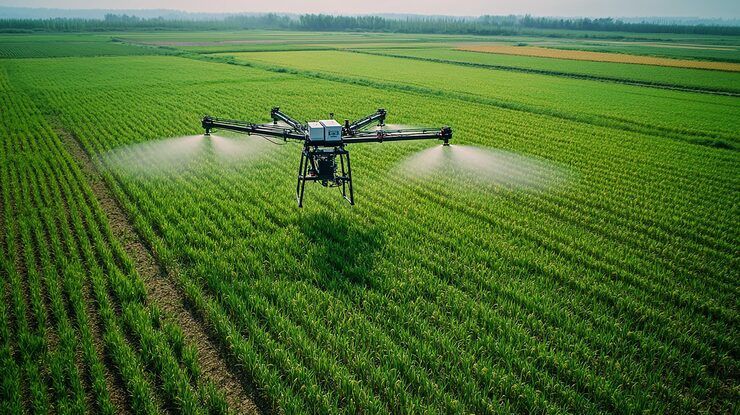
Agriculture drone sprayers are unmanned aerial systems (UAS) designed to apply fertilizers, pesticides, herbicides, and other crop protection solutions with precision. These drones use advanced technologies such as GPS mapping, sensors, and automated flight planning to spray crops efficiently while minimizing waste. Over the past few years, drone sprayers have shifted from experimental tools to practical solutions used in modern farming systems.
This comparison matters more than ever due to rising input costs, labor shortages, and the growing need for sustainable farming practices. Farmers are under pressure to increase productivity while reducing environmental impact. Drone sprayers offer targeted application, reduced chemical use, and time efficiency, making them increasingly relevant in precision agriculture.
Recent trends show rapid adoption in countries like India, the United States, and China. Government subsidies, digital agriculture initiatives, and advancements in battery technology have accelerated their use. Additionally, climate variability and unpredictable pest outbreaks have made quick-response spraying solutions more valuable. As a result, understanding how different drone sprayers compare is essential for informed decision-making.
Who It Affects and What Problems It Solves
Agriculture drone sprayers impact multiple stakeholders across the farming ecosystem. Small and large-scale farmers benefit from faster spraying operations and reduced dependency on manual labor. Agribusiness companies and service providers use drones to deliver spraying services to multiple farms, improving operational efficiency. Governments and agricultural agencies also benefit, as drone usage supports data-driven farming and improves resource management.
In regions where labor availability is limited or costly, drone sprayers provide a reliable alternative. They are particularly useful in difficult terrains such as hilly areas, waterlogged fields, or large plantations where traditional machinery struggles to operate effectively.
Problems It Solves
- Labor Shortage: Reduces dependence on manual spraying labor.
- Chemical Overuse: Enables precise spraying, minimizing wastage and environmental harm.
- Time Constraints: Covers large areas quickly, especially during critical crop stages.
- Health Risks: Reduces direct human exposure to harmful chemicals.
- Inefficiency in Traditional Methods: Improves uniformity and accuracy compared to manual or tractor-based spraying.
Recent Updates and Trends
The past year has seen notable developments in agriculture drone sprayers:
- Government Support in India (2024–2025): Increased subsidies under agricultural mechanization schemes have made drone adoption more accessible for farmers and cooperatives.
- Battery and Payload Improvements: Newer drones now offer higher payload capacities (10–40 liters) and longer flight times, improving efficiency per hectare.
- AI and Automation Integration: Advanced models now include AI-based crop analysis, enabling variable-rate spraying based on crop health.
- Service-Based Models: Instead of purchasing drones, many farmers now hire drone services, reducing upfront costs.
- Regulatory Simplification: Several countries have simplified drone operation rules, encouraging adoption while maintaining safety standards.
These trends indicate a shift toward scalable, data-driven agricultural practices supported by drone technology.
Comparison Table: Agriculture Drone Sprayers
| Feature | Entry-Level Drone Sprayers | Mid-Range Drone Sprayers | Advanced Drone Sprayers |
|---|---|---|---|
| Payload Capacity | 5–10 Liters | 10–25 Liters | 25–40 Liters |
| Coverage per Hour | 1–3 Hectares | 3–8 Hectares | 8–15 Hectares |
| Flight Time | 10–15 Minutes | 15–25 Minutes | 25–40 Minutes |
| Automation Level | Basic GPS | Semi-Automated | Fully Automated (AI) |
| Cost Range | Low | Medium | High |
| Best For | Small Farms | Medium Farms | Large Farms/Commercial |
| Maintenance Requirement | Low | Moderate | High |
| Precision Spraying | Moderate | High | Very High |
| Terrain Adaptability | Moderate | High | Very High |
This table highlights how drone sprayers differ based on scale, cost, and functionality. Choosing the right category depends on farm size, budget, and operational needs.
Laws and Policies
Agriculture drone sprayers are regulated to ensure safety, privacy, and responsible use. In India, drone operations are governed by the Directorate General of Civil Aviation (DGCA) under the Drone Rules.
Key Regulatory Aspects
- Drone Registration: All drones must be registered and assigned a unique identification number.
- Pilot Certification: Operators may need basic training or certification depending on drone category.
- Flight Restrictions: Drones cannot be flown in restricted or sensitive areas without permission.
- Height and Distance Limits: Operational limits are defined to ensure safe airspace usage.
- Subsidy Programs: Government schemes support farmers and startups adopting drone technology.
Practical Guidance
- Small Farmers: Consider service-based drone spraying to avoid compliance complexity.
- Cooperatives: Pool resources to invest in mid-range drones and trained operators.
- Large Farms: Invest in advanced drones with full regulatory compliance and trained personnel.
Understanding these rules is essential before adopting drone sprayers to avoid legal issues and ensure safe operations.
Tools and Resources
Several tools and resources support the effective use of agriculture drone sprayers:
Software and Apps
- Flight Planning Software: Helps map fields and automate spraying routes.
- Crop Monitoring Apps: Provides data on crop health using satellite or drone imagery.
- Weather Forecast Tools: Ensures optimal spraying conditions.
Platforms and Websites
- Government agriculture portals offering subsidy details and guidelines.
- Digital farming platforms providing insights on soil health and crop management.
Equipment and Accessories
- Spare batteries for extended operations.
- Calibration tools for accurate spraying.
- Protective storage and transport cases.
Training and Support
- Certified drone training institutes.
- Online tutorials and government training programs.
- Local agricultural extension services.
These resources help users maximize efficiency, maintain compliance, and improve overall outcomes.
Frequently Asked Questions (FAQ)
What is the main advantage of agriculture drone sprayers?
They provide precise and efficient spraying, reducing chemical use and saving time compared to traditional methods.
Are drone sprayers suitable for small farms?
Yes, especially through service providers, which allow small farmers to benefit without high investment costs.
How much area can a drone sprayer cover in a day?
Depending on the model, a drone can cover 10–50 hectares per day with multiple battery cycles.
Do drone sprayers require special training?
Basic training is recommended to ensure safe operation and compliance with regulations.
Are drone sprayers environmentally friendly?
Yes, they reduce chemical overuse and limit soil and water contamination through targeted application.
Conclusion
Agriculture drone sprayers represent a significant shift toward precision farming. Data and field studies indicate that these systems can reduce chemical usage by up to 20–30% while improving spraying efficiency and crop coverage. Their ability to operate quickly and accurately makes them particularly valuable during critical crop growth stages.
For small-scale farmers, service-based access is a practical entry point. Medium-sized farms benefit from mid-range drones that balance cost and performance. Large agricultural operations gain the most from advanced drones with AI-driven capabilities and higher payload capacities.
Overall, the choice depends on farm size, budget, and operational goals. However, the broader trend is clear: drone sprayers are becoming an essential tool in modern agriculture, offering measurable improvements in efficiency, sustainability, and productivity.