Explore Smart Lighting Controls: Guide, Tips, and Helpful Knowledge
Smart lighting controls refer to systems that allow lighting to be adjusted automatically or remotely using digital technologies. Instead of relying only on traditional wall switches, these systems use sensors, connected devices, and software to regulate lighting levels, schedules, and energy use.
The concept developed alongside advances in building automation and connected technology. As homes, offices, and public spaces adopted digital infrastructure, lighting systems also evolved to become more responsive and efficient. Smart lighting controls can include motion sensors, daylight sensors, timers, wireless switches, and mobile-based control interfaces.
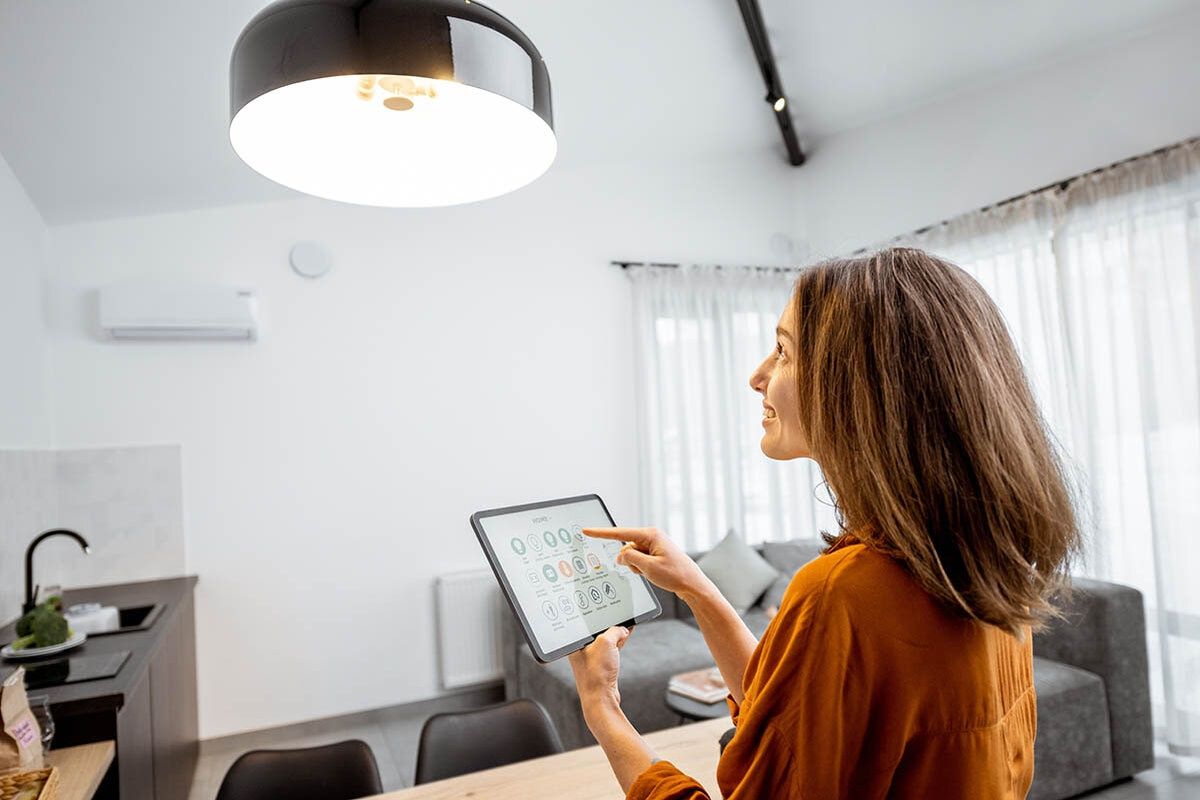
At their core, smart lighting control systems are designed to improve how lighting behaves within a space. Instead of relying on manual switches, these systems automatically adjust lighting based on environmental conditions, occupancy, or user preferences.
For example, lights can dim when natural daylight is available or turn off when a room is unoccupied. In large buildings, centralized platforms can manage hundreds of lighting fixtures simultaneously.
Smart lighting systems often rely on communication technologies such as wireless networks, automation platforms, or internet-based systems. These allow users or facility managers to monitor performance, adjust brightness, and create schedules remotely.
Common Types of Smart Lighting Controls
| Lighting Control Type | Primary Function | Typical Use Case |
|---|---|---|
| Motion Sensors | Detect occupancy and control lighting | Offices, hallways |
| Daylight Sensors | Adjust brightness based on sunlight | Commercial buildings |
| Timer Controls | Schedule lighting operation | Outdoor lighting |
| Mobile App Controls | Remote access and monitoring | Smart homes |
| Centralized Systems | Manage multiple zones | Large facilities |
These technologies represent a shift from static lighting systems to adaptive, responsive environments.
Why Smart Lighting Controls Matter Today
Lighting accounts for a significant portion of electricity usage in residential and commercial buildings. As energy efficiency becomes a global priority, smart lighting systems offer a practical way to reduce energy consumption.
Key benefits include:
- Reduced energy waste through automation
- Improved lighting comfort and flexibility
- Enhanced safety with automatic activation
- Support for sustainability and energy goals
- Better control over large-scale lighting systems
Traditional lighting systems often rely on manual operation, which can lead to unnecessary energy use. Smart controls solve this by automatically adjusting lighting based on real-time conditions.
They also improve user experience. Different lighting levels can be set for various activities—bright lighting for work and softer lighting for relaxation.
Traditional vs Smart Lighting
| Feature | Traditional Lighting | Smart Lighting |
|---|---|---|
| Operation | Manual switches | Automated/remote |
| Energy Efficiency | Limited | Optimized |
| Scheduling | Not available | Automated |
| Monitoring | None | Digital tracking |
| Integration | Standalone | Connected systems |
These advantages make smart lighting an important component of modern buildings and infrastructure.
Recent Developments and Technology Trends
Smart lighting technology continues to evolve alongside digital infrastructure and automation systems.
One major trend is the adoption of Matter-compatible devices, which improve interoperability between products from different manufacturers. This helps create more unified smart home and building ecosystems.
Another development is the integration of artificial intelligence into lighting systems. AI-enabled platforms can analyze usage patterns and automatically adjust lighting schedules based on occupancy behavior.
Research over the past year has also shown improved energy efficiency when combining occupancy sensors with daylight-responsive controls.
Key Trends in Smart Lighting
| Trend | Description | Impact |
|---|---|---|
| Matter Standard | Unified device communication | Better compatibility |
| AI-based automation | Learning user behavior | Smarter control |
| Sensor-based systems | Adaptive lighting | Energy savings |
| Cloud monitoring | Remote system management | Real-time insights |
| Wireless protocols | Low-power connectivity | Easy installation |
In addition, smart street lighting projects are being tested in urban environments. These systems may integrate with traffic monitoring, environmental sensors, and public safety infrastructure.
Regulations and Policy Influence
Smart lighting systems are influenced by building codes and energy efficiency standards that aim to reduce electricity consumption.
Common regulatory aspects include:
- Limits on lighting power usage
- Mandatory use of occupancy sensors in certain spaces
- Automatic shut-off requirements
- Daylight-responsive lighting near windows
Green building certification programs often recognize smart lighting as a key energy-saving feature. These systems help buildings meet sustainability goals without major structural changes.
Government programs and research initiatives also support pilot projects involving smart lighting in public infrastructure.
Tools and Resources for Smart Lighting Systems
Various tools help professionals design, analyze, and manage smart lighting systems.
Common resources include:
- Lighting design software for layout simulation
- Energy modeling tools for estimating savings
- Smart home apps for monitoring lighting systems
- Automation platforms for integrating sensors and schedules
- Educational platforms explaining lighting technologies
Resource Overview
| Resource Type | Function |
|---|---|
| Lighting Design Software | Simulate brightness and layout |
| Energy Calculators | Estimate energy savings |
| Smart Apps | Control and monitor devices |
| Automation Platforms | Integrate systems |
| Educational Resources | Learn concepts and standards |
These tools help translate theoretical knowledge into practical implementation.
Frequently Asked Questions
What is the main purpose of smart lighting controls?
Smart lighting controls automate and optimize lighting based on occupancy, daylight, or user preferences, improving efficiency and convenience.
How do motion sensors work?
Motion sensors detect movement using infrared or ultrasonic signals. Lights turn on when movement is detected and turn off after inactivity.
What is daylight harvesting?
Daylight harvesting uses sensors to measure natural light and adjust artificial lighting accordingly, maintaining consistent brightness.
Are smart lighting systems only for homes?
No. They are widely used in offices, schools, hospitals, industrial facilities, and public infrastructure.
Do smart lighting systems need internet?
Not always. Some operate locally, but internet connectivity enables remote control and cloud-based monitoring.
Conclusion
Smart lighting control systems represent a major advancement in building technology. By combining automation, sensors, and digital connectivity, they allow lighting to adapt to real-time conditions and user needs.
As energy efficiency and smart infrastructure continue to grow in importance, these systems are becoming a standard feature in both residential and commercial environments. Their ability to reduce energy consumption while improving comfort and flexibility makes them a key component of modern building design.