Discover Switchgear Testing Machines: Insights, Details, and Practical Tips
Switchgear testing machines are specialized electrical testing systems used to examine the performance, safety, and reliability of switchgear assemblies. Switchgear refers to the combination of electrical disconnects, circuit breakers, fuses, and protective devices that control, protect, and isolate electrical equipment in power systems.
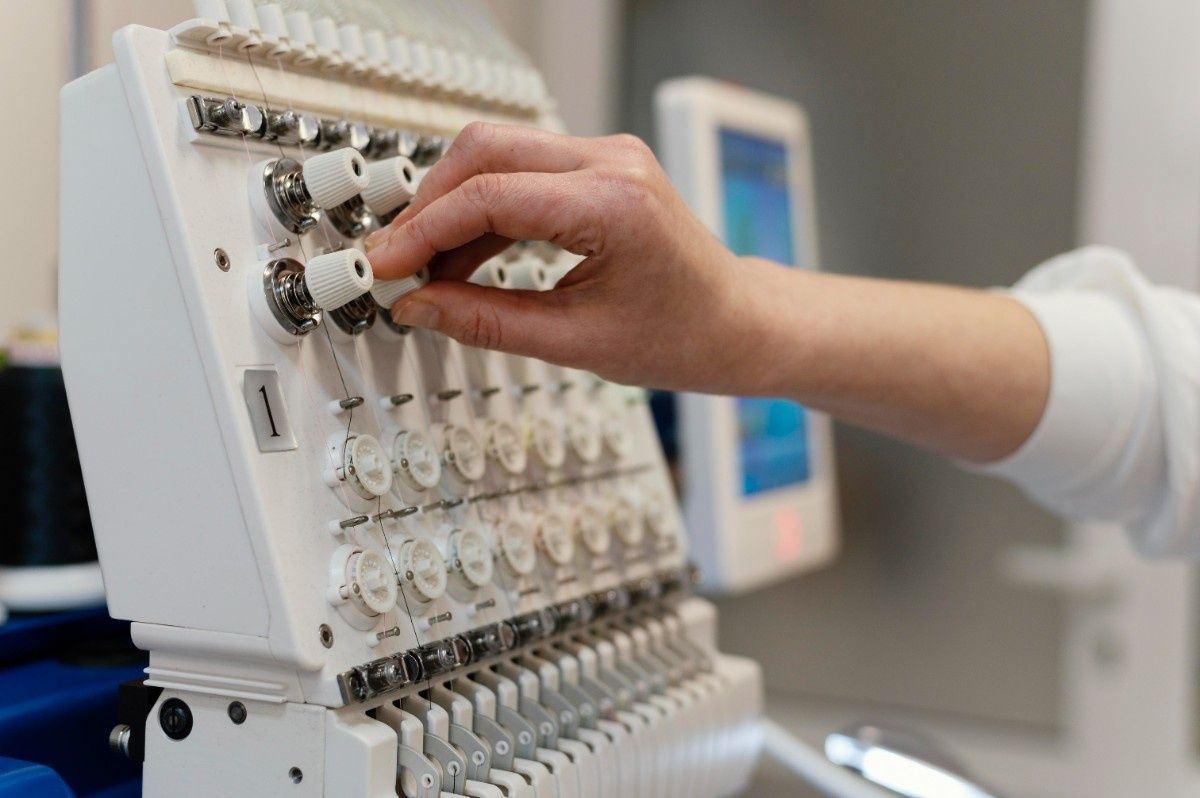
These machines exist because electrical networks operate under high voltage and current conditions. Even small defects in insulation, contacts, or control mechanisms can lead to faults, outages, or hazards. Testing machines simulate real operating conditions to verify that switchgear behaves as expected before installation and during its operational life.
At a basic level, switchgear testing machines help answer critical questions:
-
Can the switchgear safely handle normal and fault conditions?
-
Does it meet defined technical standards?
-
Will it perform reliably over time?
Without systematic testing, electrical infrastructure would face higher risks of failure, reduced reliability, and safety concerns.
Importance: Why Switchgear Testing Machines Matter Today
Switchgear testing machines are essential because modern electrical systems rely on safe and uninterrupted power distribution. From residential buildings to industrial plants and critical infrastructure, reliable switchgear ensures system stability and safety.
Why this topic matters:
-
Ensures electrical reliability
Prevents failures in power transmission and distribution -
Improves safety
Reduces risks to personnel and equipment -
Supports maintenance decisions
Provides measurable data for repairs and upgrades -
Detects early faults
Identifies insulation weaknesses and performance issues
Who it impacts:
- Power utilities and grid operators
- Industrial facilities with heavy electrical loads
- Infrastructure sectors like hospitals and transport systems
- Engineers and technicians responsible for safety
Switchgear testing machines help solve problems such as unexpected electrical faults, equipment failure, and unsafe operating conditions.
Recent Updates: Trends and Developments
Switchgear testing technology has advanced with improvements in precision, automation, and monitoring.
Key developments include:
-
Digital measurement systems
Provide higher accuracy and better data storage -
Automated test sequences
Reduce manual intervention and improve repeatability -
Condition-based testing
Supports predictive maintenance using real-time data -
Integration with monitoring systems
Works alongside sensors for continuous equipment assessment -
Support for eco-friendly switchgear
Compatible with modern insulating technologies
These trends reflect a shift toward smarter and more data-driven electrical maintenance practices.
Laws or Policies: Regulatory Influence
Switchgear testing machines are guided by electrical safety standards and technical regulations.
Common regulatory focus areas:
- Electrical safety and risk reduction
- Compliance with standardized testing procedures
- Verification of protection systems
- Documentation for audits and inspections
Organizations must demonstrate compliance through proper testing and reporting, ensuring reliable system operation.
Tools and Resources: Supporting Testing and Analysis
Various tools complement switchgear testing machines and improve analysis accuracy.
Common tools include:
- High-voltage test sets
- Circuit breaker analyzers
- Partial discharge measurement devices
- Thermal imaging cameras
- Digital reporting systems
Supporting resources:
- Technical standards and guidelines
- Manufacturer manuals
- Electrical safety documentation
- Training materials
Test Types Overview
| Test Category | Purpose | Outcome |
|---|---|---|
| Insulation Testing | Check dielectric strength | Detect insulation issues |
| Contact Resistance | Measure connection quality | Identify worn or loose contacts |
| Timing Analysis | Evaluate breaker operation | Ensure proper switching speed |
| Functional Testing | Validate control systems | Confirm correct performance |
Understanding Test Results
Effective interpretation of results requires analyzing trends over time rather than isolated readings.
Best practices:
- Compare with baseline values
- Track historical performance trends
- Combine electrical data with visual inspection
- Record environmental conditions during testing
This approach helps identify gradual degradation and prevent failures.
FAQs: Common Questions Answered
What is the main purpose of switchgear testing machines?
To verify safety, reliability, and performance of switchgear systems.
Are they used only before installation?
No. They are used during manufacturing, commissioning, maintenance, and after faults.
Do they replace visual inspection?
No. They complement visual checks by providing measurable data.
How often should testing be done?
It depends on system importance, usage conditions, and regulatory requirements.
What skills are required?
Knowledge of electrical systems, testing procedures, and data interpretation.
Conclusion
Switchgear testing machines are a critical part of modern electrical infrastructure.
They ensure that power systems operate safely, efficiently, and reliably by providing accurate testing and performance verification. With advancements in automation, monitoring, and data analysis, these machines continue to play a vital role in maintaining stable and secure electrical networks.