Fitness Tracking Devices Comparison: Guide, Tips, Insights, Advice, and Overview
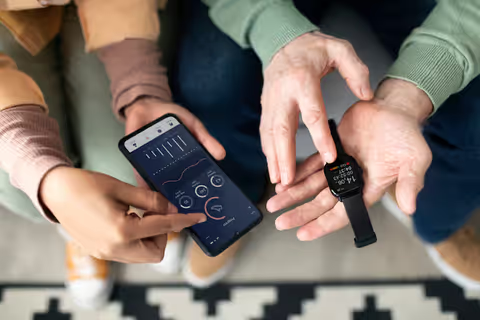
Fitness tracking devices are wearable technologies designed to monitor physical activity, health metrics, and lifestyle habits. These devices typically include fitness bands, smartwatches, and advanced health trackers that measure steps, heart rate, sleep quality, calories burned, and more. Over the past decade, these tools have evolved from simple pedometers into sophisticated health-monitoring systems powered by sensors, mobile apps, and cloud-based analytics.
This comparison matters today because of the growing focus on preventive healthcare and data-driven wellness. With rising lifestyle-related conditions such as obesity, cardiovascular disease, and stress, individuals are increasingly relying on real-time data to manage their health. The global adoption of wearable fitness technology has been fueled by improved affordability, smartphone integration, and growing awareness of personal health metrics.
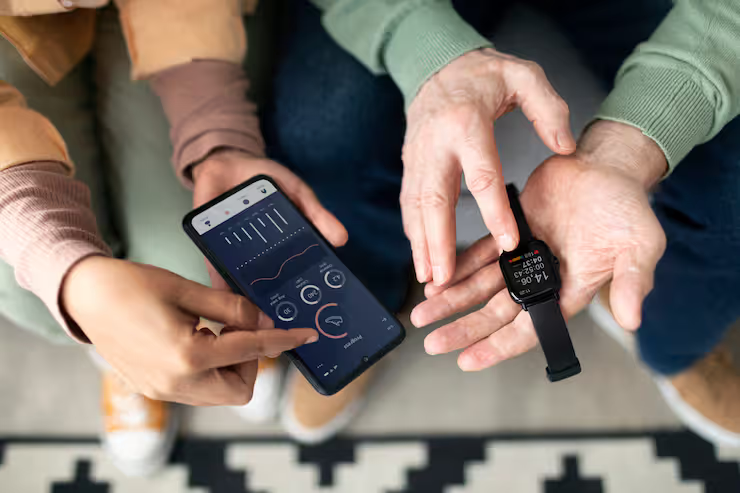
Recent trends show a shift toward multi-functional devices that combine fitness tracking with features like ECG monitoring, blood oxygen tracking, and AI-based health insights. The integration of wearable data into healthcare ecosystems is also expanding, allowing users and professionals to make more informed decisions. As a result, understanding the differences between various fitness tracking devices has become essential for both beginners and experienced users.
Who It Affects and What Problems It Solves
Fitness tracking devices affect a wide range of users, including beginners starting their fitness journey, athletes optimizing performance, and individuals managing chronic health conditions. They are also used by healthcare professionals, corporate wellness programs, and insurance providers aiming to promote healthier lifestyles.
For beginners, these devices simplify fitness tracking by providing easy-to-understand metrics such as daily step count and activity levels. For advanced users, they offer deeper insights like heart rate variability, VO2 max estimation, and recovery tracking. Meanwhile, older adults and patients benefit from features such as fall detection, irregular heart rhythm alerts, and sleep monitoring.
Problems These Devices Solve
- Lack of awareness: Many people underestimate or overestimate their physical activity. Fitness trackers provide accurate data to bridge this gap.
- Inconsistent habits: Regular reminders and goal tracking encourage consistency in workouts and daily movement.
- Health monitoring limitations: Continuous tracking helps detect patterns that may indicate health issues early.
- Motivation challenges: Gamification, achievements, and progress tracking improve user engagement.
- Data fragmentation: Centralized apps consolidate fitness, sleep, and health metrics in one place for better analysis.
Recent Updates and Trends
Over the past year, the fitness tracking industry has seen several notable developments:
- Advanced Health Sensors: Newer devices now include skin temperature tracking, stress monitoring, and improved sleep analysis using AI algorithms.
- Medical-Grade Features Expansion: Some wearables are incorporating ECG and blood oxygen (SpO2) monitoring with higher accuracy, though still not replacements for clinical tools.
- AI and Predictive Insights: Devices are increasingly using machine learning to provide personalized recommendations, such as recovery time and optimal workout intensity.
- Battery Efficiency Improvements: Manufacturers are focusing on longer battery life, especially in fitness bands that can last up to 1–2 weeks.
- Integration with Health Platforms: Fitness trackers now sync with broader health ecosystems, enabling data sharing with healthcare providers in certain regions.
- Privacy Enhancements: With increased concerns about personal health data, companies are strengthening encryption and user control over data sharing.
These trends highlight a shift from simple activity tracking to holistic health management systems.
Comparison Table of Fitness Tracking Devices
| Feature | Fitness Bands | Smartwatches | Advanced Health Trackers |
|---|---|---|---|
| Primary Use | Basic fitness tracking | Multi-purpose (fitness + smart) | Health-focused monitoring |
| Display | Small, minimal | Large, interactive | Medium to large |
| Battery Life | 5–14 days | 1–3 days | 5–10 days |
| Health Metrics | Steps, calories, heart rate | + ECG, SpO2, GPS | + advanced health analytics |
| Price Range | Low | Medium to high | High |
| Ease of Use | Beginner-friendly | Moderate | Moderate to advanced |
| App Integration | Basic | Extensive | Advanced |
| Accuracy Level | Moderate | High | Very high (relative) |
| Target Users | Beginners | General users | Health-conscious users |
Laws or Policies Affecting Fitness Tracking Devices
Fitness tracking devices are influenced by data protection laws, medical device regulations, and digital health policies. While most consumer wearables are not classified as medical devices, certain features—such as ECG monitoring—may fall under stricter regulatory frameworks depending on the country.
Key Regulatory Considerations
- Data Privacy Laws: Regulations like India’s Digital Personal Data Protection Act (DPDP) emphasize user consent, data security, and transparency in how personal health data is collected and used.
- Medical Certification: Devices offering diagnostic-like features may require approval from regulatory bodies (such as CDSCO in India or FDA in the US).
- Cross-border Data Transfer: Many fitness apps store data on global servers, which must comply with international data transfer regulations.
- User Consent and Transparency: Companies must clearly inform users about what data is collected and how it is processed.
Practical Guidance
- Use devices with clear privacy policies and user-controlled data sharing options.
- Avoid relying solely on wearable data for medical diagnosis.
- Choose devices compliant with regional regulations if using advanced health features.
Tools and Resources
Several tools and platforms complement fitness tracking devices, enhancing their usefulness:
- Mobile Apps: Manufacturer apps (e.g., Fitbit app, Apple Health, Google Fit) provide dashboards and insights.
- Health Aggregators: Platforms that combine data from multiple devices for a unified view.
- Workout Planning Apps: Apps offering guided workouts and training plans synced with wearables.
- Sleep Analysis Tools: Advanced apps that interpret sleep stages and provide recommendations.
- Calorie Tracking Apps: Tools for monitoring diet alongside activity levels.
- Online Communities: Forums and groups where users share experiences and tips.
- Data Export Tools: Allow users to download and analyze their health data independently.
These resources help users move beyond raw data toward actionable insights.
Frequently Asked Questions (FAQ)
What is the difference between a fitness band and a smartwatch?
Fitness bands focus on basic tracking like steps and heart rate, while smartwatches offer additional features such as apps, notifications, and advanced health metrics.
Are fitness tracking devices accurate?
Most modern devices provide reasonably accurate data for general fitness purposes, though results may vary depending on the sensor and usage conditions.
Can fitness trackers replace medical devices?
No, they are not substitutes for medical-grade equipment. They are best used for general monitoring and lifestyle improvement.
How often should I wear a fitness tracker?
For consistent insights, it is recommended to wear the device daily, including during sleep if sleep tracking is a feature.
Is my data safe on fitness tracking apps?
Most reputable brands use encryption and privacy controls, but users should review privacy settings and permissions carefully.
Conclusion
Fitness tracking devices have evolved into powerful tools for monitoring health and improving lifestyle habits. Data shows that consistent tracking can increase physical activity awareness and encourage healthier behaviors over time. While fitness bands offer simplicity and long battery life, smartwatches provide versatility, and advanced trackers deliver deeper health insights.
The best choice depends on individual needs: beginners may benefit from basic trackers, while users seeking comprehensive health monitoring may prefer advanced devices. From a data-driven perspective, the value of these devices lies not just in collecting information but in using that data to make informed decisions.
Ultimately, fitness tracking devices are most effective when combined with consistent habits, realistic goals, and an understanding of their limitations.