A Complete Guide to Electric Delivery Vehicles: Tips, Details, and Information
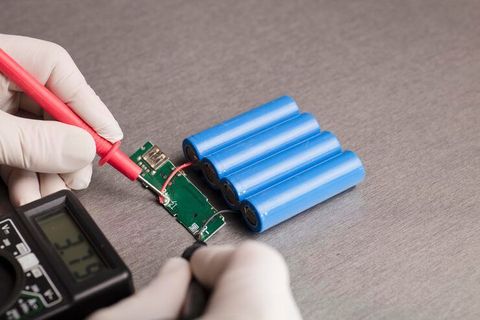
Electric delivery vehicles are road vehicles powered by electricity rather than traditional fuels like petrol or diesel. They are part of a broader shift toward electric mobility, which began gaining attention as concerns about air pollution, fuel dependency, and environmental impact increased. Advances in battery technology and charging systems have made these vehicles more practical for daily logistics and transport needs.
These vehicles are commonly used for transporting goods within cities and between nearby regions. They include electric vans, small cargo three-wheelers, and larger trucks designed for distribution. Businesses and public systems are gradually integrating electric delivery vehicles into their operations to support cleaner and more efficient transportation.
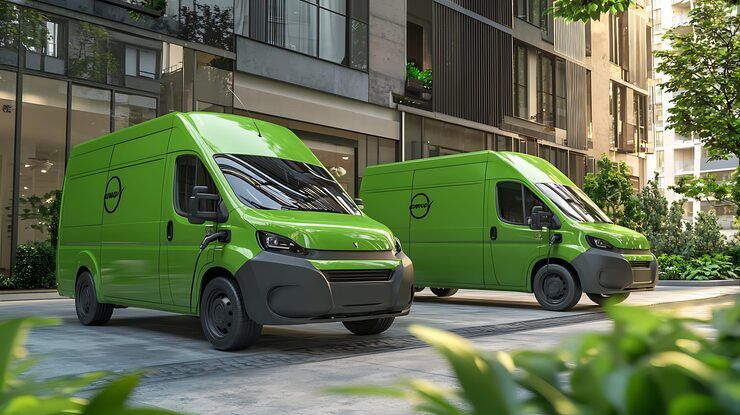
The concept has evolved alongside urban growth and e-commerce expansion. As delivery demand increases, the need for quieter, lower-emission vehicles becomes more relevant. Electric delivery vehicles address this need by offering an alternative that aligns with modern sustainability goals.
Importance
Electric delivery vehicles play a growing role in addressing challenges related to urban transport and environmental impact. Cities often face issues such as traffic congestion, air pollution, and noise levels. Electric vehicles can help reduce emissions and operate more quietly, making them suitable for densely populated areas.
These vehicles affect multiple groups, including businesses, delivery workers, urban planners, and residents. For logistics operations, they support more efficient last-mile delivery. For communities, they contribute to improved air quality and reduced noise pollution.
Some key areas where electric delivery vehicles make a difference include:
- Environmental impact: Reduced greenhouse gas emissions compared to traditional fuel vehicles
- Urban efficiency: Better suitability for short-distance and frequent-stop routes
- Noise reduction: Lower sound levels, especially in residential areas
- Energy diversification: Reduced dependence on fossil fuels
In addition, the increasing demand for online shopping has created a need for more delivery vehicles. Electric delivery vehicles help meet this demand while aligning with environmental goals.
Recent Updates
From 2024 to 2026, the electric delivery vehicle sector has seen steady progress in technology and adoption. Battery efficiency has improved, allowing vehicles to travel longer distances on a single charge. Charging infrastructure has also expanded in many regions, making daily operations more practical.
Manufacturers have introduced a wider range of vehicle types, including compact delivery vans and medium-duty trucks. These models are designed to meet different logistics needs, from small parcel deliveries to bulk transportation.
Another trend is the integration of digital tools and telematics systems. These systems help monitor vehicle performance, battery usage, and route efficiency. Fleet operators can use this data to improve planning and reduce downtime.
Urban policies have also encouraged the use of electric delivery vehicles. Some cities are introducing low-emission zones, where traditional fuel vehicles face restrictions. This shift supports the gradual transition toward electric mobility.
Laws or Policies
Government policies play a significant role in shaping the adoption of electric delivery vehicles. In India, several initiatives aim to promote electric mobility and reduce emissions from transportation.
One key program is the Faster Adoption and Manufacturing of Electric Vehicles (FAME) scheme. This initiative supports the use of electric vehicles by providing incentives for adoption and encouraging domestic manufacturing.
Other regulatory aspects include:
- Vehicle standards: Electric vehicles must meet safety and performance guidelines set by regulatory authorities
- Battery regulations: Rules govern battery disposal, recycling, and safety
- Registration policies: Electric vehicles may have simplified registration processes in some regions
- Urban transport policies: Some cities promote electric vehicles through dedicated zones or infrastructure planning
State governments may also introduce additional policies, such as support for charging infrastructure or reduced registration fees. These measures aim to create a supportive environment for electric delivery vehicles.
Tools and Resources
Several tools and resources can help individuals and organizations understand and manage electric delivery vehicles more effectively. These tools support planning, monitoring, and decision-making.
Commonly used tools include:
- Range calculators: Estimate how far a vehicle can travel based on battery capacity and load
- Charging station locators: Identify nearby charging points for route planning
- Fleet management software: Track vehicle performance, routes, and energy usage
- Telematics systems: Provide real-time data on battery health and driving patterns
Below is a simple comparison table showing general features of electric delivery vehicles versus traditional fuel vehicles:
| Feature | Electric Delivery Vehicles | Traditional Fuel Vehicles |
|---|---|---|
| Energy Source | Electricity | Petrol/Diesel |
| Emissions | Low or zero tailpipe | Higher emissions |
| Noise Levels | Lower | Higher |
| Maintenance Complexity | Fewer moving parts | More mechanical parts |
| Refueling/Charging Method | Charging stations | Fuel stations |
| Urban Suitability | High | Moderate |
These tools and comparisons help users better understand operational differences and plan accordingly.
FAQs
What are electric delivery vehicles and how do they work?
Electric delivery vehicles are transport vehicles powered by electric motors and rechargeable batteries. They store energy in batteries and use it to drive the motor, which moves the vehicle without relying on traditional fuel combustion.
Are electric delivery vehicles suitable for long-distance transport?
They are generally more suitable for short to medium distances, especially in urban areas. However, improvements in battery technology are gradually increasing their range, making them more adaptable for longer routes.
How long does it take to charge electric delivery vehicles?
Charging time depends on the battery size and charger type. Standard charging may take several hours, while fast charging can significantly reduce this time under suitable conditions.
What factors affect the performance of electric delivery vehicles?
Performance can be influenced by battery capacity, load weight, driving conditions, and temperature. Efficient route planning and proper maintenance can help improve overall performance.
Why are electric delivery vehicles important for cities?
They help reduce air pollution and noise levels, making urban environments more sustainable. Their efficiency in short-distance deliveries also supports the growing demand for goods transportation in cities.
Conclusion
Electric delivery vehicles represent an important shift in how goods are transported, especially in urban environments. They address challenges related to emissions, noise, and energy use while supporting modern delivery needs. Advances in technology and supportive policies are contributing to their wider adoption. As infrastructure and awareness continue to grow, these vehicles are becoming a more common part of everyday logistics systems.