YiPPee Noodles Guide: Recipe, Ingredients, Nutrition & Taste Review
YiPPee noodles are a popular type of instant noodles designed for quick preparation and convenience. They are widely consumed in households due to their ease of cooking, long shelf life, and familiar flavor profiles. The concept of instant noodles emerged to address the need for fast, affordable meals that require minimal cooking skills and time.
In the context of modern lifestyles, instant noodles—including YiPPee masala noodles—serve as a practical solution for students, working professionals, and families looking for quick meal options. The product typically includes dried noodles and a seasoning mix, allowing users to prepare a dish in just a few minutes.
A basic yippee noodles recipe usually involves boiling the noodles, adding the tastemaker (masala), and cooking until the water is absorbed. Some variations include adding vegetables, eggs, or sauces to enhance nutritional value and taste.
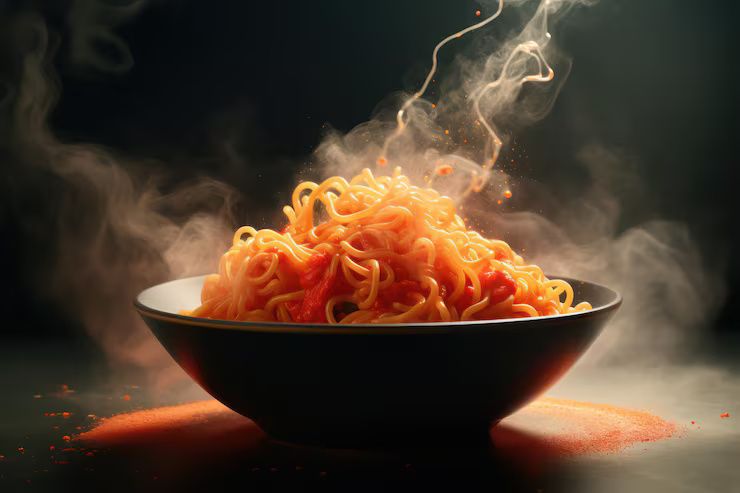
Simple Instant Noodles Recipe (Basic Method):
-
Boil 1.5–2 cups of water
-
Add noodles and cook for 2–3 minutes
-
Add tastemaker or seasoning
-
Stir well until evenly mixed
-
Serve hot
This straightforward preparation method is one reason why instant noodles remain widely used across different age groups.
Why YiPPee Noodles Matter Today
The growing demand for convenience foods has increased the relevance of instant noodles in daily diets. Urbanization, busy schedules, and changing food habits have made quick meal options more essential than ever.
YiPPee noodles address several practical needs:
-
Time efficiency: Quick preparation reduces cooking time
-
Accessibility: Easily available across urban and rural areas
-
Consistency: Standardized taste and quality
-
Adaptability: Can be customized with vegetables or protein
From a broader perspective, instant noodles also play a role in food security during emergencies or situations where cooking resources are limited. They provide a shelf-stable option that requires minimal ingredients.
However, concerns related to nutrition and processed foods have also increased awareness among consumers. People are now more interested in understanding yippee noodles ingredients and evaluating yippee noodles nutrition before including them regularly in their diet.
Recent Developments and Trends
In the past year, several trends have influenced the instant noodles category, including YiPPee noodles:
Health-Conscious Variants (2025–2026):
Manufacturers have introduced options with whole wheat, multigrain, and reduced sodium content. These changes aim to align with increasing consumer demand for healthier packaged foods.
Clean Label Movement:
There has been a noticeable shift toward transparency in ingredient labeling. Consumers are paying closer attention to additives, preservatives, and flavor enhancers.
Flavor Innovation:
New variants and regional flavors have been introduced to cater to diverse taste preferences. This includes fusion flavors and spicier masala blends.
Sustainability Efforts:
Packaging innovations, including recyclable materials, have gained attention as companies respond to environmental concerns.
Digital Engagement:
Online recipe sharing and user-generated content have expanded the ways people explore instant noodles recipes. Many users now experiment with customized yippee masala noodles recipes at home.
These trends indicate a gradual shift from purely convenience-based consumption toward more informed and selective choices.
Regulatory Environment and Food Safety Policies
Instant noodles, including YiPPee noodles, are subject to food safety regulations in India. These regulations are designed to ensure product quality, safe consumption, and accurate labeling.
Key Regulatory Aspects:
-
Food Safety Standards:
Governed by the Food Safety and Standards Authority of India (FSSAI), which sets limits on additives, contaminants, and labeling requirements. -
Ingredient Transparency:
Manufacturers must clearly list all ingredients, including flavor enhancers and preservatives, on packaging. -
Nutritional Labeling:
Nutritional values such as calories, protein, fats, and sodium must be disclosed per serving. -
Quality Checks:
Regular inspections and testing ensure compliance with safety standards. -
Advertising Guidelines:
Claims related to health, nutrition, or benefits must be accurate and not misleading.
These policies help consumers make informed decisions while maintaining trust in packaged food products.
Ingredients and Nutritional Overview
Understanding yippee noodles ingredients and nutrition can help consumers assess their dietary impact.
Common Ingredients in YiPPee Noodles:
-
Refined wheat flour (maida)
-
Edible vegetable oil
-
Salt
-
Seasoning mix (spices, flavor enhancers)
-
Dehydrated vegetables
-
Stabilizers and additives
Approximate Nutritional Breakdown (Per Serving):
| Nutrient | Typical Value |
|---|---|
| Calories | 300–350 kcal |
| Carbohydrates | 40–45 g |
| Protein | 6–8 g |
| Total Fat | 12–15 g |
| Sodium | 800–1200 mg |
Nutritional Interpretation:
-
High in carbohydrates, providing quick energy
-
Moderate fat content due to frying process
-
Sodium levels can be relatively high
-
Limited fiber unless fortified or combined with vegetables
To improve nutritional balance, users often modify their instant noodles recipe by adding:
-
Fresh vegetables (carrots, peas, capsicum)
-
Protein sources (eggs, paneer, tofu)
-
Herbs and spices for flavor enhancement
Taste Review and Consumer Perception
A yippee noodles review typically focuses on taste, texture, and overall eating experience.
Taste Profile:
-
Mild to moderately spicy
-
Balanced masala flavor
-
Slight sweetness compared to some competitors
Texture:
-
Non-sticky noodles due to round block design
-
Smooth and soft after cooking
User Feedback Trends:
-
Preferred for consistent texture
-
Appreciated for easy separation of strands
-
Considered suitable for children due to milder spice
Comparison Overview:
| Aspect | YiPPee Noodles | Typical Instant Noodles |
|---|---|---|
| Texture | Non-sticky | Slightly sticky |
| Flavor Intensity | Mild | Medium to strong |
| Cooking Ease | Simple | Simple |
| Customization | Flexible | Flexible |
Taste preferences can vary widely, so individual experience may differ depending on preparation style and added ingredients.
Helpful Tools and Resources for Better Cooking
Several tools and resources can enhance the experience of preparing and evaluating instant noodles:
-
Nutrition Tracking Apps:
Help monitor calorie and sodium intake -
Meal Planning Templates:
Useful for balancing instant foods with healthier meals -
Cooking Timer Apps:
Ensure precise cooking time for optimal texture -
Kitchen Measurement Tools:
Help maintain consistency in water quantity and seasoning -
Recipe Platforms:
Provide variations of instant noodles recipes with added ingredients
These tools support better dietary awareness and improved cooking outcomes.
Frequently Asked Questions
1. What is the best way to prepare YiPPee noodles?
The standard method involves boiling water, adding noodles and seasoning, and cooking for 2–3 minutes. For better taste and nutrition, additional ingredients like vegetables or protein can be included.
2. Are YiPPee noodles healthy for daily consumption?
They can be part of a diet when consumed occasionally. However, due to sodium and processed ingredients, it is advisable to balance them with fresh foods.
3. What are the main ingredients in YiPPee noodles?
They typically include refined wheat flour, vegetable oil, salt, spices, and flavor enhancers, along with dehydrated vegetables.
4. How can I improve the nutritional value of instant noodles?
Adding vegetables, reducing the tastemaker quantity, and including protein sources like eggs or tofu can enhance nutritional quality.
5. Do YiPPee noodles taste different from other brands?
They are generally known for a milder masala flavor and non-sticky texture, which may appeal to those who prefer less intense seasoning.
Conclusion
YiPPee noodles represent a widely recognized example of convenience food tailored to modern lifestyles. Their quick preparation, consistent taste, and adaptability make them a practical option for many households.
At the same time, increasing awareness about nutrition and food quality has encouraged consumers to look more closely at ingredients and dietary impact. While instant noodles offer convenience, balanced consumption and thoughtful customization can help align them with healthier eating habits.
Understanding the recipe, ingredients, nutritional profile, and taste characteristics allows consumers to make informed choices. As trends continue to evolve, the focus on transparency, health-conscious options, and sustainability is likely to shape the future of instant noodles.