Women’s Ethnic Fashion: Learn Styling Tips, Details, Knowledge & Suggestions
Women’s ethnic fashion refers to traditional and culturally inspired clothing styles that reflect heritage, identity, and regional craftsmanship. These outfits often include garments like sarees, salwar suits, lehengas, kurtis, and other attire rooted in cultural expression. Over time, ethnic fashion has evolved, blending traditional designs with modern aesthetics to suit changing lifestyles.
This topic exists because clothing is more than just appearance—it communicates history, values, and personal identity. Ethnic fashion helps preserve cultural traditions while adapting to contemporary preferences. It also allows individuals to express themselves during festivals, ceremonies, or everyday wear in a meaningful way.
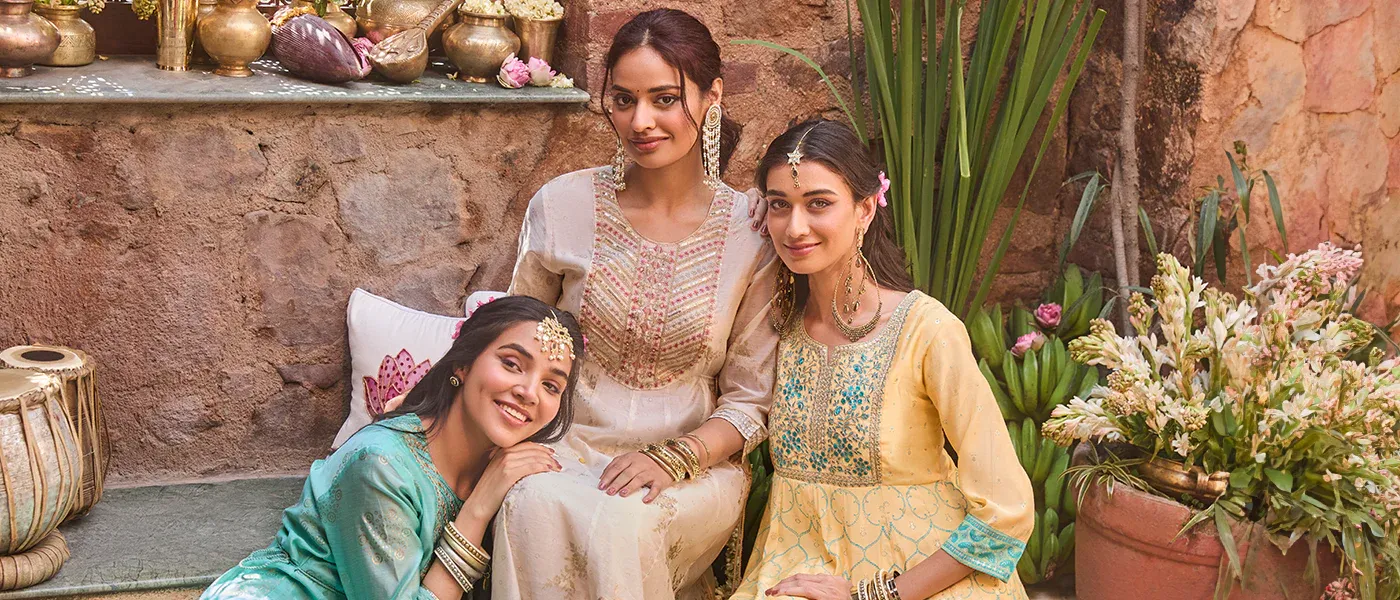
Ethnic fashion continues to grow due to increasing awareness of heritage textiles, sustainable fabrics, and handcrafted designs. As people seek authenticity in their wardrobe, traditional styles remain relevant and adaptable.
Why Women’s Ethnic Fashion Matters Today
Ethnic fashion plays a significant role in modern society by connecting tradition with current trends. It affects a wide audience, including individuals interested in cultural clothing, fashion enthusiasts, designers, and those attending traditional events.
It matters because:
-
It preserves cultural identity and craftsmanship
-
It supports artisans and traditional weaving techniques
-
It offers versatile styling options for different occasions
-
It promotes sustainable and slow fashion practices
Many people face challenges such as choosing the right outfit for occasions, understanding fabric types, or styling ethnic wear in a modern way. This topic helps solve these issues by providing clear guidance on combinations, colors, and accessorizing.
For example, combining a traditional kurti with contemporary bottoms like palazzos or trousers creates a balanced look suitable for both casual and formal settings.
Below is a simple table explaining common ethnic outfits and their uses:
| Outfit Type | Typical Use Case | Styling Suggestion |
|---|---|---|
| Saree | Formal events, ceremonies | Pair with minimal jewelry for elegance |
| Salwar Suit | Daily wear, office | Choose lightweight fabrics |
| Lehenga | Festive occasions | Use bold colors and statement accessories |
| Kurti | Casual or semi-formal | Mix with jeans or skirts |
| Anarkali | Celebrations | Focus on flowy silhouettes |
Recent Developments and Trends in Ethnic Fashion
In recent times, ethnic fashion has seen several noticeable trends driven by changing preferences and digital influence. Designers and consumers are increasingly focusing on comfort, sustainability, and fusion styling.
Key developments include:
-
Fusion Wear Popularity: Combining traditional garments with modern cuts, such as sarees with belts or crop tops
-
Sustainable Fabrics: Growing interest in organic cotton, handloom textiles, and eco-friendly dyes
-
Minimalist Styling: Simpler designs with subtle embroidery instead of heavy embellishments
-
Digital Influence: Social media platforms shaping trends and styling ideas
-
Customization: Personalized fits and designs becoming more common
A simple trend comparison table:
| Trend Type | Traditional Approach | Modern Approach |
|---|---|---|
| Fabric Choice | Silk, heavy materials | Lightweight, breathable |
| Styling | Fully traditional | Fusion and mix-match |
| Colors | Bright and bold | Pastel and neutral tones |
| Accessories | Heavy jewelry | Minimal and elegant |
These changes show how ethnic fashion adapts to modern needs while maintaining its cultural roots.
Rules, Guidelines, and Ethical Considerations
Ethnic fashion is influenced by various guidelines related to textiles, craftsmanship, and cultural preservation. These are not always strict laws but include broader frameworks and initiatives that encourage ethical practices.
Important considerations include:
-
Handloom and Craft Protection: Encouraging the use of traditional weaving techniques
-
Geographical Indications (GI): Protecting unique regional textiles and designs
-
Sustainability Practices: Promoting eco-friendly production methods
-
Fair Trade Practices: Supporting fair wages for artisans and workers
These frameworks aim to maintain authenticity and ensure that traditional skills are respected and preserved. They also guide consumers toward making informed and responsible fashion choices.
Useful Tools and Resources for Ethnic Fashion Styling
Various tools and resources can help individuals understand and style ethnic wear effectively. These include digital platforms, fashion guides, and planning tools.
Helpful resources include:
-
Style Planning Apps: Apps that help visualize outfit combinations
-
Color Matching Tools: Tools that suggest color palettes for outfits
-
Fabric Guides: Online resources explaining different textile types
-
Measurement Charts: Templates for accurate fitting and tailoring
-
Fashion Blogs and Tutorials: Educational content for styling ideas
Example of a simple outfit planning chart:
| Occasion Type | Outfit Suggestion | Accessories Tip |
|---|---|---|
| Casual | Kurti with jeans | Light earrings |
| Office | Straight suit | Minimal watch or bracelet |
| Festive | Lehenga or saree | Statement jewelry |
| Evening Event | Anarkali | Elegant clutch |
Using these tools can simplify decision-making and improve overall styling confidence.
Frequently Asked Questions About Women’s Ethnic Fashion
What is the difference between traditional and ethnic fashion?
Traditional fashion refers to original cultural clothing styles, while ethnic fashion may include modern adaptations or fusion styles inspired by tradition.
How can ethnic wear be styled for everyday use?
Choose lightweight fabrics, simple designs, and pair traditional pieces with modern elements like trousers or minimal accessories.
Which fabrics are best for comfort in ethnic clothing?
Cotton, linen, and soft blends are generally comfortable and suitable for daily wear.
How do I choose the right ethnic outfit for an occasion?
Consider the event type, time, and comfort level. Formal events usually require more detailed outfits, while casual settings allow simpler styles.
Is ethnic fashion suitable for modern workplaces?
Yes, many ethnic outfits such as simple suits or kurtis can be styled professionally with neutral colors and minimal accessories.
Conclusion
Women’s ethnic fashion is a dynamic blend of tradition and modern expression. It continues to evolve while maintaining its cultural significance and relevance. By understanding fabrics, styles, and current trends, individuals can make informed choices that reflect both personal style and cultural appreciation.
This topic highlights the importance of preserving heritage while adapting to modern needs. With the right knowledge and resources, ethnic fashion can be both practical and expressive, suitable for various occasions and lifestyles.