Wind Farm Maintenance Robots: Complete Guide & Insights
Wind farm maintenance robots are advanced robotic systems designed to inspect, monitor, and maintain wind turbines. These machines operate on turbine blades, towers, and internal nacelle components, performing tasks that traditionally required manual inspection teams.
Wind turbines are large mechanical structures exposed to strong winds, lightning, temperature shifts, and saltwater conditions in offshore environments. Over time, blades develop cracks, gearboxes wear down, and electrical systems require checks. Because turbines are often located in remote landscapes or offshore platforms, manual inspection can be time-consuming and risky.
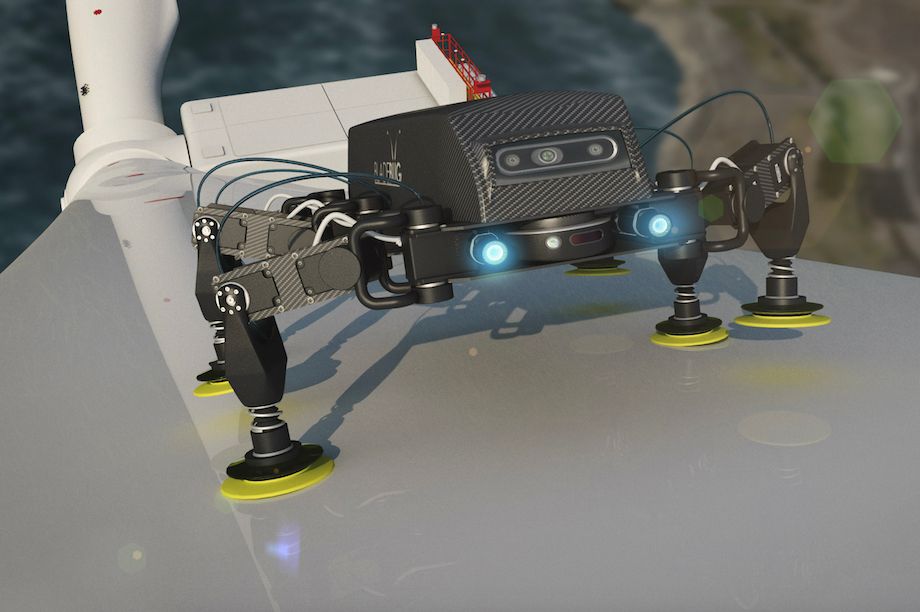
Robotics and industrial automation have emerged as practical solutions for energy infrastructure management. These systems combine artificial intelligence, computer vision, and sensor technologies to detect structural issues early. Some robots climb towers, others crawl along blades, and many operate as drone turbine inspection units capable of high-resolution imaging.
The primary purpose of wind farm maintenance robots is to improve operational reliability, reduce downtime, and enhance worker safety while supporting the broader renewable energy transition.
Importance – Why Wind Farm Maintenance Robotics Matters
Wind energy plays a growing role in global electricity generation. As renewable energy capacity expands, maintaining turbine efficiency becomes essential for grid stability and sustainability goals.
Wind farm maintenance robots matter today because they address several practical challenges:
-
Safety Risks: Manual inspections require technicians to climb towers over 80 meters high or use rope access on rotating blades. Robotics reduces exposure to hazardous conditions.
-
Operational Downtime: Turbine shutdowns during maintenance affect power generation. Automated inspections are often faster and more precise.
-
Predictive Maintenance Needs: AI-based monitoring systems analyze vibration, thermal patterns, and structural data to predict failures before they occur.
-
Offshore Complexity: Offshore wind operations involve harsh marine environments where traditional inspection logistics are difficult.
These technologies affect multiple stakeholders:
-
Renewable energy operators
-
Utility companies
-
Infrastructure planners
-
Environmental regulators
-
Communities relying on clean energy supply
By using predictive maintenance systems, operators can extend turbine lifespan and prevent major component failures. This supports sustainable infrastructure development and helps reduce carbon emissions associated with emergency repairs and equipment replacement.
Recent Updates – Trends and Developments in Robotics
Over the past year, wind farm robotics has seen notable technological advancements and research progress.
AI integration has improved dramatically. New machine learning models can now identify micro-cracks in turbine blades using high-resolution image analysis. Enhanced drone turbine inspection platforms are being integrated with real-time cloud analytics for immediate structural assessments.
Another major development involves autonomous blade-crawling robots capable of conducting surface cleaning and minor repairs without full turbine disassembly. These systems combine robotics engineering with renewable energy technology innovations.
There has also been increased collaboration between robotics manufacturers and wind turbine producers to integrate embedded sensors during turbine manufacturing. This approach enables continuous health monitoring and supports smart grid analytics platforms.
Battery efficiency improvements in autonomous drones have extended inspection flight time, which is particularly useful in offshore wind operations where access windows may be limited.
These trends reflect a broader shift toward digital transformation in energy infrastructure management, where automation and data-driven decision-making are becoming central to renewable power systems.
Laws or Policies – Regulatory and Governance Considerations
Wind farm maintenance robotics operates within established energy and safety frameworks. Governments worldwide regulate renewable energy infrastructure to ensure environmental protection, worker safety, and grid reliability.
Key regulatory areas affecting this field include:
-
Occupational Safety Standards: Robotics helps meet safety requirements by minimizing hazardous human exposure during turbine inspections.
-
Aviation and Drone Regulations: Drone turbine inspection systems must comply with aviation authority rules governing airspace usage and remote operations.
-
Environmental Impact Regulations: Offshore wind operations are subject to marine ecosystem protection guidelines.
-
Energy Grid Compliance: Data collected by AI-based monitoring tools must align with national energy reporting requirements.
Many governments support renewable energy technology through policy incentives, research grants, and smart grid modernization programs. Such initiatives indirectly accelerate robotics adoption by encouraging efficiency and innovation in clean energy systems.
Compliance remains essential. Operators must ensure robotic systems meet technical certification standards and cybersecurity guidelines, especially when integrating with grid-connected analytics platforms.Tools and Resources – Helpful Platforms and Technologies
Wind farm maintenance robotics relies on a combination of hardware, software, and analytical tools. The following resources are commonly used in energy infrastructure management:
-
SCADA Systems (Supervisory Control and Data Acquisition): Monitor turbine performance data in real time.
-
Computer Vision Software: Used for blade crack detection and image analytics.
-
Digital Twin Platforms: Simulate turbine behavior for predictive maintenance planning.
-
GIS Mapping Tools: Assist with wind farm layout analysis and inspection scheduling.
-
Cloud-Based Data Analytics Dashboards: Aggregate turbine health data from multiple sites.
Below is a simplified comparison of inspection methods:
| Inspection Method | Speed | Risk Level | Data Accuracy | Offshore Suitability |
|---|---|---|---|---|
| Manual Rope Access | Moderate | High | Visual Only | Limited |
| Ground-Based Cameras | Moderate | Low | Moderate | Moderate |
| Drone Turbine Inspection | Fast | Low | High | High |
| Blade-Crawling Robots | Moderate | Low | High | High |
A simplified workflow of robotic predictive maintenance can be visualized as follows:
Data Collection → Image & Sensor Analysis → AI-Based Fault Detection → Maintenance Planning → Performance Optimization
These tools collectively support smart grid analytics and help energy operators manage distributed renewable assets more effectively.
FAQs
What are wind farm maintenance robots used for?
They inspect turbine blades, towers, and internal components. Some perform cleaning and minor repair tasks, while others gather data for predictive maintenance systems.
Are robotic inspections more accurate than manual inspections?
Robotic systems equipped with high-resolution cameras and AI-based monitoring tools can detect small defects that may not be visible during manual checks. They also provide consistent documentation.
Do drones replace human technicians?
Drones and robotic platforms assist technicians rather than replace them. Human expertise remains essential for advanced repairs and system decision-making.
How do robots improve offshore wind operations?
Offshore environments are challenging due to weather and accessibility. Autonomous systems reduce travel requirements and enable faster inspection cycles.
Is cybersecurity important in robotic wind maintenance?
Yes. When robotic systems connect to cloud analytics or grid infrastructure, data protection and secure communication protocols are critical for maintaining energy infrastructure stability.
Conclusion
Wind farm maintenance robots represent a key development in renewable energy technology and industrial robotics automation. As wind energy capacity expands, maintaining turbine reliability becomes increasingly important for environmental sustainability and grid stability.
Robotics, AI-based monitoring, predictive maintenance systems, and drone turbine inspection platforms help address safety challenges, reduce downtime, and improve operational efficiency. These technologies align with broader digital transformation efforts in energy infrastructure management.
Regulatory frameworks, environmental standards, and aviation rules shape how robotic systems are deployed. At the same time, advances in computer vision, digital twin modeling, and smart grid analytics continue to refine maintenance strategies.