Wheel Dozers Overview: Explore Basics, Facts, and Practical Knowledge
Wheel dozers are heavy earthmoving machines designed to push, spread, and level materials such as soil, sand, gravel, and debris. They combine the pushing capability of a front-mounted blade with rubber tires instead of tracks. This design allows them to move efficiently across firm ground, paved surfaces, and mixed terrain.
The concept of the wheel dozer developed to address situations where traditional tracked dozers were less efficient. Tracked machines perform well on soft or uneven ground, but they can be slower on hard surfaces and may cause surface damage. Wheel dozers exist to provide faster travel speeds, smoother operation, and better mobility between work zones. They are commonly used in construction, infrastructure development, mining support, quarry operations, and industrial material handling.
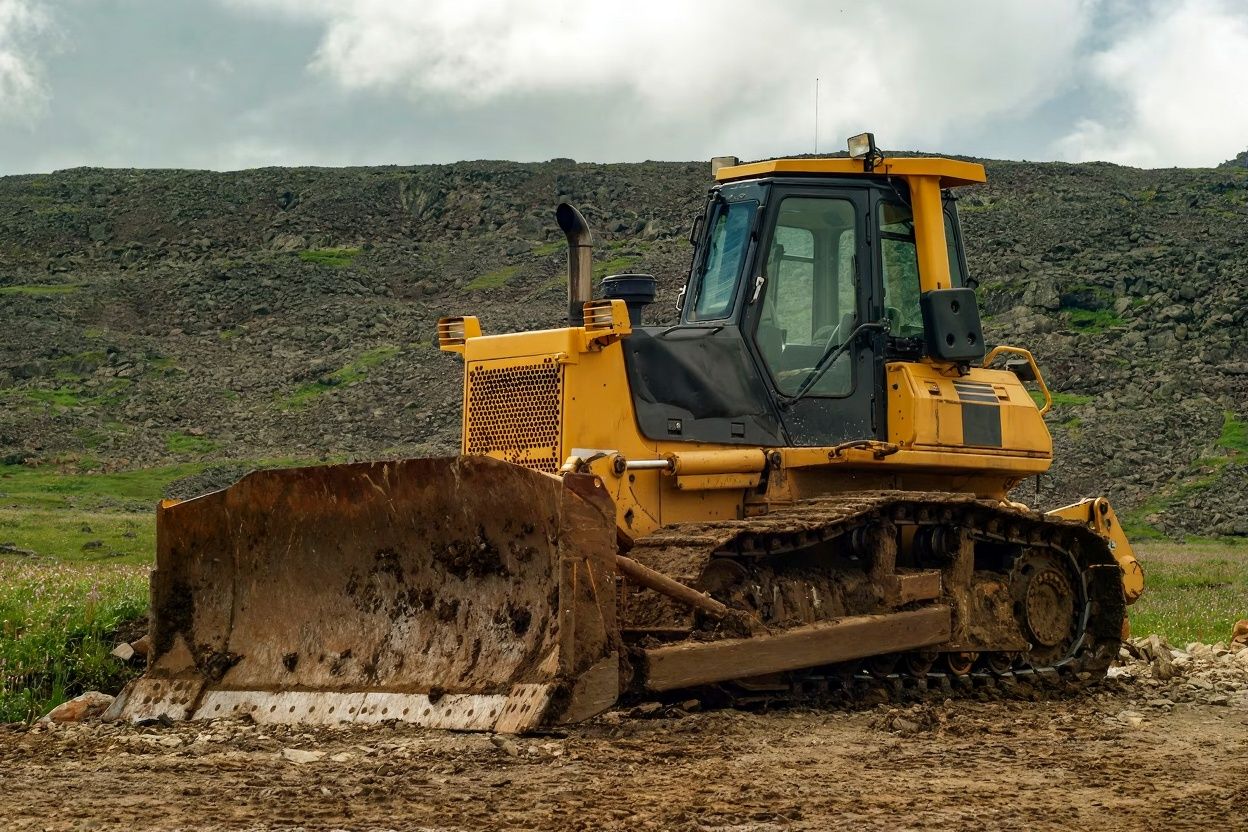
At a basic level, a wheel dozer consists of a powerful engine, articulated steering, large industrial tires, a hydraulically controlled blade, and an operator cab designed for visibility and safety. These components work together to deliver controlled pushing power while maintaining maneuverability.
Importance: Why Wheel Dozers Matter Today
Wheel dozers play an important role in modern infrastructure and industrial activity. As development projects expand in scale and complexity, there is growing demand for equipment that can handle high workloads while remaining flexible.
Key reasons wheel dozers matter include:
-
Operational efficiency: Faster movement between work areas improves overall productivity on large sites.
-
Surface protection: Tires are less aggressive than tracks on finished or semi-finished surfaces.
-
Versatility: Suitable for stockpiling, site preparation, backfilling, and cleanup tasks.
-
Reduced downtime: Mobility allows quicker repositioning without additional transport equipment.
Industries affected by wheel dozers include construction, logistics yards, ports, mining support operations, and public works projects. These machines help solve practical problems such as uneven ground, material congestion, and time delays in large-scale operations.
From an operational standpoint, wheel dozers contribute to better workflow coordination, especially on sites where multiple machines must work together. Their ability to transition between tasks without major setup changes adds to their value in modern equipment fleets.
Recent Updates: Technology and Industry Trends
In recent periods, wheel dozer development has focused on efficiency, safety, and digital integration rather than purely mechanical improvements.
Notable trends include:
-
Advanced hydraulic control systems that allow smoother blade response and more precise grading.
-
Engine optimization technologies aimed at reducing fuel consumption while maintaining power output.
-
Operator-assist features such as automated blade positioning and traction control.
-
Telematics and monitoring systems that track machine performance, usage patterns, and maintenance indicators.
There has also been increased attention to operator comfort. Updated cab designs now emphasize improved visibility, ergonomic controls, reduced noise levels, and climate regulation. These updates are driven by the understanding that operator performance directly affects machine efficiency and site safety.
Another emerging trend is the integration of wheel dozers into digitally managed construction sites. Data from machines can be synchronized with site planning tools to improve coordination and reduce idle time.
Laws or Policies: Regulatory Influence on Wheel Dozers
Wheel dozers are influenced by general equipment safety standards, emissions guidelines, and workplace regulations. These rules are typically established by government agencies and industry bodies to ensure safe operation and environmental responsibility.
Common regulatory considerations include:
-
Equipment safety requirements covering braking systems, lighting, and operator protection structures.
-
Noise and emission guidelines that influence engine design and exhaust systems.
-
Operator training standards that define who is qualified to operate heavy machinery.
-
Worksite compliance rules related to signage, machine visibility, and operational boundaries.
Manufacturers and operators must align machine usage with these regulations to maintain compliance and reduce risk. Policies also encourage the adoption of newer technologies that support safer and more efficient operation.
Tools and Resources: Helpful References for Understanding Wheel Dozers
A range of tools and resources can support learning, planning, and operational understanding of wheel dozers.
Useful resources include:
-
Equipment specification charts that compare blade types, engine output, and operating weight
-
Product documentation libraries offering operation manuals and safety guidelines
-
Digital simulators used for operator training and familiarization
-
Maintenance planning templates for tracking service intervals and inspections
-
Construction equipment comparison platforms for technical evaluation and research
Below is a simplified comparison table showing typical characteristics across wheel dozer classes:
| Feature Area | Compact Class | Mid-Size Class | Heavy Class |
|---|---|---|---|
| Operating Weight Range | Lower | Moderate | High |
| Blade Capacity | Small | Medium | Large |
| Typical Applications | Light grading | General works | Bulk pushing |
| Mobility on Hard Ground | High | High | Moderate–High |
These resources help stakeholders make informed decisions and improve understanding without requiring advanced technical backgrounds.
FAQs: Common Questions About Wheel Dozers
What is the main difference between wheel dozers and tracked dozers?
Wheel dozers use tires instead of tracks, allowing faster movement on firm surfaces and reduced surface damage, while tracked dozers excel on soft or uneven terrain.
Where are wheel dozers most commonly used?
They are commonly used on construction sites, industrial yards, mining support areas, and infrastructure projects where mobility and speed are important.
How does articulated steering help wheel dozers?
Articulated steering allows the machine to pivot in the middle, improving maneuverability in tight spaces and enhancing control during pushing operations.
Are wheel dozers suitable for precision grading?
Yes, modern wheel dozers with advanced hydraulic controls and assist systems can handle precision grading tasks effectively.
What skills are needed to operate a wheel dozer?
Operators need training in heavy equipment handling, safety procedures, and basic machine controls to ensure efficient and safe operation.
Conclusion
Wheel dozers are an essential part of modern earthmoving and material handling operations. Their design addresses the need for speed, flexibility, and efficiency on firm and mixed surfaces. By combining pushing power with mobility, they fill a critical role between traditional dozers and wheeled loaders.
Ongoing technological updates continue to improve control, safety, and data integration, making wheel dozers more adaptable to evolving work environments. Understanding their function, importance, and operational context helps stakeholders—from planners to operators—use them effectively within regulated and safety-focused frameworks.