Web Application Firewall (WAF): Complete Guide, Basics & Key Insights
A Web Application Firewall (WAF) is a security technology designed to protect web applications from cyber threats. Unlike traditional firewalls that monitor network traffic at a broader level, a WAF specifically filters, monitors, and blocks malicious HTTP and HTTPS traffic directed toward web applications.
Web applications power online banking portals, e-commerce platforms, government service websites, educational platforms, and social media systems. As these applications handle sensitive information such as login credentials, payment details, and personal data, they become attractive targets for cyber attackers.
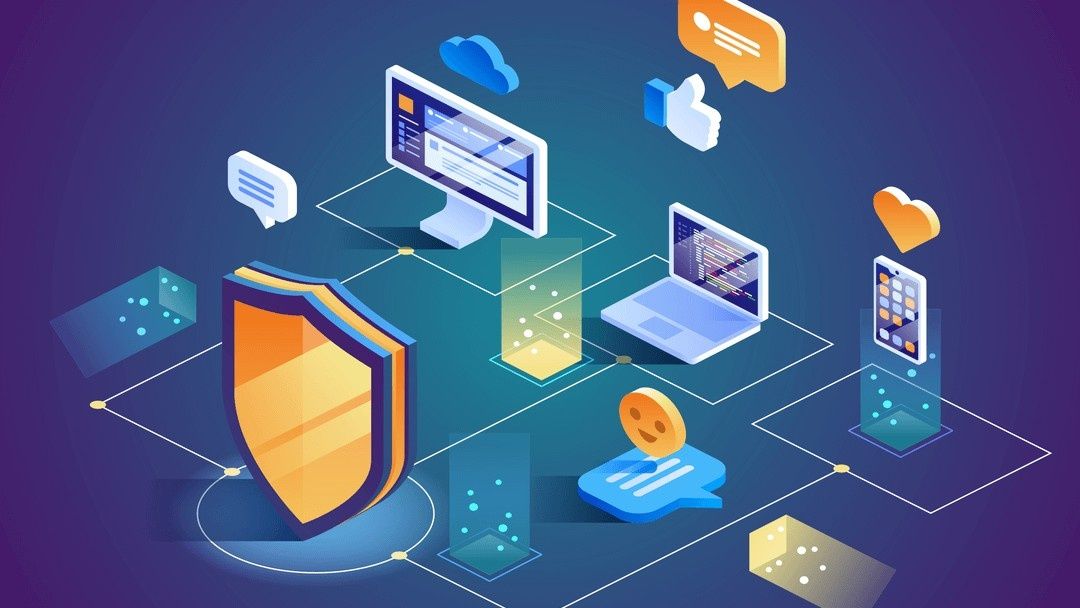
A WAF exists to reduce these risks. It acts as a protective layer between users and web servers, analyzing incoming requests to detect suspicious behavior. If a request matches known attack patterns or violates security rules, the WAF blocks it before it reaches the application.
Common attacks that WAF systems help prevent include:
-
SQL injection attacks
-
Cross-site scripting (XSS)
-
Remote file inclusion
-
Cross-site request forgery (CSRF)
-
Application-layer Distributed Denial of Service (DDoS)
WAF technology can be deployed in different forms:
-
Cloud-based WAF
-
Hardware appliance WAF
-
Software-based WAF
-
Integrated WAF within content delivery networks (CDNs)
This makes WAF a core component of modern cybersecurity solutions and application security frameworks.
Why Web Application Firewalls Matter Today
As digital transformation expands, more organizations depend on web-based platforms for operations, customer engagement, and data exchange. This shift increases exposure to cyber risks.
According to the Open Web Application Security Project (OWASP), web applications remain one of the most frequently targeted attack surfaces. Their well-known OWASP Top 10 list highlights vulnerabilities such as injection flaws and broken authentication mechanisms.
WAF technology addresses several major challenges:
Protection Against Evolving Threats
Cyber attackers continuously develop new methods to exploit web vulnerabilities. A WAF uses signature-based detection, behavioral analysis, and rule-based filtering to identify abnormal patterns in real time.
Support for Data Protection Compliance
Regulatory frameworks like the General Data Protection Regulation (GDPR) and the Digital Personal Data Protection Act require organizations to implement appropriate security controls to protect personal data. WAF systems contribute to compliance by reducing the risk of data breaches.
Defense Against Application-Layer DDoS
Traditional firewalls may not detect HTTP flood attacks targeting application resources. A WAF is specifically designed to handle this layer, providing DDoS mitigation at the application level.
Improved Visibility and Monitoring
Modern WAF dashboards provide analytics on traffic behavior, blocked threats, and vulnerability patterns. This visibility strengthens overall network security tools and security posture management.
Zero Trust and Cloud Security Integration
In cloud security environments, WAF solutions integrate with identity systems and zero trust security models. They help ensure that every request is verified before accessing application resources.
Today, sectors such as banking, healthcare, government, e-commerce, and education rely heavily on web application firewall deployment as part of enterprise cybersecurity strategies.
Recent Developments and Trends in WAF Technology
Over the past year, several key trends have shaped the evolution of web application firewall systems.
AI-Driven Threat Detection
Artificial intelligence and machine learning are increasingly used to improve threat detection accuracy. These systems analyze traffic patterns to reduce false positives while identifying new attack methods.
API Security Integration
With the rapid growth of APIs in mobile and cloud-based applications, modern WAFs now include API protection features. This helps secure RESTful and GraphQL endpoints from abuse.
Cloud-Native WAF Adoption
Organizations migrating to multi-cloud environments are adopting cloud-native WAF solutions that integrate directly with infrastructure platforms. For example:
-
AWS WAF
-
Azure Web Application Firewall
-
Cloudflare WAF
These solutions provide scalable protection for distributed applications.
Bot Management and Automation Controls
Advanced WAF systems now include bot detection capabilities to distinguish between legitimate search engine crawlers and malicious automated scripts.
DevSecOps Integration
Security teams are integrating WAF configuration into CI/CD pipelines. This supports DevSecOps practices, ensuring that security controls are aligned with application development workflows.
The following table summarizes key modern WAF features:
| Feature | Purpose |
|---|---|
| Signature-Based Filtering | Blocks known attack patterns |
| Behavioral Analysis | Detects abnormal traffic activity |
| API Protection | Secures application programming interfaces |
| Bot Mitigation | Prevents automated abuse |
| DDoS Mitigation | Stops application-layer traffic floods |
| Compliance Logging | Supports audit and regulatory reporting |
These advancements show how web application firewall systems are adapting to evolving cybersecurity risks.
Legal and Regulatory Considerations
Web application security is closely connected to legal and regulatory frameworks related to data protection and cybersecurity governance.
Data protection laws often require organizations to implement “reasonable security safeguards.” While regulations do not mandate a specific technology, deploying network security tools such as WAF systems helps demonstrate proactive risk management.
Examples of regulatory influence include:
-
The General Data Protection Regulation emphasizes protection of personal data and breach prevention.
-
The Digital Personal Data Protection Act outlines obligations for data fiduciaries regarding security measures.
-
Cybersecurity guidelines issued by national authorities often recommend layered defense strategies.
In addition to data privacy laws, financial sector regulators and healthcare compliance frameworks typically expect strong application security controls. WAF deployment contributes to fulfilling these expectations by reducing vulnerability exposure.
Organizations implementing WAF systems should also maintain:
-
Incident response plans
-
Logging and monitoring policies
-
Periodic vulnerability assessments
-
Security awareness training
This ensures alignment between technology, policy, and governance.
Tools and Resources for Web Application Firewall Management
Several tools and platforms support effective WAF implementation and cybersecurity management.
Security Frameworks and Standards
-
National Institute of Standards and Technology (NIST) Cybersecurity Framework
-
International Organization for Standardization (ISO/IEC 27001)
These frameworks provide structured guidance on risk management and information security controls.
Vulnerability Testing Tools
-
OWASP ZAP – An open-source web application scanner
-
Burp Suite – Used for identifying vulnerabilities
Cloud Security Dashboards
-
AWS WAF
-
Azure Web Application Firewall
-
Cloudflare WAF
These platforms provide rule configuration, analytics dashboards, and reporting features.
Best Practice Resources
-
OWASP documentation and risk reports
-
Security configuration templates from cloud providers
-
Threat intelligence feeds
The following simple comparison table highlights deployment models:
| Deployment Type | Suitable For |
|---|---|
| Cloud-Based WAF | Scalable cloud applications |
| Hardware WAF | On-premise data centers |
| Software WAF | Custom server environments |
| CDN-Integrated | High-traffic public websites |
Selecting the right model depends on infrastructure architecture and security requirements.
Frequently Asked Questions (FAQs)
What is the difference between a firewall and a web application firewall?
A traditional firewall protects network traffic at the IP and port level, while a web application firewall focuses specifically on HTTP and HTTPS traffic targeting web applications.
Can a WAF prevent all cyber attacks?
No single tool can prevent all threats. A WAF is most effective when combined with secure coding practices, regular vulnerability testing, and broader cybersecurity solutions.
Does a WAF impact website performance?
Modern cloud-based WAF systems are optimized to minimize latency. In many cases, integration with content delivery networks can improve performance while providing protection.
Is WAF only needed for large enterprises?
Any organization operating a web application that processes user data can benefit from application security measures, regardless of size.
How often should WAF rules be updated?
Rules should be reviewed regularly, especially when new vulnerabilities are identified or when application functionality changes.
Conclusion
A Web Application Firewall (WAF) plays a critical role in protecting modern web applications from cyber threats. By filtering malicious traffic, preventing SQL injection and cross-site scripting attacks, and supporting data protection compliance, WAF systems strengthen overall cybersecurity infrastructure.
As digital platforms expand and cloud adoption increases, application security remains a priority across industries. Recent advancements in AI-driven threat detection, API security integration, and cloud-native deployment demonstrate how WAF technology continues to evolve.
While a WAF is not a standalone solution, it forms an essential part of layered defense strategies that align with regulatory requirements and best practices in information security. By combining WAF deployment with secure development practices, compliance frameworks, and continuous monitoring, organizations can build a more resilient digital environment.