Water Testing Equipment Guide: Lab Kits, Portable Analyzers & Industrial Solutions for Accurate Quality Control
Water quality testing plays a central role in maintaining safe drinking water, protecting ecosystems, and supporting industrial processes. A wide range of tools—from a water quality test kit for lab use to portable field devices—are designed to measure physical, chemical, and biological characteristics of water. These tools fall under a broader category known as water contamination detection tools, which help identify impurities such as heavy metals, bacteria, and dissolved solids.
Historically, water testing began with simple observational methods, such as checking clarity or odor. Over time, scientific advancements introduced precise instruments like pH and TDS testing kits and digital water quality meters. Today, both small-scale users and large industries rely on specialized equipment to monitor water conditions across different environments, including households, laboratories, and manufacturing facilities.
Modern water testing equipment suppliers provide a range of solutions tailored to different needs. While some tools are designed for quick on-site testing, others are used in controlled lab environments for more detailed analysis. Industrial water testing equipment, in particular, supports sectors such as pharmaceuticals, food processing, and wastewater treatment.
Importance
Water quality directly affects human health, agriculture, and industrial productivity. Contaminated water can carry harmful microorganisms, toxic chemicals, and pollutants that may lead to health issues or environmental damage. Reliable water contamination detection tools help identify these risks early, allowing corrective measures to be taken.
For households, simple pH and TDS testing kits can indicate whether water is safe for drinking or requires treatment. Farmers use similar tools to assess irrigation water, ensuring it supports crop growth without introducing harmful substances. In urban settings, municipal authorities rely on continuous monitoring systems to maintain public water safety.
Industries depend on precise measurements to maintain product quality and meet regulatory standards. For example, manufacturing processes often require water with specific chemical properties. Industrial water testing equipment ensures consistency, helping prevent defects and equipment damage caused by impurities.
Key challenges addressed by water testing equipment include:
- Detecting invisible contaminants such as dissolved metals or microorganisms
- Maintaining compliance with environmental and health standards
- Preventing long-term damage to infrastructure and ecosystems
- Supporting data-driven decision-making in water management
Recent Updates
Between 2024 and 2026, water testing technology has continued to evolve toward greater accuracy, portability, and digital integration. One notable trend is the growing use of smart sensors in digital water quality meters. These devices can transmit real-time data to cloud-based platforms, allowing users to monitor water conditions remotely.
Portable analyzers have also become more compact and user-friendly. Many modern water contamination detection tools now include multi-parameter capabilities, meaning a single device can measure pH, conductivity, dissolved oxygen, and turbidity simultaneously. This reduces the need for multiple instruments in field testing scenarios.
Another development is the integration of artificial intelligence in data interpretation. Some advanced systems can identify patterns in water quality data, helping predict contamination risks or system failures. While these features are more common in industrial water testing equipment, simplified versions are gradually appearing in consumer-grade devices.
Sustainability has also influenced design trends. Manufacturers are focusing on reusable sensors, lower energy consumption, and reduced chemical usage in lab-based testing kits. These changes align with broader environmental goals and reduce the environmental impact of testing processes.
Laws or Policies
Water testing practices are shaped by national and regional regulations that define acceptable water quality standards. In India, several frameworks guide water monitoring and testing.
The Bureau of Indian Standards (BIS) sets specifications for drinking water quality under IS 10500. This standard outlines permissible limits for parameters such as pH, total dissolved solids (TDS), hardness, and contaminants like lead or arsenic. Water quality test kit for lab use is often designed to measure these parameters accurately.
The Central Pollution Control Board (CPCB) regulates water pollution and establishes guidelines for wastewater discharge. Industries are required to monitor their effluents using industrial water testing equipment to ensure compliance with environmental norms.
Other relevant frameworks include:
- National Water Policy: Emphasizes sustainable water use and quality monitoring
- Jal Jeevan Mission: Focuses on providing safe drinking water in rural areas, including regular testing
- State-level pollution control boards: Enforce compliance for local industries and municipalities
These policies encourage regular testing using both laboratory-based and portable tools. They also promote transparency by requiring data reporting and public access to water quality information in some cases.
Tools and Resources
A variety of tools are available for different water testing needs, ranging from simple kits to advanced analytical instruments. Understanding their functions helps users choose appropriate methods for specific applications.
Laboratory Testing Kits
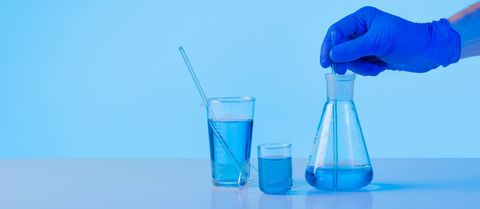
Water quality test kit for lab environments typically includes reagents, glassware, and instruments designed for precise measurements. These kits are used in controlled conditions to analyze multiple parameters.
Common components include:
- Chemical reagents for detecting specific contaminants
- Spectrophotometers for measuring light absorption
- Titration setups for determining chemical concentrations
Portable Testing Devices
Portable water contamination detection tools are designed for field use. They are compact and provide quick results, making them suitable for on-site testing.
Examples include:
- Handheld digital water quality meters for measuring pH and conductivity
- Portable turbidity meters for assessing water clarity
- Multi-parameter analyzers for simultaneous testing
Digital Instruments
Digital water quality meters are widely used due to their ease of use and accuracy. These devices often feature digital displays, automatic calibration, and data storage capabilities.
Typical measurements include:
- pH levels
- Total dissolved solids (TDS)
- Electrical conductivity
- Temperature
Industrial Systems
Industrial water testing equipment is designed for continuous monitoring in large-scale operations. These systems are often integrated into production lines or treatment facilities.
Features may include:
- Automated sampling and analysis
- Real-time data monitoring
- Integration with control systems for process adjustments
Comparison of Common Water Testing Tools
| Tool Type | Typical Use Case | Parameters Measured | Portability |
|---|---|---|---|
| Lab Test Kits | Detailed analysis | Multiple chemical parameters | Low |
| Portable Test Devices | Field testing | pH, turbidity, conductivity | High |
| Digital Water Quality Meter | Routine monitoring | pH, TDS, temperature | High |
| Industrial Testing Systems | Continuous monitoring | Comprehensive multi-parameter | Fixed |
Additional Resources
Several online platforms and tools support water quality testing and data interpretation:
- Government portals providing water quality standards and guidelines
- Mobile applications that connect with digital water quality meters
- Educational resources explaining testing methods and parameters
- Data logging software for tracking long-term trends
These resources help users better understand test results and maintain consistent monitoring practices.
FAQs
What is a water quality test kit for lab use?
A water quality test kit for lab use is a set of tools and chemicals designed to analyze water samples in controlled conditions. It allows precise measurement of parameters such as pH, hardness, and contaminants.
How do water contamination detection tools work?
Water contamination detection tools identify impurities by measuring physical and chemical properties. Some use sensors, while others rely on chemical reactions to indicate the presence of specific substances.
What is the difference between pH and TDS testing kits?
pH and TDS testing kits measure different aspects of water quality. pH indicates acidity or alkalinity, while TDS measures the total amount of dissolved solids, such as salts and minerals.
When is industrial water testing equipment used?
Industrial water testing equipment is used in manufacturing, wastewater treatment, and large-scale operations. It provides continuous monitoring to ensure water meets required standards.
Are digital water quality meters accurate?
Digital water quality meters are generally accurate when properly calibrated and maintained. They provide quick readings and are widely used for routine testing in both domestic and professional settings.
Conclusion
Water testing equipment plays a critical role in ensuring safe and reliable water across different settings. From laboratory kits to portable analyzers and industrial systems, each type serves a specific purpose in monitoring water quality. Advances in digital technology have made testing more accessible and efficient, while regulations continue to guide proper usage. Understanding these tools and their applications helps individuals and organizations maintain water safety and environmental balance.