Water Purification Guide: Basics, Facts, Tips & Insights
Water purification is the process of removing contaminants, harmful microorganisms, chemicals, and suspended particles from water to make it safe for human use. This process is essential for drinking, cooking, sanitation, and industrial activities. Natural water sources such as rivers, lakes, groundwater, and reservoirs often contain impurities due to environmental factors, urban runoff, agricultural activities, and aging infrastructure.
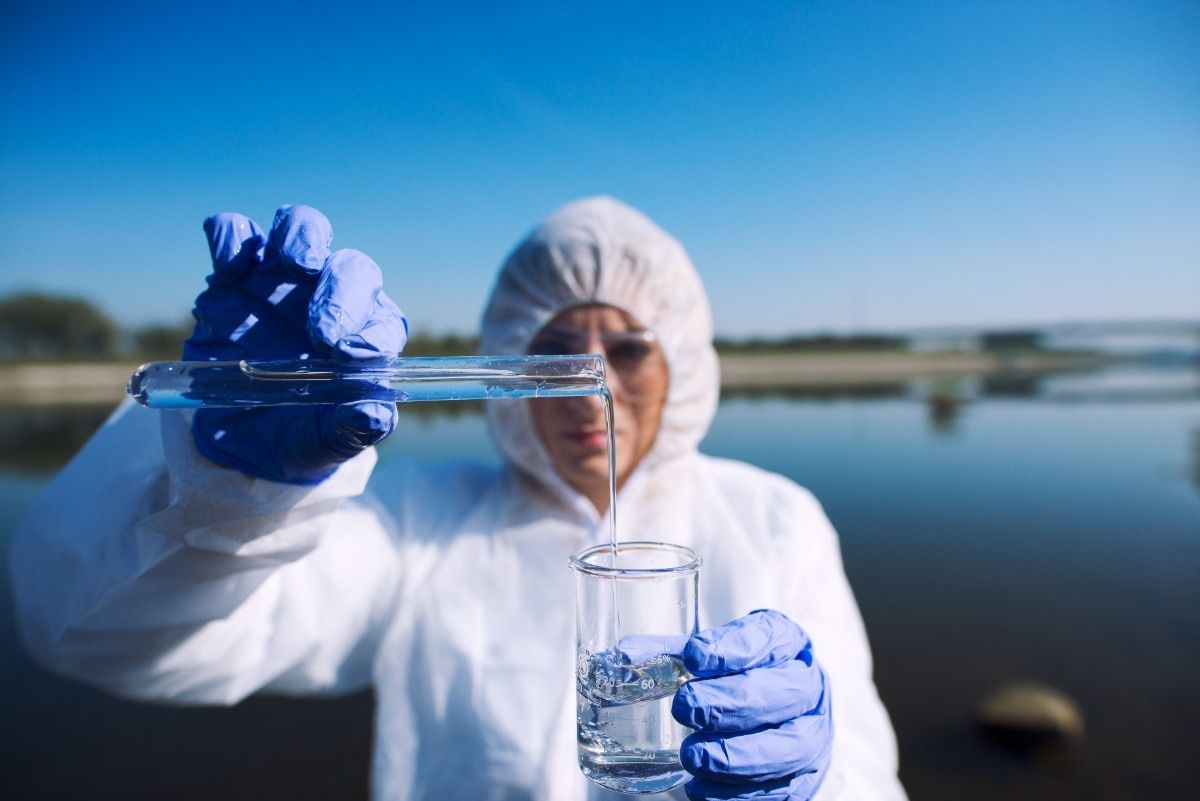
Water purification systems are designed to address these challenges through physical, chemical, and biological treatment methods. Common water filtration methods include:
-
Sedimentation and filtration
-
Activated carbon filtration
-
Reverse osmosis system technology
-
Ultraviolet (UV) disinfection
-
Chlorination and ozonation
The water treatment process may vary depending on whether it is applied at a municipal water treatment plant or within a household water filtration system. In large-scale treatment facilities, water passes through multiple stages before reaching distribution networks. At the household level, point-of-use water purifiers target specific contaminants.
The primary goal is to ensure compliance with drinking water quality standards established by public health and environmental authorities. These standards define acceptable levels for bacteria, heavy metals, pesticides, and other contaminants.
Why Water Purification Matters Today
Access to clean drinking water remains a critical public health priority. Population growth, industrial development, climate variability, and infrastructure stress increase the risk of water contamination. Contaminated water can contain pathogens such as bacteria and viruses, as well as chemical pollutants like arsenic, lead, and nitrates.
Water purification systems play an important role in:
-
Preventing waterborne diseases
-
Reducing exposure to toxic substances
-
Improving taste and odor
-
Supporting safe food preparation
-
Protecting vulnerable populations such as children and older adults
Water contamination solutions are also relevant for rural communities that rely on groundwater, as well as urban areas with aging pipelines. In some regions, groundwater may contain naturally occurring minerals such as fluoride or arsenic that exceed recommended limits.
Industries, laboratories, and healthcare facilities depend on advanced water treatment technologies for operational safety and regulatory compliance. In addition, purified water supports sectors such as pharmaceuticals, food processing, and electronics manufacturing.
With increasing awareness about environmental sustainability, water quality testing and filtration technologies are evolving to reduce waste and energy consumption while maintaining safety standards
Recent Developments and Trends in Water Treatment
In the past year, several advancements and discussions have influenced the water purification sector:
-
Expanded monitoring of emerging contaminants such as microplastics and PFAS (per- and polyfluoroalkyl substances).
-
Increased adoption of smart water quality monitoring systems using IoT sensors for real-time data tracking.
-
Improvements in membrane filtration technology, enhancing efficiency in reverse osmosis systems.
-
Growing interest in solar-powered water purification units for remote areas.
-
Public awareness campaigns encouraging regular water quality testing in residential buildings.
Regulatory bodies have also reviewed drinking water quality standards in response to scientific findings related to long-term exposure to certain chemicals. Infrastructure upgrades in many regions focus on reducing leakage and modernizing aging distribution systems.
Digital tools and data-driven approaches are now integrated into municipal water management, helping authorities detect contamination events faster and respond effectively.
Laws, Regulations, and Public Programs
Water purification and drinking water safety are influenced by environmental protection laws, public health regulations, and infrastructure programs. Governments establish water quality standards that define acceptable contaminant levels and monitoring requirements.
Typical regulatory frameworks include:
-
National drinking water quality standards
-
Environmental protection guidelines
-
Public health codes
-
Industrial wastewater discharge regulations
-
Building codes related to plumbing and water storage
Public water utilities are generally required to conduct regular testing and publish water quality reports. These reports provide transparency regarding contaminant levels and compliance with established standards.
In many regions, government initiatives support:
-
Rural water supply projects
-
Urban water infrastructure modernization
-
Water conservation programs
-
Research on advanced water treatment technologies
-
Community-level awareness on safe water practices
Compliance with regulations ensures that water purification systems meet safety benchmarks and protect public health without making exaggerated or misleading claims.
Common Water Purification Methods Comparison
Below is a simplified overview of widely used water filtration methods and their primary functions:
| Method | Main Function | Removes |
|---|---|---|
| Sedimentation | Settles heavy particles | Sand, silt |
| Activated Carbon Filter | Adsorption of chemicals | Chlorine, odors, some pesticides |
| Reverse Osmosis System | Membrane separation | Dissolved salts, heavy metals |
| UV Water Purifier | Ultraviolet disinfection | Bacteria, viruses |
| Chlorination | Chemical disinfection | Microorganisms |
Each method addresses specific contaminants. In many systems, multiple technologies are combined to improve overall effectiveness.
Tools and Resources for Water Quality Awareness
Several tools and resources can help individuals and communities understand and monitor water quality:
Water quality testing kits
These kits measure parameters such as pH, hardness, chlorine, nitrates, and heavy metals. They provide preliminary insights into household water conditions.
Government water quality websites
Public health and environmental agencies publish water safety reports, contaminant guidelines, and regulatory updates.
Water quality monitoring apps
Some regions provide digital platforms where residents can check local water data and advisories.
Laboratory testing services
Accredited laboratories perform detailed analysis for complex contaminants not detectable by basic kits.
Educational templates and guides
Printable checklists and educational materials explain how the water treatment process works and how to interpret water quality test results.
Environmental research publications
Scientific journals and public reports offer detailed insights into advanced water purification systems and emerging contaminants.
When reviewing online resources, it is important to rely on credible public health institutions and academic research to avoid misinformation.
Simple Illustration of a Multi-Stage Water Treatment Process
| Stage | Description |
|---|---|
| Coagulation | Chemicals added to bind small particles |
| Flocculation | Particles form larger clusters |
| Filtration | Water passes through sand or membranes |
| Disinfection | UV or chlorine eliminates pathogens |
| Distribution | Treated water delivered to households |
This multi-barrier approach enhances safety by addressing different categories of contaminants at each stage.
Frequently Asked Questions
What is the difference between water filtration and water purification?
Water filtration typically refers to removing physical particles and some chemicals, while water purification includes additional processes such as disinfection to eliminate microorganisms and dissolved contaminants.
How often should water quality testing be performed?
Testing frequency depends on the source. Municipal water users may review annual public reports, while private well users are often advised to conduct laboratory testing periodically, especially if there are changes in taste, color, or odor.
Does boiling water make it completely safe?
Boiling effectively kills many bacteria and viruses but does not remove dissolved chemicals, heavy metals, or certain toxins. Additional water filtration methods may be required for comprehensive treatment.
What contaminants can a reverse osmosis system remove?
Reverse osmosis systems are designed to reduce dissolved salts, heavy metals such as lead and arsenic, nitrates, and some organic compounds. Performance depends on membrane quality and maintenance.
Are UV water purifiers effective against all microorganisms?
UV disinfection is highly effective against bacteria and viruses when properly designed and maintained. However, it does not remove chemical contaminants or suspended solids.
Conclusion
Water purification is a critical component of public health, environmental protection, and sustainable development. From municipal water treatment plants to household filtration systems, multiple technologies work together to ensure safe drinking water. Understanding water filtration methods, drinking water quality standards, and regulatory frameworks helps individuals make informed decisions about water safety.
Recent advancements in smart monitoring, membrane technology, and contaminant detection continue to improve the effectiveness of water purification systems. By combining reliable water quality testing, adherence to regulations, and awareness of emerging trends, communities can strengthen resilience against water contamination challenges.