Wai Wai Noodles Guide: Recipe, Nutrition, Calories & Health Facts
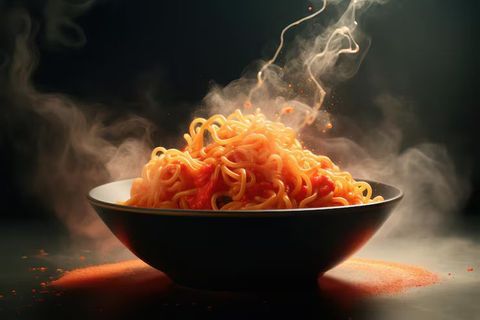
Wai Wai noodles are a type of instant noodle product that can be eaten either straight from the packet or cooked. Originating as a convenience food, they were designed to provide a quick, affordable, and easy-to-prepare meal option. Unlike many instant noodles, Wai Wai is often pre-fried and pre-seasoned, allowing it to be consumed without cooking.
The growing popularity of instant foods like Wai Wai noodles reflects modern lifestyle changes. Urbanization, busy schedules, and limited cooking time have increased demand for ready-to-eat and ready-to-cook meals. These noodles serve as a practical solution for students, working professionals, and households seeking quick meal alternatives.
From a nutritional and dietary perspective, Wai Wai noodles are categorized as processed foods. They typically contain refined flour (maida), vegetable oils, salt, and seasoning mixes. Understanding their composition is important for evaluating their role in a balanced diet.
Why Wai Wai Noodles Matter Today
The relevance of Wai Wai noodles extends beyond convenience. They are widely consumed across India and other countries due to affordability and accessibility. This makes them a staple snack or meal option for diverse income groups.
Several factors explain their importance today:
- Time-saving meals: Ideal for individuals with limited cooking time
- Budget-friendly option: Accessible for students and low-cost meal planning
- Versatility: Can be customized with vegetables, eggs, or spices
- Portability: Easy to store and prepare without complex kitchen tools
However, the increasing consumption of instant noodles has raised health-related discussions. Questions such as “wai wai noodles healthy or not” and “wai wai noodles side effects” are becoming more common. These concerns are linked to processed ingredients, sodium levels, and long-term dietary patterns.
Additionally, comparisons like “wai wai vs maggi” highlight consumer interest in nutritional differences, taste, and safety. This makes it important to evaluate these products not just as food items, but as part of broader dietary habits.
Wai Wai Noodles Recipe and Preparation Variations
Wai Wai noodles can be consumed in two main ways: uncooked or cooked. The flexibility in preparation is one of their defining features.
Basic Wai Wai Noodles Recipe (Cooked Version):
- Boil 1.5 cups of water
- Add crushed Wai Wai noodles
- Mix in seasoning packets
- Cook for 2–3 minutes
- Optional: Add vegetables, eggs, or sauces
Uncooked Snack Style:
- Crush noodles inside the packet
- Add seasoning
- Mix well and consume directly
Enhanced Healthy Variation:
- Add chopped vegetables (carrot, capsicum, peas)
- Include protein sources like boiled eggs or tofu
- Use less seasoning to reduce sodium intake
These variations allow users to adjust the dish according to taste preferences and nutritional needs.
Wai Wai Noodles Nutrition and Calorie Breakdown
Understanding wai wai noodles nutrition is essential for making informed dietary choices. Below is an approximate nutritional profile per 70g serving:
| Nutrient | Approximate Value |
|---|---|
| Calories | 300–350 kcal |
| Carbohydrates | 40–45 g |
| Protein | 6–8 g |
| Fat | 12–15 g |
| Sodium | 900–1200 mg |
| Fiber | 2–3 g |
Key observations:
- High in carbohydrates and fats
- Moderate protein content
- Elevated sodium levels
The calorie content makes it a relatively energy-dense food. However, the nutritional balance is limited due to low fiber and micronutrients.
Wai Wai vs Maggi: A Comparative Overview
Consumers often compare Wai Wai noodles with Maggi to understand differences in taste, nutrition, and health impact.
| Feature | Wai Wai Noodles | Maggi Noodles |
|---|---|---|
| Preparation | Ready-to-eat & cook | Requires cooking |
| Texture | Crunchy or soft | Soft |
| Sodium Content | High | Moderate to high |
| Flavoring | Pre-seasoned | Added during cooking |
| Oil Content | Slightly higher | Moderate |
Both products fall under processed foods and share similar nutritional concerns. The choice often depends on convenience and taste preferences rather than significant health differences.
Recent Trends and Developments in Instant Noodles
In the past year (2025–2026), the instant noodle market has seen noticeable changes driven by consumer awareness and regulatory oversight.
- Health-focused variants: Manufacturers have introduced whole wheat and low-sodium versions
- Clean label trends: Reduced use of artificial additives and preservatives
- Increased scrutiny: Food safety authorities continue monitoring instant food products for compliance
- Consumer awareness: Growing interest in nutritional labeling and ingredient transparency
These trends reflect a shift toward healthier processed food options, although traditional variants like Wai Wai remain widely consumed.
Regulations and Food Safety Policies in India
Instant noodles, including Wai Wai, are regulated under food safety laws in India. The Food Safety and Standards Authority of India (FSSAI) sets guidelines for manufacturing, labeling, and ingredient usage.
Key regulatory aspects include:
- Labeling requirements: Nutritional information must be clearly displayed
- Permitted additives: Only approved food additives can be used
- Quality checks: Regular inspections ensure compliance with safety standards
- Advertising rules: Claims related to health must be accurate and verifiable
These policies aim to protect consumers and ensure transparency in packaged food products.
Tools and Resources for Nutritional Awareness
Several tools and methods can help individuals evaluate foods like Wai Wai noodles:
- Calorie tracking apps: Useful for monitoring daily intake
- Nutrition label readers: Help decode ingredient lists and values
- Diet planning templates: Assist in balancing processed and whole foods
- Food comparison charts: Enable evaluation of products like Wai Wai vs Maggi
Using these tools can support better dietary decisions and reduce over-reliance on processed foods.
Health Considerations and Possible Side Effects
The question “wai wai noodles healthy or not” depends largely on frequency and portion size.
Potential concerns:
- High sodium intake may contribute to blood pressure issues
- Low fiber content can affect digestion
- Processed ingredients may lack essential nutrients
- Frequent consumption may displace healthier foods
Occasional consumption:
- Generally safe when eaten in moderation
- Can be part of a balanced diet if combined with vegetables and protein
The key is moderation and mindful consumption rather than complete avoidance.
Frequently Asked Questions
1. Are Wai Wai noodles safe to eat daily?
Daily consumption is not recommended due to high sodium and low nutritional diversity. Occasional intake is generally acceptable.
2. What are the calories in Wai Wai noodles?
A typical serving contains around 300–350 calories, depending on preparation and added ingredients.
3. Is Wai Wai healthier than Maggi?
Both are similar in nutritional profile. Neither is significantly healthier; moderation is important.
4. Can Wai Wai noodles be part of a balanced diet?
Yes, if consumed occasionally and combined with nutrient-rich ingredients like vegetables and protein.
5. What are the side effects of eating too many instant noodles?
Potential effects include high sodium intake, poor nutrient balance, and digestive issues if consumed excessively.
Final Thoughts on Wai Wai Noodles
Wai Wai noodles represent a modern solution to fast-paced lifestyles, offering convenience and flexibility in preparation. While they are widely consumed and easily accessible, their nutritional limitations highlight the importance of balanced eating habits.
Understanding wai wai noodles nutrition, calories, and health effects allows individuals to make informed dietary choices. Comparing options like wai wai vs maggi further helps consumers evaluate their preferences based on both taste and nutritional value.
Ultimately, Wai Wai noodles can be included in a diet when consumed thoughtfully. Pairing them with fresh ingredients and limiting frequency can reduce potential health concerns while maintaining convenience.