Voice-Controlled Smart Robots Overview: Discover Information, Facts, and Practical Tips
Voice-controlled smart robots are machines that use speech recognition and artificial intelligence to understand and respond to spoken commands. These systems combine hardware components—such as microphones, sensors, and processors—with advanced software that interprets language and converts it into actions.
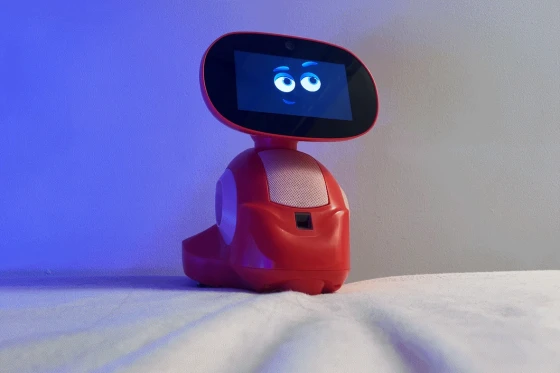
The concept exists because humans naturally communicate through speech. Instead of pressing buttons or using complex programming interfaces, users can simply give verbal instructions. This approach makes robotics more accessible and improves human–machine interaction in homes, workplaces, healthcare settings, and industrial environments.
Voice-controlled robots often integrate technologies such as:
-
Artificial Intelligence (AI)
-
Machine Learning (ML)
-
Natural Language Processing (NLP)
-
Cloud Computing
-
Edge Computing
Common examples include home assistant robots, industrial robotic arms with voice commands, educational robots, and healthcare support robots. Platforms like Amazon Alexa and Google Assistant demonstrate how voice interfaces can manage tasks, though dedicated robots go further by performing physical actions in response to speech.
Why Voice-Controlled Smart Robots Matter Today
Voice-controlled robotics is becoming increasingly relevant due to rapid growth in AI development and automation technologies.
Improved Accessibility
Voice interaction benefits individuals who may find touchscreens or keyboards difficult to use. This includes elderly users, children, and people with physical disabilities. Speech-based systems lower barriers to digital access.
Operational Efficiency in Industry
In manufacturing and logistics, voice commands can streamline workflow. Workers may instruct machines without interrupting manual tasks. This reduces downtime and improves productivity in automated environments.
Hands-Free Operation
In healthcare and laboratories, hands-free control supports hygiene and safety. Medical staff can interact with robotic tools without direct contact, which may help reduce contamination risks.
Smart Home Integration
Voice-controlled robots integrate with Internet of Things (IoT) devices. They can manage lighting, temperature, and security systems through spoken commands, creating coordinated smart environments.
Below is a simplified comparison of interaction methods:
| Interaction Method | User Effort | Learning Curve | Accessibility Level |
|---|---|---|---|
| Manual Controls | Moderate | Medium | Limited |
| Touch Interface | Low | Low | Moderate |
| Voice Commands | Very Low | Low | High |
The growing interest in robotics research and AI-driven automation also increases the demand for high-performance computing, cybersecurity frameworks, and cloud-based data processing solutions—topics often associated with high CPC keywords such as artificial intelligence software, machine learning platforms, cloud infrastructure solutions, enterprise automation systems, and cybersecurity compliance tools.
Recent Developments and Technology Trends
Recent developments in robotics and AI have improved the capabilities of voice-controlled systems.
Advances in Natural Language Processing
Large language models and advanced NLP algorithms now enable robots to interpret more complex instructions. Instead of responding only to fixed commands, newer systems can process conversational language.
Edge AI Integration
Edge computing allows voice data to be processed locally on the device instead of entirely in the cloud. This improves response speed and enhances data privacy by limiting external data transmission.
Improved Microphone and Sensor Arrays
Newer robots use multi-directional microphones and noise-cancellation technology. These improvements enhance speech recognition accuracy in noisy environments such as factories or busy households.
Collaborative Robotics (Cobots)
Collaborative robots increasingly integrate voice features to work safely alongside humans. These systems are designed to pause or adjust movement when detecting obstacles or unexpected speech commands.
Cybersecurity Focus
With connected robotics expanding, attention to data protection and cybersecurity compliance has increased. Developers are implementing encryption standards and secure authentication protocols to reduce risks.
These developments reflect broader trends in AI development platforms, enterprise software integration, and intelligent automation systems.
Laws, Policies, and Regulatory Considerations
Voice-controlled smart robots operate within broader technology and data governance frameworks. Regulations generally address data privacy, AI transparency, safety, and cybersecurity.
Data Protection Regulations
Since voice-controlled robots process spoken data, they must comply with data privacy laws that regulate personal information collection and storage. These rules typically require:
-
User consent before recording or storing voice data
-
Clear disclosure of how data is processed
-
Secure storage and encryption practices
AI Governance Guidelines
Governments and regulatory bodies are increasingly publishing AI ethics and governance frameworks. These focus on fairness, transparency, accountability, and risk management in AI systems.
Workplace Safety Standards
Industrial robots must comply with occupational safety regulations. This includes ensuring that machines operate within approved safety limits and have emergency stop mechanisms.
Telecommunications and Device Certification
Wireless communication components in smart robots may require certification to ensure they meet electromagnetic and communication standards.
Organizations implementing robotics often consult compliance documentation, risk assessment templates, and cybersecurity frameworks to align with applicable policies.
Tools and Resources for Understanding and Using Voice-Controlled Robots
Various platforms and tools support learning, development, and evaluation of voice-controlled robotics systems.
Development Platforms
-
AI development frameworks for speech recognition
-
Machine learning platforms for training voice models
-
Robotics simulation software for testing automation systems
Cloud and Edge Services
-
Cloud computing platforms for processing voice data
-
Edge AI hardware modules for local speech analysis
Educational Resources
-
Online robotics courses
-
AI and machine learning certification programs
-
Technical documentation from robotics manufacturers
Testing and Evaluation Tools
-
Speech recognition accuracy testing tools
-
Audio calibration software
-
Cybersecurity vulnerability assessment tools
Frequently Asked Questions
What is a voice-controlled smart robot?
A voice-controlled smart robot is a machine that uses speech recognition and artificial intelligence to interpret spoken commands and perform actions based on those commands.
How does speech recognition work in robots?
Speech recognition converts audio signals into digital text using AI algorithms. The system then analyzes the text through natural language processing to determine the intended action.
Are voice-controlled robots secure?
Security depends on system design. Many robots use encryption, authentication methods, and secure cloud infrastructure to protect data. Compliance with cybersecurity standards is important.
Can voice-controlled robots function without internet access?
Some robots use edge computing to process commands locally. Others rely on cloud computing for advanced processing. Functionality varies depending on design.
Where are voice-controlled robots commonly used?
They are used in homes, healthcare, education, logistics, research labs, and manufacturing environments.
Practical Tips for Responsible Use
-
Review privacy settings before enabling voice recording features.
-
Regularly update firmware and software to maintain security.
-
Use strong authentication methods for connected devices.
-
Monitor system logs when available to detect unusual activity.
-
Understand integration limits when connecting with other smart systems.
Organizations evaluating robotic automation systems may conduct feasibility studies, cybersecurity risk assessments, and compliance audits before implementation.
Conclusion
Voice-controlled smart robots represent the convergence of artificial intelligence, speech recognition technology, and advanced automation systems. By allowing machines to understand spoken language, these systems make robotics more accessible and adaptable.
Their importance continues to grow in areas such as healthcare automation, smart home integration, industrial robotics, and AI-powered enterprise solutions. As technology evolves, improvements in edge computing, data security, and natural language processing are expanding the potential applications of voice interaction.
At the same time, compliance with data protection regulations and safety standards remains essential. Understanding both the technical capabilities and regulatory environment helps individuals and organizations make informed decisions.