Virtual Fashion: Exploring Digital Clothing and Metaverse Style
Virtual fashion refers to clothing and accessories that exist only in digital environments. These items are created using computer graphics and are designed to be worn by digital avatars in online platforms, games, virtual worlds, and social spaces. As virtual environments grow, so does the concept of digital fashion, which includes virtual clothing, accessories, and entire collections created for online identities.
The idea of metaverse fashion developed as digital worlds began offering immersive environments where users interact through avatars. In these environments, users can express identity and style through metaverse clothing just as they do in physical spaces. Digital garments can appear in video games, social platforms, virtual events, and augmented reality experiences.
Advances in 3D design software, blockchain technology, and immersive platforms have contributed to the growth of fashion in the metaverse. Designers now experiment with garments that are difficult or impossible to create in physical form, such as animated fabrics, floating textures, and physics-defying silhouettes.
Virtual fashion also intersects with industries such as gaming, digital media, entertainment, and technology. The expansion of virtual worlds has made digital clothing part of the broader digital economy and creative ecosystem.
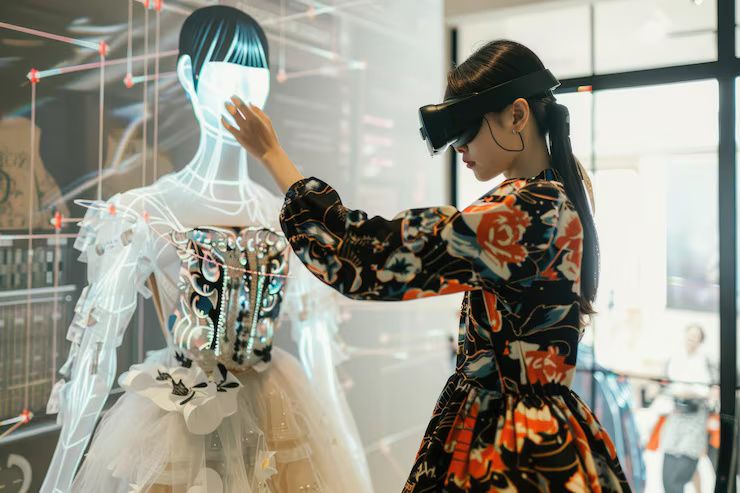
Why Virtual Fashion Matters Today
The rise of virtual fashion reflects a shift in how people interact with digital environments. As social interaction, entertainment, and work increasingly occur online, personal expression has extended into virtual spaces.
Several factors explain why metaverse fashion is gaining attention.
First, digital identities have become more important. Many people maintain avatars or digital profiles in games and virtual communities. Virtual clothing allows individuals to personalize these identities and communicate style preferences in digital spaces.
Second, digital fashion supports creative experimentation. Designers can explore materials, shapes, and effects that may not be possible in physical production. This expands artistic possibilities and allows fashion design to merge with animation, visual effects, and interactive media.
Third, fashion in the metaverse connects multiple industries. Gaming platforms, entertainment companies, and technology developers increasingly collaborate with fashion designers to create immersive experiences. Virtual concerts, online events, and interactive exhibitions often include themed digital outfits.
Fourth, the concept also addresses environmental conversations within the fashion industry. Traditional clothing production involves manufacturing, transportation, and materials. Digital garments, by contrast, exist purely in virtual environments. While digital infrastructure still requires energy and computing resources, metaverse clothing represents a different model of creative production.
The following table highlights key differences between traditional fashion and digital fashion.
| Aspect | Traditional Fashion | Digital Fashion |
|---|---|---|
| Production | Physical materials and manufacturing | 3D modeling and digital rendering |
| Usage | Physical clothing worn in real life | Virtual clothing worn by avatars |
| Distribution | Retail stores and supply chains | Online platforms and virtual environments |
| Design Possibilities | Limited by material and physics | Can include animation, effects, and unreal materials |
Another reason for growing interest is the expansion of virtual platforms where digital identities exist.
Examples of environments using metaverse clothing include:
-
Online multiplayer games
-
Virtual social platforms
-
Augmented reality applications
-
Virtual events and digital exhibitions
-
Online avatar-based communities
These environments encourage people to adopt digital style choices, increasing interest in virtual clothing and digital fashion design.
Recent Updates and Trends in Metaverse Fashion
Over the past year, several developments have influenced the growth of metaverse fashion and digital clothing ecosystems.
Growth of AI-assisted fashion design (2025–2026)
Artificial intelligence tools are increasingly used to generate digital garments and assist designers with pattern generation, fabric simulation, and style concepts. AI-based design platforms have expanded rapidly since 2025, allowing creators to produce virtual fashion collections more efficiently.
Expansion of avatar customization platforms (2025)
Throughout 2025, many gaming and social platforms improved avatar personalization systems. These updates made it easier for users to apply virtual clothing and change digital outfits across different environments.
Cross-platform digital identities (late 2025)
Technology companies began experimenting with systems that allow avatars and digital assets to move across multiple virtual spaces. This trend could enable users to carry the same metaverse clothing between compatible platforms.
Growth of virtual runway events (2025–2026)
Several virtual fashion shows and digital exhibitions occurred in immersive environments during 2025 and early 2026. These events showcased experimental digital fashion collections and interactive experiences where attendees explore garments in 3D environments.
Integration of augmented reality fashion (2025)
AR filters and mobile applications increasingly allow people to visualize virtual clothing on themselves through smartphone cameras. This technology bridges physical and digital fashion experiences.
The following timeline summarizes key developments.
| Year | Development |
|---|---|
| 2024 | Increasing collaboration between gaming and fashion industries |
| 2025 | Expansion of AI-assisted digital clothing design |
| 2025 | Virtual fashion shows hosted in immersive environments |
| Late 2025 | Experiments with cross-platform avatars and assets |
| 2026 | Continued growth of metaverse fashion ecosystems |
These changes indicate that fashion in the metaverse is evolving alongside broader advances in digital technology.
Laws and Policies Affecting Virtual Fashion
Although virtual fashion is a relatively new concept, it is influenced by several existing legal frameworks. Governments and regulatory bodies typically address digital assets through broader laws related to technology, intellectual property, and online platforms.
One major area is intellectual property rights. Digital clothing designs may be protected under copyright or design law in many countries. Designers creating digital fashion collections often rely on these protections to safeguard creative work.
Another important topic involves digital asset ownership. Some virtual clothing items are associated with blockchain technology or tokenized digital assets. Regulations in different countries address how these assets are classified and monitored.
In India and several other jurisdictions, digital assets are often regulated under broader financial and technology frameworks rather than specific metaverse legislation.
Relevant policy areas affecting metaverse clothing include:
-
Intellectual property protection for digital designs
-
Data privacy laws governing virtual platforms
-
Digital asset taxation frameworks
-
Online platform governance and moderation policies
-
Consumer protection rules for digital marketplaces
For example, digital asset taxation rules introduced in India in recent years affect certain blockchain-based transactions connected to virtual assets. While these policies are not designed specifically for digital fashion, they influence how virtual goods ecosystems operate.
Another policy area involves data protection and online safety regulations, which affect how virtual platforms handle user information, avatars, and digital identities.
As fashion in the metaverse grows, policymakers in many regions are monitoring emerging challenges related to digital ownership, cross-platform interoperability, and intellectual property enforcement.
Tools and Resources for Digital Fashion and Metaverse Clothing
Creating and managing virtual fashion requires specialized digital tools used by designers, developers, and digital artists. These tools typically focus on 3D modeling, garment simulation, animation, and avatar customization.
Common categories of tools include:
3D Fashion Design Software
-
Used to design digital garments with fabric simulation
-
Allows creators to visualize clothing in realistic motion
-
Supports digital pattern creation and garment structure
Game Engine Platforms
-
Render virtual environments and avatars
-
Used to integrate metaverse clothing into interactive spaces
-
Support real-time graphics and animation
Digital Asset Marketplaces
-
Platforms where designers publish and distribute digital fashion assets
-
Allow creators to share or showcase virtual collections
Augmented Reality Fashion Tools
-
Enable visualization of virtual clothing using smartphone cameras
-
Used for social media filters and AR experiences
Avatar Creation Platforms
-
Systems that allow users to design customizable digital identities
-
Support clothing layers, accessories, and style variations
The table below summarizes common tool categories used in digital fashion design.
| Tool Category | Purpose |
|---|---|
| 3D Design Software | Creating digital garments and textures |
| Game Engines | Integrating clothing into virtual worlds |
| AR Platforms | Visualizing clothing using augmented reality |
| Asset Marketplaces | Sharing digital fashion collections |
| Avatar Systems | Customizing digital identities |
Learning resources such as online design tutorials, digital art communities, and fashion technology courses also help individuals understand the technical and creative aspects of metaverse fashion.
Frequently Asked Questions About Virtual Fashion
1. What is virtual fashion?
Virtual fashion refers to clothing and accessories designed for digital environments. These items exist as 3D models and are worn by avatars in virtual worlds, games, and online platforms.
2. What is the difference between digital fashion and traditional fashion?
Traditional fashion involves physical garments made from materials such as fabric and textiles. Digital fashion, on the other hand, consists of computer-generated clothing that exists only in virtual environments.
3. What is fashion in the metaverse?
Fashion in the metaverse refers to clothing, accessories, and styling created for avatars in immersive virtual spaces. It allows users to express identity and style in digital worlds.
4. How are digital clothes created?
Digital clothes are typically designed using 3D modeling software and garment simulation tools. Designers create textures, patterns, and animations that simulate real or imaginative materials.
5. Can virtual clothing be used across different platforms?
Some platforms are experimenting with cross-platform avatars and digital assets. However, compatibility between platforms varies, and not all metaverse clothing can move between environments.
Conclusion
Virtual fashion represents an evolving intersection of technology, creativity, and digital culture. As online environments expand, people increasingly express identity and style through digital fashion and virtual clothing.
The development of immersive platforms, AI-assisted design tools, and avatar customization systems has contributed to the growth of metaverse fashion. These technologies allow designers and users to explore clothing concepts beyond physical limitations.
At the same time, policy discussions surrounding digital assets, intellectual property, and platform governance continue to shape how fashion in the metaverse develops globally. Legal frameworks and technology standards will likely influence the long-term structure of digital fashion ecosystems.
While still developing, metaverse clothing highlights how fashion can adapt to digital environments and emerging forms of online interaction. As virtual spaces evolve, digital identity and creative expression will remain central to the ongoing development of virtual fashion.