Vertical Axis Wind Turbines: Overview, Basics, and Essential Knowledge Guide
Vertical Axis Wind Turbines (VAWTs) are a type of wind power technology designed to convert wind energy into electricity. Unlike traditional horizontal turbines, their main rotor shaft stands vertically. This design allows them to capture wind from any direction without needing to rotate toward the wind.
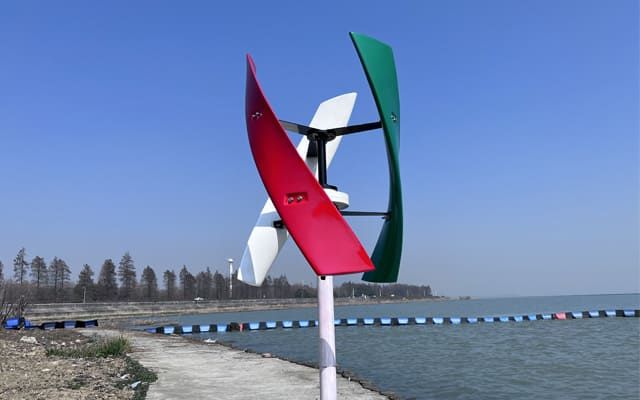
VAWTs were developed to address certain limitations found in conventional wind turbines, particularly in areas where wind direction is variable or space is limited. They are often discussed within renewable energy systems and sustainable infrastructure planning because they can operate closer to the ground and in urban or semi-urban environments.
There are two primary types:
-
Darrieus turbines, which use curved blades and operate through aerodynamic lift.
-
Savonius turbines, which use scoop-shaped blades and operate through drag forces.
Both designs aim to support distributed energy generation and contribute to the broader green energy transition.
Why Vertical Axis Wind Turbines Matter Today
The global focus on clean energy solutions and energy efficiency solutions has increased the importance of alternative wind power technologies. VAWTs play a specific role in this landscape.
One of their main advantages is adaptability. Because they do not rely on a yaw mechanism to align with wind direction, they perform well in turbulent wind conditions often found in cities or near buildings. This makes them relevant for:
-
Urban renewable energy projects
-
Remote or off-grid power systems
-
Small-scale wind turbines for research and education
-
Hybrid renewable systems paired with solar panels
In densely populated regions, space constraints and safety concerns can limit the installation of large horizontal turbines. VAWTs, being generally lower in height and quieter in operation, can sometimes address these concerns.
They also support microgrid development and decentralized power models. Instead of relying entirely on centralized power plants, communities can integrate small renewable units, improving resilience and reducing transmission losses.
From an environmental perspective, VAWTs contribute to reduced greenhouse gas emissions by generating electricity without combustion. Their slower blade speeds may also reduce risks to birds compared to some high-speed horizontal turbines, although environmental impact assessments are still necessary.
Comparison of Vertical and Horizontal Wind Turbines
| Feature | Vertical Axis Wind Turbine | Horizontal Axis Wind Turbine |
|---|---|---|
| Rotor Orientation | Vertical | Horizontal |
| Wind Direction Requirement | Accepts any direction | Must face wind |
| Common Installation Location | Urban, rooftops, small plots | Open fields, offshore |
| Maintenance Accessibility | Ground-level components | Elevated nacelle |
| Typical Application Scale | Small to medium | Medium to large-scale |
This comparison highlights that VAWTs are often suited for specialized applications rather than replacing large wind farms.
Recent Developments and Technology Trends
In the past year, research institutions and renewable energy companies have continued refining vertical axis wind turbine designs to improve efficiency and durability.
Key trends include:
-
Advanced composite materials: Lightweight and corrosion-resistant materials have improved turbine lifespan and structural strength.
-
Helical blade designs: Modern helical Darrieus models aim to reduce vibration and provide smoother torque output.
-
Integration with smart grid systems: Sensors and monitoring tools now allow better data tracking, predictive maintenance, and performance analytics.
-
Hybrid renewable systems: Projects increasingly combine VAWTs with solar photovoltaic systems to stabilize output in mixed weather conditions.
-
Urban pilot programs: Several cities have tested rooftop or building-integrated wind systems to evaluate feasibility in dense environments.
Academic research published in recent months has focused on improving aerodynamic modeling using computational fluid dynamics (CFD). These studies aim to enhance power coefficients and reduce mechanical stress.
While VAWTs still generally produce less electricity than large horizontal turbines, innovation is narrowing the efficiency gap for small-scale applications.
Policies and Regulatory Considerations
Vertical axis wind turbines operate within broader renewable energy and environmental regulatory frameworks. Although policies vary by region, common regulatory aspects include:
-
Zoning and land-use rules: Local authorities often regulate turbine height, placement, and noise levels.
-
Environmental assessments: Projects may require evaluation of ecological impact, especially in sensitive habitats.
-
Grid interconnection standards: Utilities set technical requirements for connecting distributed energy generation systems.
-
Renewable energy incentives: Government programs may support renewable energy systems through tax credits, feed-in tariffs, or research grants.
-
Building codes: Rooftop installations must comply with structural safety and load-bearing regulations.
National energy transition plans frequently include wind energy targets, and while horizontal wind farms dominate large-scale production, small-scale wind turbines can qualify under distributed energy or microgeneration programs.
Compliance with electrical safety standards and certification requirements is essential to ensure safe integration into existing infrastructure.
Basic Working Principle Explained
A simplified explanation of how a vertical axis wind turbine works:
-
Wind flows across the blades.
-
The aerodynamic or drag force causes the rotor to spin.
-
The rotating shaft drives a generator.
-
The generator converts mechanical energy into electrical energy.
-
The electricity is either stored in batteries or supplied to a grid system.
Below is a simplified performance relationship illustration:
| Wind Speed (m/s) | Relative Power Output (%) |
|---|---|
| 3 | 10 |
| 5 | 35 |
| 8 | 70 |
| 12 | 100 |
Power output generally increases with wind speed, though it is limited by turbine design and safety mechanisms.
Tools and Resources for Learning and Planning
Individuals and organizations exploring wind power technology can use several educational and analytical resources.
Helpful tools include:
-
Wind Resource Maps: Meteorological databases providing average wind speed data.
-
Renewable Energy Calculators: Online tools to estimate potential energy production based on wind speed and rotor size.
-
Simulation Software: CFD modeling tools used in engineering studies.
-
Energy Monitoring Platforms: Applications that track output, efficiency, and system health.
-
Open Data Portals: Government and research databases sharing renewable energy statistics.
-
Technical Standards Publications: Documents outlining installation and safety guidelines.
Educational institutions often provide publicly accessible research papers and engineering case studies that explain aerodynamic modeling and performance optimization in detail.
Frequently Asked Questions
What makes vertical axis wind turbines different from horizontal ones?
VAWTs have a vertical rotor shaft and can capture wind from any direction without reorientation. Horizontal turbines require alignment with wind direction.
Are vertical axis wind turbines suitable for urban areas?
They can be more adaptable in turbulent wind conditions and compact spaces, which makes them suitable for certain urban renewable energy projects, subject to local regulations.
Do VAWTs generate as much electricity as large wind farm turbines?
Typically, they produce less electricity than large horizontal turbines. They are generally designed for small to medium-scale applications.
Are vertical axis wind turbines environmentally friendly?
They generate electricity without fuel combustion, contributing to reduced emissions. Environmental impact depends on installation location and project scale.
Can vertical axis wind turbines work with other renewable systems?
Yes, they are often integrated with solar panels or battery storage systems in hybrid renewable energy solutions.
Conclusion
Vertical Axis Wind Turbines represent a specialized segment of wind power technology within the broader renewable energy systems landscape. Their unique vertical design allows operation in variable wind directions and makes them suitable for distributed energy generation, urban projects, and small-scale applications.
Although they may not replace large horizontal wind farms for bulk electricity production, ongoing research, material advancements, and smart grid integration continue to improve their performance and reliability.
As governments strengthen clean energy solutions through regulatory frameworks and sustainability initiatives, VAWTs remain a relevant component of the green energy transition. Understanding their basics, benefits, regulatory environment, and technological developments helps individuals and organizations make informed decisions about sustainable infrastructure planning.