Vehicle Alignment Machines Comparison: Guide, Insights, Tips, and Practical Knowledge
Vehicle alignment machines are specialized tools used to measure and adjust the angles of a vehicle’s wheels so they meet manufacturer specifications. These machines ensure proper positioning of the wheels relative to each other and the road surface, which directly affects tire wear, fuel efficiency, and overall driving safety.
In recent years, the importance of accurate wheel alignment has grown due to advancements in vehicle design, including electric vehicles (EVs), advanced driver assistance systems (ADAS), and precision suspension systems. Modern vehicles require tighter tolerances, making traditional manual alignment methods less reliable compared to digital and automated systems.
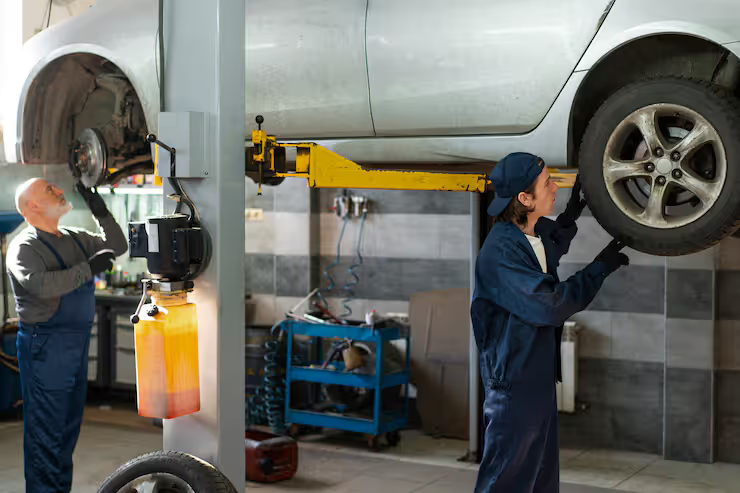
The comparison of different vehicle alignment machines matters today because workshops, fleet operators, and service centers must choose equipment that balances accuracy, speed, cost, and compatibility with newer vehicle technologies. Trends such as 3D imaging, AI-assisted diagnostics, and cloud-based reporting are shaping how alignment machines operate, improving efficiency while reducing human error. As the automotive industry evolves, understanding these machines becomes essential for informed decision-making.
Who It Affects and What Problems It Solves
Vehicle alignment machines impact a wide range of stakeholders, including automotive repair shops, tire service centers, fleet management companies, and vehicle manufacturers. Even individual vehicle owners are indirectly affected, as alignment accuracy influences vehicle performance, safety, and maintenance costs.
For service providers, selecting the right alignment machine can determine operational efficiency. High-end systems reduce alignment time and improve diagnostic accuracy, allowing workshops to handle more vehicles daily. For fleet operators, consistent alignment ensures reduced tire wear and better fuel economy across multiple vehicles, which can lead to significant cost savings over time.
Problems It Solves
- Uneven Tire Wear: Misaligned wheels cause tires to wear unevenly, leading to frequent replacements.
- Poor Fuel Efficiency: Incorrect alignment increases rolling resistance, reducing fuel efficiency.
- Steering Issues: Vehicles may pull to one side, making driving uncomfortable and unsafe.
- Component Damage: Suspension and steering components can wear out faster due to misalignment.
- Reduced Safety: Improper alignment affects braking and handling, especially at high speeds.
Recent Updates and Trends
The past year has seen notable advancements in vehicle alignment technology, driven by increasing vehicle complexity and digital integration.
- 3D Alignment Systems Expansion: Many workshops are adopting 3D camera-based alignment systems, which provide faster and more accurate measurements compared to traditional CCD (Charge-Coupled Device) systems.
- ADAS Integration: Alignment machines are now often integrated with ADAS calibration tools, ensuring sensors like lane assist and adaptive cruise control function correctly after alignment.
- AI and Automation: Some modern systems use artificial intelligence to suggest alignment corrections, reducing technician dependency.
- Cloud Connectivity: Data storage and reporting have shifted to cloud-based platforms, enabling remote diagnostics and performance tracking.
- Electric Vehicle Compatibility: EV-specific alignment requirements, such as weight distribution and battery placement, are influencing machine design.
These updates reflect a shift toward smarter, faster, and more connected alignment solutions.
Comparison Table of Vehicle Alignment Machines
| Feature | CCD Alignment Machines | 3D Alignment Machines | Laser Alignment Systems |
|---|---|---|---|
| Measurement Technology | Sensors (CCD cameras) | 3D imaging cameras | Laser beams |
| Accuracy | Moderate | High | Basic to Moderate |
| Setup Time | Medium | Fast | Slow |
| Cost Range | Medium | High | Low |
| Maintenance | Moderate | Low | Low |
| Ease of Use | User-friendly | Advanced but intuitive | Requires manual skill |
| ADAS Compatibility | Limited | High | Not compatible |
| Ideal Use Case | Small to mid workshops | High-volume service centers | Basic garages |
Laws and Policies Affecting Vehicle Alignment Machines
Vehicle alignment practices are influenced by safety regulations, environmental policies, and automotive standards set by governments and regulatory bodies.
In countries like India, vehicle safety standards are guided by organizations such as the Ministry of Road Transport and Highways (MoRTH). While alignment machines themselves are not directly regulated, their usage is indirectly governed through vehicle fitness standards and emission norms. Proper alignment contributes to better fuel efficiency and lower emissions, aligning with environmental policies like Bharat Stage (BS) emission standards.
Practical Guidance
- For Workshops: Ensure alignment machines meet calibration standards and are regularly maintained to comply with safety inspections.
- For Fleet Operators: Regular alignment checks help meet emission compliance and reduce operational costs.
- For High-Tech Vehicles: Use machines compatible with ADAS calibration to meet modern safety requirements.
In some regions, periodic vehicle inspections may require proof of proper wheel alignment, especially for commercial vehicles.
Tools and Resources
Several tools and resources can support the effective use of vehicle alignment machines:
- Alignment Software Platforms: Provide real-time diagnostics and reporting
- ADAS Calibration Tools: Essential for modern vehicles with sensor-based systems
- Vehicle Specification Databases: تحتوي manufacturer alignment specifications
- Mobile Apps for Technicians: تساعد في accessing alignment data and tutorials
- Training Programs: Offered by automotive institutes for skill development
- Diagnostic Scanners: Help identify issues related to suspension and steering
These resources enhance the accuracy and efficiency of alignment processes.
Frequently Asked Questions (FAQ)
What is a vehicle alignment machine?
A vehicle alignment machine is a tool used to measure and adjust wheel angles to ensure they match manufacturer specifications for optimal performance and safety.
Which type of alignment machine is most accurate?
3D alignment machines are generally considered the most accurate due to their advanced imaging technology and real-time data processing.
How often should wheel alignment be checked?
It is typically recommended every 5,000 to 10,000 kilometers or when signs like uneven tire wear or steering issues appear.
Are alignment machines necessary for all vehicles?
Yes, proper alignment is essential for all vehicles to maintain safety, efficiency, and tire longevity.
Can alignment machines handle electric vehicles?
Modern alignment machines, especially 3D systems, are designed to handle electric vehicles and their unique requirements.
Conclusion
Vehicle alignment machines play a critical role in maintaining vehicle safety, performance, and efficiency. The comparison between CCD, 3D, and laser alignment systems highlights clear differences in accuracy, cost, and application. While CCD systems offer a balanced approach for mid-sized workshops, 3D alignment machines stand out for their precision, speed, and compatibility with modern vehicle technologies such as ADAS and EV systems.
Data and industry trends indicate a strong shift toward 3D and AI-integrated alignment solutions, driven by the need for higher accuracy and faster service times. For high-volume service centers and advanced automotive environments, investing in 3D alignment systems is a practical and future-ready choice. However, smaller workshops may still find CCD systems sufficient depending on their workload and budget.
Ultimately, the best choice depends on operational needs, vehicle types serviced, and long-term scalability. Selecting the right alignment machine ensures better service quality, reduced maintenance costs, and improved road safety.