Understanding Viral Vector Manufacturing
Viral vector production is a biotechnology process in which the modified virus is produced and used to provide medical genetic materials in human cells. These vectors are designed to be non-infectious and designed to treat various diseases by correcting or replacing genetic functions inside the body.
Viral vector technology plays an important role in the growing field of advanced treatments. The importance has increased due to global growth, personal medicine and the need for innovative solutions for already untreated conditions in gene therapy tests.
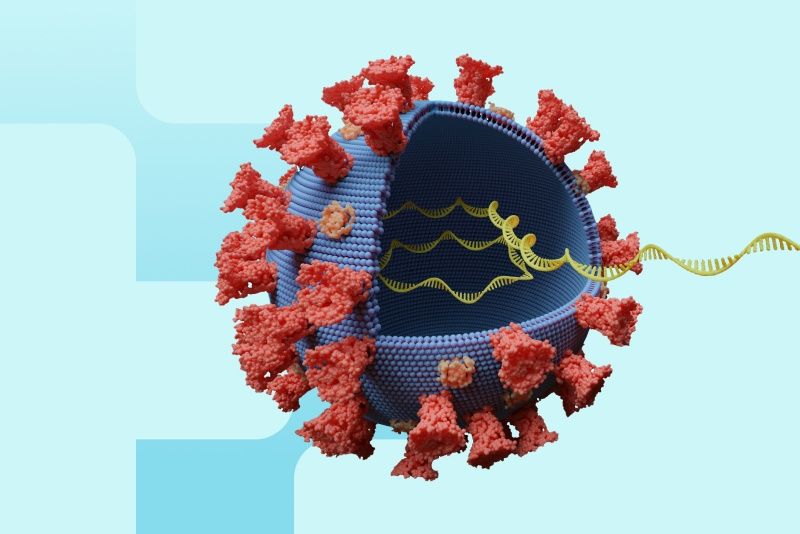
This affects many groups:
- Patient: Especially with genetic disorders, rare diseases or cancer.
- Pharmaceutical companies: that develops state -Art -art -therapy.
- Healthcare professionals: Those who need reliable and secure treatment methods.
- Governments: Public health plan and biomedical innovation.
Solves problems:
- Distributes the gene directly to the affected cells and treats diseases at the root level.
- The vaccine enables the production of the vector.
- Supports Cell Therapy Innovations such as CAR-T for Cancer.
Scalable, without reliable viral vector production, this treatment cannot reach patients.
Recent Developments and Trends in Viral Vector Manufacturing
1. Market growth
The viral vector production market has seen strong growth. In recent years, it received a price of around $ 1.5 billion globally and is expected to increase significantly over the next decade, driven by gene therapy approval and increase in demand for vaccine.
2. Treat innovation
New methods such as suspension cell culture, automation and better treatment techniques make vector production more scalable and cost -effective. The use of HEK293 cells and adaptation of several areas have improved dividends and stability.
3. Regulatory speed
More gene therapy receives approval. Agencies undergo fast tracking of treatment for rare and severe diseases, making viral vectoral compliance more important.
4. Investment and participation
Biotech companies are collaboration with its own production or CDMO (contract development and production organizations) to secure their vector supply chains.
Regulatory Guidelines and Compliance Requirements
Viral vector production is tightly regulated to ensure safety, consistency, and efficacy. Guidelines vary by country, but core principles remain the same.
Large regulatory items:
- GMP (good production exercise): All clinical and commercial vector is crucial for production.
- CMC (chemistry, production and control): Detailed documents cover how the vectors are made, controlled and tested.
Tresquity and Documentation: Full Batch Records and Tracability are mandatory.
U.S. In, the FDA vector monitors the rules. In the EU, the European Medicine Agency plays a similar role. Other areas are designed to live with rapid growth of geneper solutions.
Many governments support the region through grants, infrastructure development and inclusion in national biotechnological strategies.
Tools and Resources for Viral Vector Manufacturing
Several tools and platforms are essential for those involved in viral vector production. These help ensure efficiency, safety, and compliance.
General equipment and services:
- Bior actors: The vector is used to grow cells that produce.
- Regular reagent: Enable DNA distribution in production cells
- Chromatography System: Pure vector from host cell materials.
- Quality control analyzes: Test purity, strength and sterility.
- Process -Simulation software: optimizes models and workflows.
- Regulatory template: Help companies prepare for auditing and submission.
- CMO/CDMO Services: Provide complete production support for infrastructure shortages.
Frequently Asked Questions (FAQs)
Q1: Who used virus vectors?
A: They are used to distribute therapeutic genes in cells to treat genetic disorders, develop vaccines and to support cancer treatments.
Q2: Are viral vectors safe for patients?
A: Yes, the viral vectors used in treatments are modified to remove harmful properties. Safety testing is an important part of the development.
Q3: What is the difference between AAV and Lentiviral vector?
A: AAV vectors are suitable for long-term manifestation in non-acquired and non-distributed cells. Lentitivial vectors are integrated into the genome and are ideal for sharing cells and pre -vivo applications.
Q4: Why is viral vector production expensive?
A: This includes complex biological processes, special equipment and strict quality control, all of which increase costs.
Q5: Can virus vectors be reused?
A: No, viral vectors are products designed for specific applications and patients.
Final thoughts
Viral vector production is the cornerstone of modern medicine. With the demand for genes and cell therapy, scalable and secure vector production is more necessary than before. From regulatory farming to technological innovations, the region continues to grow rapidly. As awareness and investment expansion globally, viral vector production will be important for the future of personal health.