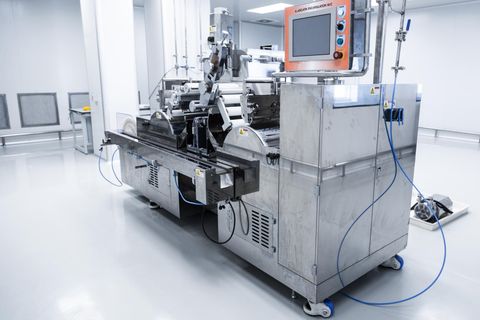
Understanding Vertical Machining Centers and Modern Programming Techniques
A vertical machining center (VMC) is a type of computer-controlled machine used in manufacturing to shape, cut, and drill materials such as metal and plastic. In this system, the spindle axis is vertically aligned, which makes it suitable for precision operations and detailed machining tasks. Over time, the vertical machining center has become a foundational tool in industries like automotive, aerospace, electronics, and tooling.
The development of VMC programming emerged alongside computer numerical control (CNC) technology. Instead of manually operating machines, manufacturers now rely on programmed instructions to guide tools with high accuracy. This shift has enabled consistent production, reduced human error, and improved efficiency.
A compact vertical machining center is often used in smaller workshops or facilities where space optimization is important. These machines deliver similar functionality but are designed for limited floor areas, making them practical for diverse production environments.
Modern advancements have also introduced IoT in machining centers, allowing machines to connect to networks, share data, and support predictive maintenance. This integration helps manufacturers monitor performance and optimize operations in real time.
Importance – Why This Topic Matters Today
The relevance of precision vertical machining center technology has grown significantly due to increasing demand for accuracy, efficiency, and scalability in manufacturing.
Manufacturers today face several challenges, including:
- The need for consistent product quality
- Pressure to reduce production time
- Increasing complexity in component design
- Demand for digital integration and automation
VMC programming plays a critical role in addressing these challenges. By using structured code (often G-code and M-code), operators can automate machining tasks, ensuring repeatability and reducing dependency on manual intervention.
This topic affects a wide range of stakeholders:
- Engineers and machine operators who rely on accurate programming
- Manufacturing companies aiming for operational efficiency
- Educational institutions training students in CNC technologies
- Small workshops adopting compact vertical machining center solutions
The integration of IoT in machining centers also introduces benefits such as:
- Real-time monitoring of machine performance
- Predictive maintenance to avoid downtime
- Data-driven decision-making
- Improved resource utilization
In essence, modern VMC programming and technology help bridge the gap between traditional manufacturing and smart, connected production systems.
Recent Updates – Trends and Developments in the Past Year
The field of vertical machining center technology has seen several updates and trends over the past year, particularly between 2025 and early 2026.
One major development is the increased adoption of smart manufacturing practices. Many manufacturers are integrating IoT in machining centers to enable remote diagnostics and data analytics. This shift supports Industry 4.0 initiatives and enhances production visibility.
Another trend is the improvement in VMC programming software. Modern platforms now include:
- Simulation tools for testing programs before execution
- AI-assisted toolpath generation
- Cloud-based collaboration features
In 2025, several machine tool manufacturers introduced enhanced compact vertical machining center models designed for energy efficiency and reduced footprint. These machines cater to smaller production units while maintaining precision capabilities.
There has also been a growing focus on sustainability. Newer precision vertical machining center systems are designed to minimize energy consumption and reduce material waste.
The table below highlights key trends observed recently:
| Trend Area | Description | Impact on Industry |
|---|---|---|
| IoT Integration | Machines connected for real-time data sharing | Improved monitoring and efficiency |
| AI in Programming | Automated toolpath optimization | Reduced programming time |
| Compact Machine Design | Space-saving VMC systems | Increased accessibility |
| Sustainability Focus | Energy-efficient machining solutions | Lower environmental impact |
| Cloud-Based Systems | Remote access and collaboration tools | Enhanced flexibility |
These updates reflect a broader shift toward intelligent and connected manufacturing environments.
Laws or Policies – Regulatory and Government Influence
Vertical machining center operations are influenced by various regulations and policies, especially in countries with strong manufacturing sectors like India.
In India, initiatives such as “Make in India” and “Digital India” have encouraged the adoption of advanced manufacturing technologies, including CNC and VMC systems. These programs aim to strengthen domestic production capabilities and promote technological innovation.
Key regulatory aspects include:
- Workplace Safety Standards: Operators must follow safety guidelines related to machine operation, protective equipment, and hazard management.
- Environmental Regulations: Manufacturers must comply with rules regarding emissions, waste disposal, and energy usage.
- Skill Development Programs: Government-supported training initiatives focus on CNC and VMC programming skills to improve workforce readiness.
Additionally, compliance with international standards such as ISO certifications ensures that machining processes meet quality and safety benchmarks.
Policies supporting digital transformation also encourage the use of IoT in machining centers, helping industries transition toward smart manufacturing ecosystems.
Tools and Resources – Helpful Platforms and Technologies
Several tools and resources support effective vertical machining center programming and operation. These tools help improve accuracy, efficiency, and learning outcomes.
Common categories include:
- CAD Software (Computer-Aided Design): Used to design components before machining
- CAM Software (Computer-Aided Manufacturing): Converts designs into machine instructions
- Simulation Tools: Allow testing of VMC programming before actual execution
- Machine Monitoring Systems: Enable real-time tracking through IoT in machining centers
- Training Platforms: Provide learning modules for CNC and VMC programming
Below is a simplified comparison of commonly used tools:
| Tool Type | Purpose | Key Benefit |
|---|---|---|
| CAD Software | Design of parts | Accurate modeling |
| CAM Software | Generate toolpaths | Efficient programming |
| Simulation Software | Test machining processes | Error reduction |
| IoT Monitoring Tools | Track machine performance | Predictive maintenance |
| Learning Platforms | Skill development | Knowledge enhancement |
Using these tools together allows manufacturers to create a streamlined workflow, from design to production.
FAQs – Common Questions About VMC and Programming
1. What is VMC programming?
VMC programming refers to the process of creating instructions that control a vertical machining center. These instructions guide the machine’s movements, tool operations, and cutting processes.
2. How is a vertical machining center different from other CNC machines?
A vertical machining center has a vertically oriented spindle, which makes it ideal for tasks like drilling and milling. Other CNC machines may have horizontal or multi-axis configurations.
3. What is the role of IoT in machining centers?
IoT in machining centers enables machines to connect to networks, share performance data, and support real-time monitoring. This helps improve efficiency and reduce downtime.
4. Why are compact vertical machining centers important?
Compact vertical machining center models are designed for smaller spaces while maintaining functionality. They are useful for workshops with limited floor area.
5. What skills are required for VMC programming?
Key skills include understanding G-code, reading technical drawings, using CAD/CAM software, and knowledge of machining processes.
Conclusion
Vertical machining centers have become essential tools in modern manufacturing, enabling precise and efficient production processes. The evolution of VMC programming has transformed how machines operate, shifting from manual control to automated, data-driven systems.
The integration of IoT in machining centers further enhances capabilities by enabling real-time monitoring and predictive maintenance. Meanwhile, compact vertical machining center designs make advanced technology accessible to a wider range of users.
Recent trends, including AI-assisted programming and sustainability-focused innovations, indicate that this field will continue to evolve. Regulatory frameworks and government initiatives also play a role in shaping adoption and ensuring safe, compliant operations.
Understanding these concepts provides a strong foundation for anyone interested in modern manufacturing technologies, whether from a technical, educational, or industrial perspective.