Understanding the Food Production Process: From Raw Materials to Finished Products
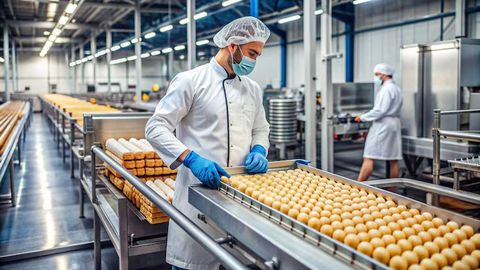
The food production process refers to the complete journey of food, starting from raw materials such as crops, livestock, and marine products, and ending with finished items ready for consumption. This process includes multiple stages such as sourcing, processing, packaging, storage, and distribution.
In modern economies, industrial food production has replaced many traditional methods. This shift allows large volumes of food to be produced efficiently while maintaining consistency and safety standards. Food production systems are designed to meet the needs of growing populations, urbanization, and changing dietary preferences.
Food processing methods play a central role in this system. These methods include physical, chemical, and biological techniques used to transform raw ingredients into edible products. Examples include pasteurization, freezing, fermentation, drying, and packaging.
The existence of structured food production systems ensures that food remains accessible, safe, and stable over time. Without these systems, it would be difficult to meet global food demand or maintain food quality during transportation and storage.
Importance – Why Food Production Matters Today
The food production industry is essential for public health, economic stability, and environmental sustainability. It affects multiple stakeholders, including farmers, manufacturers, distributors, retailers, and consumers.
Key reasons why the food production process is important include:
-
Food Security: Efficient food production systems help ensure a stable supply of food for growing populations.
-
Safety and Quality: Standardized food processing methods reduce contamination risks and maintain nutritional value.
-
Economic Contribution: The food production industry supports millions of livelihoods and contributes significantly to national GDPs.
-
Waste Reduction: Advanced production management systems help minimize food loss during processing and distribution.
-
Global Trade: Processed food products can be transported across regions, supporting international markets.
The system also addresses several challenges:
-
Managing supply chain disruptions
-
Ensuring compliance with food safety standards
-
Reducing environmental impact
-
Meeting consumer demand for transparency and sustainability
Effective food production management ensures coordination between different stages, optimizing resources while maintaining product quality.
Food Production Process Overview
Below is a simplified table showing the main stages involved in food production:
| Stage | Description | Key Methods Used |
|---|---|---|
| Raw Material Sourcing | Collection of agricultural or animal products | Farming, fishing, livestock |
| Processing | converting raw materials into food products | Heating, freezing, fermentation |
| Packaging | Protecting and labeling food products | Vacuum sealing, canning |
| Storage | Maintaining product quality over time | Refrigeration, controlled storage |
| Distribution | Transporting food to markets and retailers | Logistics, cold chain systems |
This structured approach ensures efficiency and consistency across the food production lifecycle.
Recent Updates – Trends and Developments in the Past Year
The food production industry trends have evolved significantly in the past year, driven by technology, sustainability goals, and consumer behavior.
Some notable updates from 2025–2026 include:
-
Automation and AI Integration (2025): Food production systems are increasingly using artificial intelligence to monitor quality, predict demand, and optimize supply chains.
-
Sustainable Processing Methods (2025): There has been a shift toward energy-efficient processing techniques and reduced water usage.
-
Plant-Based and Alternative Proteins (2025–2026): Growth in plant-based food production has influenced processing methods and raw material sourcing.
-
Digital Traceability Systems (2026): Blockchain and digital tracking tools are being used to improve transparency in food production management.
-
Food Safety Monitoring Technologies (2025): Real-time sensors and IoT devices are now used to detect contamination risks during processing and storage.
These trends indicate a move toward smarter, more sustainable, and transparent food production systems.
Laws or Policies – Regulations Affecting Food Production
Food production is heavily regulated to ensure safety, hygiene, and quality. In India, several frameworks govern the food production process.
Key regulatory aspects include:
-
Food Safety Standards: The Food Safety and Standards Authority of India (FSSAI) sets guidelines for food processing, labeling, and hygiene.
-
Licensing Requirements: Food production units must obtain licenses and comply with operational standards.
-
Quality Control Measures: Regular inspections and audits are conducted to ensure compliance.
-
Packaging and Labeling Rules: Products must include ingredient lists, nutritional information, and expiry dates.
-
Environmental Regulations: Policies address waste management, emissions, and sustainable practices in industrial food production.
Government programs also encourage modernization of food production systems through infrastructure development and technology adoption.
Tools and Resources – Supporting Food Production Systems
Various tools and digital solutions support efficient food production management. These tools help improve accuracy, traceability, and operational efficiency.
Commonly used tools and resources include:
-
Food Production Management Software: Helps track inventory, production schedules, and quality control
-
ERP Systems (Enterprise Resource Planning): Integrates different functions such as procurement, processing, and distribution
-
Quality Control Systems: Monitors safety standards and compliance during production
-
Supply Chain Tracking Tools: Enables real-time tracking of raw materials and finished products
-
Data Analytics Platforms: Provides insights into production efficiency and consumer demand
Below is a simple comparison table of tool categories:
| Tool Type | Primary Function | Benefit |
|---|---|---|
| ERP Systems | Integrate business processes | Improved coordination |
| Quality Monitoring Tools | Ensure compliance and safety | Reduced contamination risk |
| Inventory Management Systems | Track raw materials and finished goods | Minimized waste |
| Analytics Platforms | Analyze production data | Better decision-making |
These tools are essential for maintaining efficiency in modern food production systems.
FAQs – Common Questions About Food Production
1. What is the difference between food production and food processing?
Food production includes the entire journey from raw materials to finished products, while food processing focuses specifically on transforming raw ingredients into edible forms.
2. What are the main food processing methods?
Common food processing methods include heating, freezing, drying, fermentation, and packaging. Each method helps preserve food and improve shelf life.
3. Why is industrial food production important?
Industrial food production allows large-scale manufacturing, ensuring consistent supply, safety standards, and affordability for consumers.
4. How do food production systems ensure safety?
They use standardized procedures, quality control checks, and regulatory compliance to prevent contamination and maintain product quality.
5. What are current trends in the food production industry?
Recent trends include automation, sustainable practices, plant-based production, and digital traceability systems.
Conclusion
The food production process is a complex and structured system that transforms raw materials into safe, consumable products. It relies on advanced food processing methods, efficient food production management, and well-designed food production systems to meet global demand.
As the industry evolves, new technologies and sustainability practices are reshaping how food is produced and distributed. Understanding these processes helps individuals appreciate the effort involved in delivering food from farms to tables.
The continued development of the food production industry will play a key role in addressing future challenges such as population growth, resource management, and environmental impact.