Understanding Subsea Pipeline Installation Vessels and Project Lifecycle
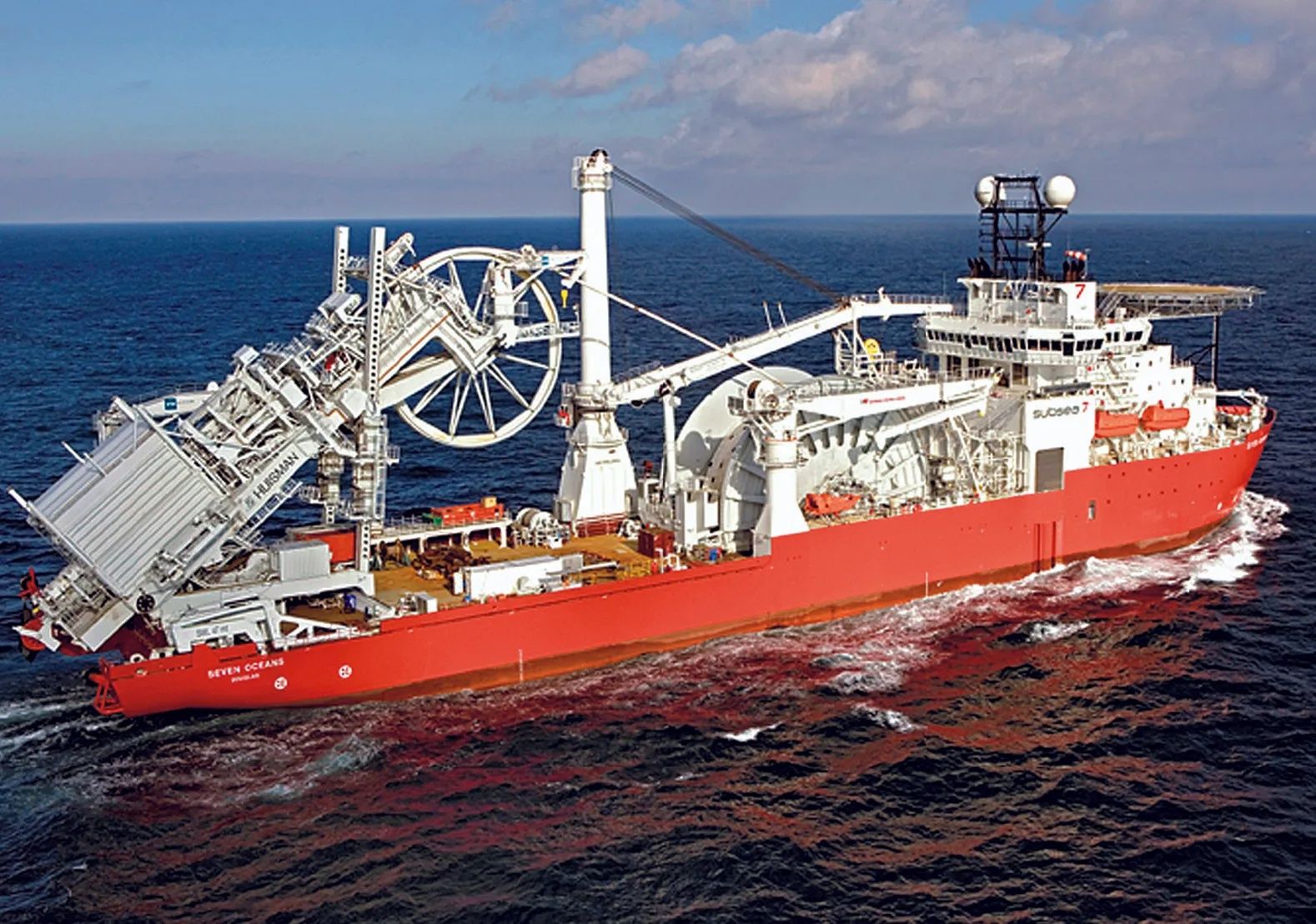
Subsea pipelines are an essential part of global energy infrastructure. They transport oil, gas, and other resources across the seabed from offshore production sites to onshore facilities. To install and maintain these pipelines, specialized vessels and techniques are used. A subsea pipeline installation vessel is designed specifically to lay pipes on the ocean floor, often in deep and challenging environments.
The subsea pipeline installation process involves a sequence of technical steps, from planning and route design to installation and inspection. These operations rely on advanced engineering, precise navigation, and coordination between offshore crews and onshore teams. Alongside installation vessels, subsea pipeline maintenance vessels play a role in ensuring pipelines remain functional and safe over time.
As offshore energy exploration has expanded into deeper waters, the use of pipe laying vessel offshore systems has become more complex. Different pipeline laying methods offshore have been developed to adapt to varying depths, seabed conditions, and environmental factors. Together, these elements form what is known as the subsea pipeline project lifecycle.
Importance
Subsea pipelines are important because they enable the transport of energy resources over long distances beneath the ocean. This reduces the need for surface transport methods such as tankers, which can be affected by weather and traffic conditions.
For everyday people, these pipelines indirectly support energy availability. They contribute to the supply of electricity, fuel, and heating systems. Industries such as manufacturing, transportation, and power generation depend on consistent energy flow, which subsea pipelines help provide.
The importance of subsea pipeline installation vessels and related processes can be understood through several key factors:
- Energy reliability: pipelines allow continuous transport without frequent interruptions
- Environmental considerations: properly installed pipelines reduce the risk of spills compared to some alternatives
- Economic stability: consistent energy supply supports industries and infrastructure
- Technological advancement: offshore engineering innovations often influence other sectors
Subsea pipeline maintenance vessels are also important because pipelines operate in harsh conditions. Over time, corrosion, seabed movement, and marine growth can affect pipeline integrity. Maintenance operations help identify and address these issues before they lead to larger problems.
Recent Updates
From 2024 to 2026, the subsea pipeline sector has seen several trends and developments. One major trend is the increasing use of automation and digital monitoring systems. Modern subsea pipeline installation vessels now integrate sensors and real-time data analysis to improve accuracy during installation.
Another development is the expansion of offshore projects into deeper waters. This has led to improvements in pipeline laying methods offshore, particularly in techniques that allow for greater control over pipe tension and curvature. New materials and coatings are also being used to extend pipeline lifespan.
Environmental monitoring has become more prominent. Operators are placing greater emphasis on minimizing seabed disturbance and monitoring marine ecosystems during installation. This has influenced how the subsea pipeline installation process is planned and executed.
Additionally, there is growing interest in pipelines designed for alternative energy applications, such as transporting hydrogen or carbon dioxide. These projects require adjustments in design and installation techniques, adding new dimensions to the subsea pipeline project lifecycle.
Laws or Policies
Subsea pipeline projects are governed by a range of national and international regulations. These rules are designed to ensure safety, environmental protection, and proper use of marine resources.
In countries with offshore energy activities, regulatory bodies typically oversee pipeline installation and operation. For example, in India, offshore activities are guided by organizations such as the Directorate General of Hydrocarbons (DGH) and environmental authorities. These institutions set requirements for project approvals, environmental impact assessments, and operational safety.
Key regulatory aspects include:
- Environmental impact assessments: projects must evaluate potential effects on marine ecosystems
- Safety standards: pipelines and vessels must meet engineering and operational guidelines
- Inspection requirements: regular monitoring and reporting are required throughout the lifecycle
- Decommissioning rules: pipelines must be safely removed or managed at the end of their use
International conventions also play a role, especially for projects that cross maritime boundaries. These frameworks help ensure consistent practices across different regions.
Tools and Resources
The subsea pipeline installation process relies on a range of tools, technologies, and digital platforms. These resources support planning, execution, and maintenance activities.
Planning and Design Tools
Engineers use specialized software to design pipeline routes and assess seabed conditions. These tools help determine the most suitable pipeline laying methods offshore based on factors such as depth, slope, and soil composition.
Common features include:
- 3D seabed mapping
- Stress and strain simulations
- Route optimization models
Installation Technologies
A pipe laying vessel offshore is equipped with advanced systems to handle and position pipelines. These vessels may use dynamic positioning systems to maintain stability without anchors.
Typical onboard equipment includes:
- Tensioners to control pipe movement
- Welding stations for joining pipe sections
- Monitoring systems for alignment and depth
Maintenance and Inspection Tools
Subsea pipeline maintenance vessels use remotely operated vehicles (ROVs) and autonomous underwater vehicles (AUVs) to inspect pipelines. These devices capture images, measure thickness, and detect anomalies.
Data and Monitoring Platforms
Digital platforms are used to collect and analyze data throughout the subsea pipeline project lifecycle. These systems help track pipeline performance and identify potential issues early.
Example Comparison Table
| Vessel Type | Primary Function | Typical Depth Range | Key Equipment |
|---|---|---|---|
| Subsea pipeline installation vessel | Laying pipelines on seabed | Shallow to deep | Tensioners, welding systems |
| Pipe laying vessel offshore | Transporting and installing pipes | Medium to deep | Dynamic positioning, cranes |
| Subsea pipeline maintenance vessels | Inspection and repair operations | All depths | ROVs, inspection tools |
FAQs
What is a subsea pipeline installation vessel?
A subsea pipeline installation vessel is a specialized ship designed to lay pipelines on the ocean floor. It carries pipe sections, welds them together onboard, and carefully places them along a planned route.
How does the subsea pipeline installation process work?
The subsea pipeline installation process typically includes route planning, seabed preparation, pipe welding, laying the pipeline using controlled methods, and final inspection. Each step is carefully monitored to ensure accuracy and safety.
What are common pipeline laying methods offshore?
Pipeline laying methods offshore include techniques such as S-lay, J-lay, and reel-lay. Each method is chosen based on water depth, pipeline size, and environmental conditions.
What role do subsea pipeline maintenance vessels play?
Subsea pipeline maintenance vessels are used to inspect, repair, and monitor pipelines after installation. They help ensure long-term functionality and detect issues such as corrosion or structural damage.
What is the subsea pipeline project lifecycle?
The subsea pipeline project lifecycle includes planning, design, installation, operation, maintenance, and eventual decommissioning. Each phase involves different technologies and teams working together.
Conclusion
Subsea pipelines are a key component of offshore energy systems, enabling the movement of resources across long distances beneath the ocean. The use of specialized vessels, including subsea pipeline installation vessels and maintenance vessels, supports each stage of the process. Advances in technology and environmental monitoring continue to shape how these projects are carried out. Understanding the subsea pipeline project lifecycle provides insight into the complexity and coordination required for offshore infrastructure. These systems play an important role in maintaining energy flow and supporting modern industries.