Understanding Sheet Metal Bending Machines: Manual, Automatic, and Industrial Types
A sheet metal bending machine is a specialized tool used to shape metal sheets into desired angles and forms without cutting or removing material. This process, known as bending, is fundamental in metal fabrication and manufacturing industries where precision and repeatability are essential.
These machines exist to transform flat metal sheets into functional components used in industries such as construction, automotive, aerospace, and electronics. Without bending machines, creating uniform shapes like brackets, panels, enclosures, and frames would be inefficient and inconsistent.
There are several metal bending machine types, broadly categorized into manual, automatic, and industrial systems. Each type serves a specific purpose depending on production scale, complexity, and required accuracy.
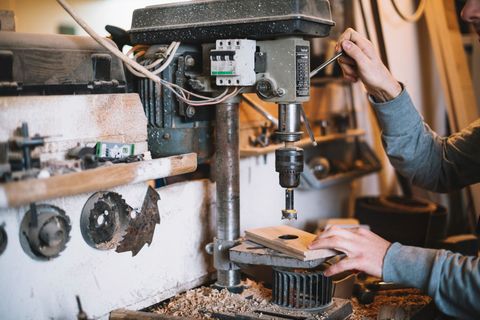
- Manual sheet metal bending machine: Operated by hand, suitable for small-scale or simple tasks
- Automatic sheet metal bending machine: Uses programmed controls for precision and repeatability
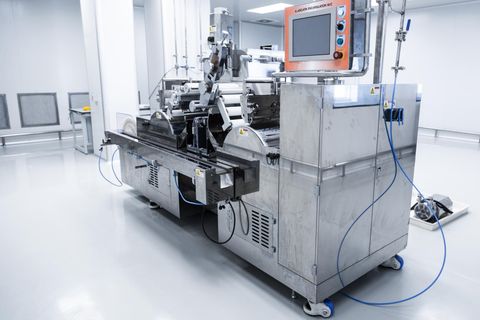
- Industrial sheet metal bending machine: Designed for high-volume production and heavy-duty applications
These machines rely on mechanical force, hydraulic pressure, or electrical systems to bend metal along a straight axis. The evolution of bending machines has been driven by the need for higher accuracy, faster production, and reduced human effort.
Importance – Why This Topic Matters Today
Sheet metal bending machines play a crucial role in modern manufacturing ecosystems. As industries continue to demand customized, durable, and lightweight components, the relevance of these machines has grown significantly.
One of the primary reasons this topic matters today is the increasing reliance on automation. The automatic sheet metal bending machine enables manufacturers to produce consistent results with minimal human intervention, improving efficiency and reducing errors.
This technology affects a wide range of stakeholders:
- Manufacturers: Improve productivity and maintain quality standards
- Engineers and designers: Enable complex designs with precise bending
- Small workshops: Use manual machines for cost-effective operations
- Large-scale industries: Depend on industrial machines for mass production
The machines also solve several operational challenges:
- Precision issues: Ensures accurate bending angles and dimensions
- Material wastage: Minimizes scrap by maintaining consistency
- Time constraints: Speeds up production cycles
- Labor dependency: Reduces reliance on manual skills
In sectors like automotive and construction, even slight deviations in metal bending can lead to structural issues. Therefore, the use of advanced bending machines helps maintain safety and quality standards.
Recent Updates – Trends and Developments
Over the past year, the field of sheet metal bending has seen several technological and operational advancements. These updates reflect the broader shift toward smart manufacturing and digital integration.
In 2025, there has been increased adoption of CNC (Computer Numerical Control) systems in industrial sheet metal bending machines. These systems allow operators to program complex bending sequences, resulting in higher precision and repeatability.
Another notable trend is the integration of IoT (Internet of Things) technology. Modern machines are now equipped with sensors that monitor performance, detect errors, and provide real-time data analytics. This helps in predictive maintenance and reduces downtime.
Key developments include:
- AI-assisted bending systems (2025): Use machine learning to optimize bending sequences
- Energy-efficient hydraulic systems (2024–2025): Reduce power consumption
- Touchscreen interfaces: Simplify machine operation and programming
- Robotic integration: Enables fully automated production lines
Additionally, there has been a growing focus on sustainability. Manufacturers are designing machines that consume less energy and produce minimal waste, aligning with global environmental goals.
Laws or Policies – Regulatory Influence
Sheet metal bending machines are subject to various regulations and safety standards, particularly in countries with strong manufacturing sectors like India.
In India, the use and operation of these machines are influenced by industrial safety laws and manufacturing policies. The Factories Act, 1948 sets guidelines for worker safety, including the use of machinery in industrial environments. Employers must ensure that machines are properly maintained and that operators are trained.
Other relevant frameworks include:
- Occupational Safety, Health and Working Conditions Code, 2020: Consolidates safety regulations and emphasizes safe machine usage
- Make in India initiative: Encourages domestic manufacturing, increasing demand for industrial machinery
- Bureau of Indian Standards (BIS): Provides guidelines for machine quality and safety
Compliance with these regulations ensures:
- Safe working conditions for machine operators
- Standardized manufacturing practices
- Reduced risk of accidents and equipment failure
In addition, environmental regulations may apply to large-scale operations, particularly regarding energy usage and waste management.
Tools and Resources – Helpful Platforms and Utilities
Understanding and operating a sheet metal bending machine often requires access to various tools and resources. These can assist in design, calculation, and machine programming.
Some commonly used tools include:
- CAD software: Helps design metal components and simulate bending processes
- CAM software: Converts design files into machine instructions
- Bend allowance calculators: Determine the correct dimensions before bending
- Material databases: Provide information on metal properties
Below is a simple comparison table of machine types and their characteristics:
| Machine Type | Operation Method | Suitable Use Case | Precision Level | Automation Level |
|---|---|---|---|---|
| Manual Sheet Metal Bending Machine | Hand-operated | Small workshops | Moderate | Low |
| Automatic Sheet Metal Bending Machine | CNC or programmed | Medium to large production | High | Medium to High |
| Industrial Sheet Metal Bending Machine | Hydraulic or electric | Heavy-duty and mass production | Very High | High |
Additional resources include:
- Simulation tools: Allow testing of bending sequences before actual production
- Training modules: Help operators understand machine functions
- Technical manuals: Provide detailed instructions and safety guidelines
These tools improve efficiency, reduce errors, and enhance the overall quality of the bending process.
FAQs – Common Questions Answered
What is a sheet metal bending machine used for?
A sheet metal bending machine is used to shape flat metal sheets into specific angles or curves. It is commonly used in manufacturing processes to create components like panels, brackets, and enclosures.
What are the main metal bending machine types?
The main types include manual, automatic, and industrial machines. Each type differs in terms of operation, complexity, and production capacity.
How does an automatic sheet metal bending machine work?
An automatic machine uses programmed instructions, often through CNC systems, to perform precise bending operations. It reduces manual effort and ensures consistent results.
Is a manual sheet metal bending machine still relevant?
Yes, manual machines are still widely used in small workshops and for simple tasks. They are suitable for low-volume production and basic bending requirements.
What industries use industrial sheet metal bending machines?
Industries such as automotive, aerospace, construction, and electronics rely heavily on industrial bending machines for large-scale and high-precision manufacturing.
Conclusion
Sheet metal bending machines are essential tools in modern manufacturing, enabling the transformation of flat metal sheets into functional components. From manual systems used in small workshops to advanced industrial machines integrated with automation, these tools support a wide range of applications.
The growing demand for precision, efficiency, and sustainability has driven innovation in this field. With the adoption of technologies like CNC, IoT, and AI, bending machines are becoming more intelligent and capable.
Understanding the different metal bending machine types helps businesses and professionals choose the right equipment for their needs. At the same time, awareness of regulations and available tools ensures safe and effective operation.
As industries continue to evolve, the role of the industrial sheet metal bending machine and its automated counterparts will remain central to efficient and high-quality production.