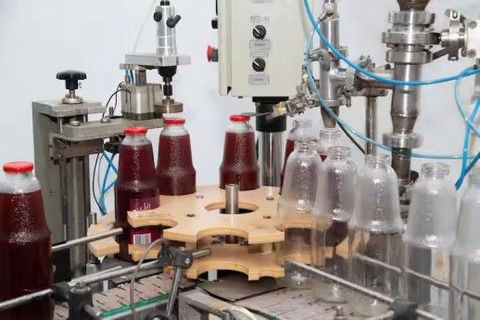
Understanding Industrial Automation Systems in Modern Manufacturing
Industrial automation systems refer to the use of control systems, software, and advanced technologies to operate machinery and processes in manufacturing with minimal human intervention. These systems are designed to improve efficiency, consistency, and productivity across industrial operations.
Context – What Industrial Automation Systems Are and Why They Exist
In modern manufacturing, industrial control systems play a central role in managing production lines, monitoring equipment performance, and ensuring that processes run smoothly. These systems often include programmable logic controllers (PLCs), supervisory control and data acquisition (SCADA) systems, and distributed control systems (DCS).
The concept of automation in manufacturing industry has evolved over decades. Initially, automation focused on simple mechanical tasks, but today it integrates digital technologies, artificial intelligence, and data analytics. This evolution has led to the development of smart factory automation, where machines communicate with each other and make real-time decisions.
Another important aspect is plant automation technology, which ensures that entire facilities operate efficiently. This includes managing energy usage, controlling environmental conditions, and coordinating different production units.
As industries face increasing demand for precision and scalability, digital factory solutions have emerged to connect physical operations with digital systems. These solutions allow manufacturers to simulate processes, predict maintenance needs, and optimize production workflows.
Importance – Why Industrial Automation Systems Matter Today
Industrial automation systems are essential in today’s manufacturing environment because they address several critical challenges faced by industries worldwide. They directly impact productivity, quality, safety, and operational efficiency.
One of the key benefits of factory automation systems is the ability to maintain consistent product quality. Automated systems reduce human error and ensure that each product meets predefined standards. This is particularly important in industries such as pharmaceuticals, automotive, and electronics.
Another major advantage is improved operational efficiency. Automation enables continuous production without interruptions, reducing downtime and increasing output. This helps manufacturers meet growing demand while maintaining cost control.
Industrial automation systems also play a crucial role in workplace safety. By automating hazardous tasks, companies can reduce the risk of accidents and protect workers from dangerous environments.
The importance of smart factory automation is further highlighted by its ability to support data-driven decision-making. Real-time data collection and analysis allow manufacturers to identify inefficiencies, predict equipment failures, and optimize processes.
Below is a simple comparison of manual and automated manufacturing processes:
| Feature | Manual Manufacturing | Automated Manufacturing |
|---|---|---|
| Production Speed | Slower | Faster |
| Error Rate | Higher | Lower |
| Labor Dependency | High | Reduced |
| Consistency | Variable | High |
| Data Monitoring | Limited | Advanced and Real-Time |
Industrial automation systems affect a wide range of stakeholders, including manufacturers, engineers, policymakers, and consumers. For manufacturers, these systems improve competitiveness. For engineers, they create opportunities to work with advanced technologies. For consumers, they result in better quality products.
Recent Updates – Trends and Developments in Industrial Automation
Over the past year, several important trends have shaped the field of industrial automation systems. These developments reflect the growing integration of digital technologies into manufacturing processes.
One significant trend is the increased adoption of Industry 4.0 technologies. In 2025, many manufacturing facilities expanded their use of connected devices and sensors to enable real-time monitoring and control. This has strengthened the role of industrial control systems in managing complex operations.
Another notable development is the rise of artificial intelligence in automation. AI-powered systems are now being used to optimize production schedules, detect anomalies, and improve predictive maintenance. This has enhanced the capabilities of digital factory solutions.
Cloud computing has also become more prominent in plant automation technology. Manufacturers are increasingly using cloud platforms to store and analyze large volumes of data. This allows for better collaboration and remote monitoring of production systems.
Cybersecurity has gained increased attention as well. In 2025, several industries focused on strengthening the security of their factory automation systems to protect against cyber threats. This includes implementing secure communication protocols and regular system audits.
Sustainability is another key trend. Many companies are adopting energy-efficient automation systems to reduce environmental impact. Smart systems can monitor energy usage and optimize processes to minimize waste.
Laws or Policies – Regulatory Environment and Government Initiatives
Industrial automation systems are influenced by various laws, standards, and government programs that aim to ensure safety, efficiency, and sustainability in manufacturing.
In India, several initiatives support the adoption of automation in manufacturing industry. Programs such as “Make in India” and “Digital India” encourage the use of advanced technologies, including automation and digital systems, to enhance industrial growth.
Regulatory frameworks also play a role in shaping industrial control systems. Standards related to safety, such as those issued by the Bureau of Indian Standards (BIS), ensure that automated systems operate safely and reliably.
Environmental regulations influence plant automation technology by requiring industries to monitor emissions and reduce energy consumption. Automated systems help companies comply with these requirements by providing accurate data and control mechanisms.
Data protection and cybersecurity policies are becoming increasingly relevant. As smart factory automation relies on interconnected systems, manufacturers must comply with data security regulations to protect sensitive information.
International standards, such as ISO certifications, also impact digital factory solutions. These standards ensure that automation systems meet global benchmarks for quality, safety, and performance.
Tools and Resources – Useful Technologies and Platforms
There are several tools and resources that support the implementation and management of industrial automation systems. These tools help manufacturers design, monitor, and optimize their processes.
Some commonly used tools include:
- Programmable Logic Controllers (PLCs): Used to control machinery and processes in real time
- SCADA Systems: Provide centralized monitoring and control of industrial operations
- Distributed Control Systems (DCS): Manage complex processes across large facilities
- Human-Machine Interfaces (HMIs): Allow operators to interact with automation systems
- Industrial IoT Platforms: Enable connectivity and data exchange between devices
Software tools are also essential for digital factory solutions. These include simulation software, data analytics platforms, and enterprise resource planning (ERP) systems.
Below is a table summarizing key tools and their functions:
| Tool/Technology | Primary Function |
|---|---|
| PLC | Machine control and automation |
| SCADA | Monitoring and data acquisition |
| DCS | Process control across systems |
| HMI | User interaction with machines |
| IoT Platforms | Device connectivity and data sharing |
| Analytics Software | Data analysis and optimization |
These tools enable manufacturers to implement factory automation systems effectively and maintain high levels of performance.
FAQs – Common Questions About Industrial Automation Systems
What are industrial automation systems?
Industrial automation systems are technologies that control and monitor manufacturing processes with minimal human intervention. They include hardware and software components that work together to improve efficiency and accuracy.
How do factory automation systems improve productivity?
Factory automation systems increase productivity by enabling continuous operation, reducing downtime, and minimizing errors. They also allow faster production cycles and better resource utilization.
What is smart factory automation?
Smart factory automation refers to advanced systems where machines, sensors, and software are interconnected. These systems use data and analytics to make real-time decisions and optimize production processes.
Are industrial control systems secure?
Industrial control systems can be secure when proper cybersecurity measures are implemented. This includes using secure networks, regular updates, and monitoring for potential threats.
What industries use digital factory solutions?
Digital factory solutions are used in various industries, including automotive, electronics, pharmaceuticals, and food processing. These solutions help improve efficiency, quality, and flexibility in production.
Conclusion
Industrial automation systems have become a fundamental part of modern manufacturing. They enable industries to achieve higher efficiency, better quality, and improved safety. As technologies continue to evolve, the role of smart factory automation and digital factory solutions will become even more significant.
The integration of advanced tools, data analytics, and connected systems is transforming how factories operate. Manufacturers are increasingly relying on plant automation technology and industrial control systems to remain competitive in a rapidly changing environment.
While challenges such as cybersecurity and regulatory compliance remain, the benefits of automation are substantial. By adopting the right technologies and strategies, industries can enhance productivity and adapt to future demands.