Understanding High Pressure Industrial Systems and Their Applications
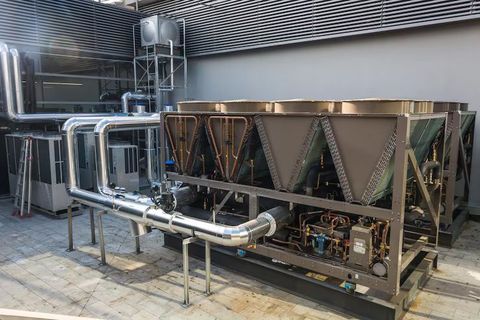
High pressure industrial systems are engineered setups designed to store, control, and transfer fluids or gases at pressures significantly higher than normal atmospheric levels. These systems are widely used in sectors such as manufacturing, energy production, chemical processing, and transportation. They emerged as industries began requiring more efficient ways to handle materials under controlled pressure conditions, especially during the industrial expansion of the 19th and 20th centuries.
At the core of these systems are industrial pressure control systems, which regulate how pressure is generated, maintained, and released. These include valves, gauges, regulators, and automated monitoring tools. Industrial gas pressure systems, for example, are commonly used in processes involving compressed air, oxygen, hydrogen, or natural gas, where maintaining consistent pressure is essential for safety and efficiency.
Another key aspect is industrial pressure management systems, which integrate multiple components to ensure the entire system operates within safe and functional limits. These systems rely heavily on engineering principles, particularly in industrial pressure vessel design, where tanks and containers must withstand high internal forces without failure.
Understanding how these systems work helps explain their role in everyday infrastructure, from power generation to food processing.
Importance
High pressure industrial systems play a crucial role in modern infrastructure and daily life, even if they are not directly visible to the general public. They support essential processes such as electricity generation, fuel distribution, and the manufacturing of everyday goods.
Supporting Industrial Operations
Many industries rely on controlled pressure environments to function properly. For example:
- Chemical plants use pressurized reactors to speed up reactions.
- Power plants depend on steam pressure to drive turbines.
- Food processing facilities use pressure systems for sterilization and packaging.
Without industrial pressure control systems, these processes would become inefficient or unsafe.
Enhancing Safety and Efficiency
Industrial gas pressure systems help ensure that gases are transported and used safely. Proper regulation prevents leaks, explosions, or equipment damage. Similarly, industrial pressure management systems monitor conditions in real time, reducing the likelihood of accidents.
Impact on Everyday Life
Although these systems operate behind the scenes, their effects are widespread:
- Clean water supply relies on pressurized distribution systems.
- Refrigeration systems depend on controlled pressure cycles.
- Medical facilities use pressurized oxygen systems.
By maintaining stability and reliability, these systems support essential services that people depend on daily.
Recent Updates
Between 2024 and 2026, high pressure industrial systems have continued to evolve, mainly due to advances in digital monitoring and sustainability efforts.
Increased Use of Automation
Industrial pressure control systems are increasingly integrated with digital sensors and automation platforms. These systems can:
- Detect pressure fluctuations instantly
- Adjust valves automatically
- Send alerts for maintenance needs
This shift reduces human intervention and improves operational accuracy.
Focus on Energy Efficiency
Industries are working to reduce energy consumption. New industrial pressure management systems are designed to minimize pressure loss and optimize energy use during compression and transport.
Growth in Hydrogen and Clean Energy Systems
Industrial gas pressure systems are becoming more relevant in hydrogen-based energy projects. Hydrogen storage and transport require specialized pressure vessel designs due to the gas’s unique properties.
Improved Materials in Pressure Vessel Design
Advancements in materials science have led to stronger and lighter materials for industrial pressure vessel design. These include composite materials and advanced alloys that can withstand higher pressures while reducing structural weight.
Laws or Policies
High pressure industrial systems are regulated to ensure safety, environmental protection, and operational reliability. In India, several frameworks govern their design, installation, and maintenance.
Key Regulatory Areas
Industrial pressure vessel design and operation are influenced by:
- Safety standards for pressure equipment
- Environmental regulations related to emissions and leaks
- Inspection and certification requirements
Common Regulatory Components
- Design approval: Pressure vessels must meet specific engineering codes before being manufactured.
- Periodic inspection: Systems are checked regularly for wear, corrosion, or structural weaknesses.
- Operator training: Personnel handling industrial pressure control systems must be trained in safety procedures.
Example Standards and Authorities
While regulations vary, they often align with recognized frameworks such as:
- Boiler and pressure vessel standards
- Industrial safety guidelines issued by government bodies
- Environmental compliance rules for gas handling
These policies aim to reduce risks associated with high-pressure operations and ensure consistent practices across industries.
Tools and Resources
Understanding and managing high pressure industrial systems often requires specialized tools and digital resources. These tools help engineers, technicians, and operators monitor and maintain system performance.
Common Tools Used
- Pressure gauges: Measure internal pressure levels in real time
- Relief valves: Automatically release excess pressure to prevent damage
- Flow meters: Track the movement of fluids or gases
- Control panels: Centralized systems for monitoring and adjustments
Digital Platforms and Software
Modern industrial pressure management systems often include software tools that:
- Visualize pressure trends
- Predict maintenance needs
- Integrate with broader industrial automation systems
Calculation and Design Resources
Engineers working on industrial pressure vessel design use:
- Simulation software to test stress and durability
- Standardized calculation tools for pressure tolerance
- Design templates based on established engineering codes
Example Data Table: Pressure System Components and Functions
| Component | Function | Common Use Case |
|---|---|---|
| Pressure Gauge | Measures internal pressure | Monitoring pipelines |
| Safety Relief Valve | Releases excess pressure | Preventing system overload |
| Pressure Regulator | Maintains consistent pressure levels | Gas distribution systems |
| Storage Vessel | Holds pressurized fluids or gases | Industrial gas storage |
| Control System Panel | Monitors and adjusts system parameters | Automated industrial environments |
These tools and resources help maintain system stability and improve operational understanding.
FAQs
What are high pressure industrial systems used for?
High pressure industrial systems are used to handle fluids and gases under controlled pressure conditions. They are commonly found in industries such as energy production, manufacturing, and chemical processing, where precise pressure control is necessary.
How do industrial pressure control systems work?
Industrial pressure control systems use devices like regulators, valves, and sensors to monitor and adjust pressure levels. These systems ensure that pressure remains within safe limits and can automatically respond to changes in operating conditions.
What is involved in industrial pressure vessel design?
Industrial pressure vessel design involves calculating the strength, thickness, and material of containers that hold pressurized substances. Engineers consider factors such as internal pressure, temperature, and material properties to ensure safety and durability.
Why are industrial gas pressure systems important?
Industrial gas pressure systems are essential for safely storing and transporting gases like oxygen, nitrogen, and hydrogen. Proper pressure control prevents leaks, maintains efficiency, and supports consistent industrial processes.
What is the role of industrial pressure management systems?
Industrial pressure management systems oversee the entire pressure network, combining monitoring tools, control devices, and safety mechanisms. They help maintain system balance, detect issues early, and ensure smooth operation.
Conclusion
High pressure industrial systems are a foundational part of modern industry, enabling the safe and efficient handling of gases and fluids under controlled conditions. Through industrial pressure control systems and industrial pressure management systems, these setups maintain stability and reduce operational risks. Advances in automation, materials, and energy efficiency continue to shape their development. Understanding industrial pressure vessel design and system components provides insight into how essential infrastructure operates behind the scenes.