Understanding High Precision Mechatronics Systems in Modern Industry
High precision mechatronics systems combine mechanical engineering, electronics, and computer control to create machines capable of extremely accurate motion and operation. These systems evolved from traditional mechanical devices as industries began integrating sensors, microprocessors, and software to improve performance and reliability. Today, precision mechatronic devices are used in manufacturing, healthcare, aerospace, and consumer technology.
At their core, these systems rely on coordination between hardware and software. A motor may provide motion, sensors track position, and control algorithms adjust performance in real time. This integration allows advanced mechatronics equipment to achieve levels of accuracy that are difficult with purely mechanical systems.
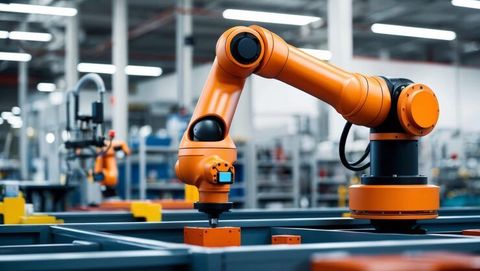
Industrial mechatronics systems are designed to operate in controlled environments where consistency and precision are essential. Precision electromechanical systems, a related concept, focus on combining electrical and mechanical components to perform tasks with minimal error. Together, these technologies form the backbone of many modern automated processes.
Importance
High precision mechatronics systems matter because they improve efficiency, reduce errors, and enable the production of complex products. Many everyday items, such as smartphones, medical devices, and vehicles, depend on components manufactured using precision mechatronic devices.
These systems address several real-world challenges. For example, in manufacturing, maintaining consistent quality across thousands of units can be difficult. Industrial mechatronics systems help solve this by ensuring each product is assembled with the same level of accuracy.
In healthcare, advanced mechatronics equipment supports delicate procedures and diagnostic tools. Surgical robots and imaging devices rely on precision electromechanical systems to function correctly. Even small deviations in movement or measurement can affect outcomes, so accuracy is critical.
Key benefits of these systems include:
- Improved accuracy, where sensors and feedback loops reduce deviation during operation
- Increased efficiency, as automated processes reduce manual intervention
- Enhanced repeatability, allowing identical results across multiple production cycles
- Better safety, since controlled systems can operate in hazardous environments
For everyday people, these improvements translate into more reliable products, safer medical procedures, and more efficient infrastructure.
Recent Updates
Recent years have seen steady advancements in high precision mechatronics systems, particularly between 2024 and 2026. One notable trend is the integration of artificial intelligence into control systems. AI algorithms help machines adapt to changing conditions, improving performance without constant human adjustment.
Another development is the increased use of digital twins. A digital twin is a virtual model of a physical system that allows engineers to simulate performance before making changes in the real world. This approach reduces errors and helps refine precision mechatronic devices during the design phase.
Miniaturization is also shaping the field. Precision electromechanical systems are becoming smaller while maintaining or improving accuracy. This is especially important in sectors like medical devices and electronics, where compact designs are required.
Connectivity has improved as well. Industrial mechatronics systems are now often connected through industrial networks, allowing real-time monitoring and data analysis. This enables predictive maintenance, where potential issues are identified before they cause disruptions.
Another ongoing trend is sustainability. Advanced mechatronics equipment is being designed to consume less energy and produce less waste. Efficient motion control and optimized processes contribute to reduced environmental impact.
Laws or Policies
High precision mechatronics systems are influenced by various regulations and standards, particularly in countries like India where industrial growth is expanding. These rules focus on safety, quality, and environmental impact.
In India, standards set by the Bureau of Indian Standards (BIS) provide guidelines for manufacturing equipment and electrical systems. These standards ensure that precision mechatronic devices meet safety and performance requirements.
Industrial safety regulations also play a role. Factories using industrial mechatronics systems must comply with workplace safety laws that govern machine operation, worker protection, and maintenance procedures. These regulations help reduce risks associated with automated equipment.
Environmental policies are another factor. Precision electromechanical systems used in manufacturing must adhere to rules related to energy consumption and emissions. This encourages the adoption of efficient technologies.
Additionally, international standards such as ISO guidelines are often followed. These standards help maintain consistency in advanced mechatronics equipment across global markets, making it easier for industries to align with common practices.
Overall, these laws and policies ensure that high precision mechatronics systems operate safely and responsibly while maintaining quality and reliability.
Tools and Resources
A range of tools and platforms support the development and operation of high precision mechatronics systems. These resources help engineers design, simulate, and monitor complex systems.
Design and Simulation Tools
Engineers use specialized software to model precision mechatronic devices before building them. Common tools include:
- CAD software, which allows detailed mechanical design
- Simulation platforms, used to test motion and control systems virtually
- Control system design tools, which help develop algorithms for precise operation
Monitoring and Analysis Platforms
Industrial mechatronics systems often rely on monitoring tools to track performance. These include:
- Data acquisition systems, which collect real-time information from sensors
- Analytics platforms, used to interpret data and identify patterns
- Visualization dashboards, which display system performance in an accessible format
Common Components in Mechatronics Systems
The table below outlines typical components found in advanced mechatronics equipment and their roles:
| Component | Function |
|---|---|
| Sensors | Measure position, speed, temperature, or force |
| Actuators | Convert electrical signals into motion |
| Controllers | Process data and manage system behavior |
| Power Supply Units | Provide energy for system operation |
| Communication Interfaces | Enable data exchange between components |
These tools and components work together to create precision electromechanical systems capable of performing complex tasks with high accuracy.
FAQs
What are high precision mechatronics systems used for?
High precision mechatronics systems are used in industries such as manufacturing, healthcare, aerospace, and electronics. They enable accurate motion control, automated assembly, and precise measurement.
How do precision mechatronic devices improve manufacturing?
Precision mechatronic devices improve manufacturing by ensuring consistent quality and reducing errors. They use sensors and control systems to maintain accuracy during production processes.
What is the difference between industrial mechatronics systems and precision electromechanical systems?
Industrial mechatronics systems focus on large-scale automated processes in factories, while precision electromechanical systems often refer to smaller, highly accurate devices that combine electrical and mechanical components.
Are advanced mechatronics equipment difficult to maintain?
Maintenance depends on system complexity. Many advanced mechatronics equipment include monitoring tools that help identify issues early, making maintenance more manageable.
Why are high precision mechatronics systems important in modern technology?
They are important because they enable the production of complex and reliable products. From medical devices to electronics, these systems ensure accuracy and efficiency in modern technology.
Conclusion
High precision mechatronics systems represent a significant advancement in how machines operate and interact with their environment. By combining mechanical components with electronics and software, these systems achieve levels of accuracy that support modern industries. Their role in manufacturing, healthcare, and technology continues to expand as new developments emerge. Understanding these systems helps explain how many everyday products are created and maintained. As technology evolves, precision mechatronic devices and related systems will remain central to innovation and efficiency.