Understanding Extrusion Machines: Technology, Types & Applications
Extrusion technology is a widely used manufacturing method that shapes materials by forcing them through a specially designed opening called a die. The process has been used for decades across industries such as construction, packaging, automotive, and consumer goods. At the center of this process is the plastic extrusion machine, a system designed to heat, melt, and form raw materials into continuous shapes like pipes, sheets, and profiles.
An industrial extrusion machine typically consists of a hopper, barrel, screw, heaters, and a die. Raw material—often in pellet form—is fed into the machine, where it is gradually heated and pushed forward by a rotating screw. As the material melts, it is shaped into a desired form and then cooled to maintain its structure. This process allows manufacturers to produce long, uniform products efficiently.
Extrusion machines have evolved over time to handle a wide range of materials, including thermoplastics, metals, and even food products. Today, specialized systems such as a PVC pipe extrusion machine or a plastic pipe extrusion line are used to produce standardized components required in infrastructure and utility systems.
Importance
Extrusion technology plays an important role in modern manufacturing because it enables the continuous production of consistent shapes. This efficiency helps industries meet large-scale demands for materials used in daily life. From water supply systems to electrical conduits, many essential products are created using extrusion.
For everyday users, extrusion impacts areas such as housing, transportation, and packaging. For example, plastic pipes produced through extrusion are used in plumbing and irrigation systems. These pipes must meet specific durability and safety standards, which extrusion technology helps achieve.
The process also addresses practical challenges such as material efficiency and waste reduction. Since extrusion forms products in a continuous flow, it minimizes material loss compared to other manufacturing methods. This makes it suitable for industries aiming to optimize resource usage.
In addition, extrusion supports customization. Manufacturers can adjust die shapes and processing conditions to produce different sizes and profiles without redesigning the entire system. This flexibility is particularly valuable in sectors where product specifications vary.
Recent Updates
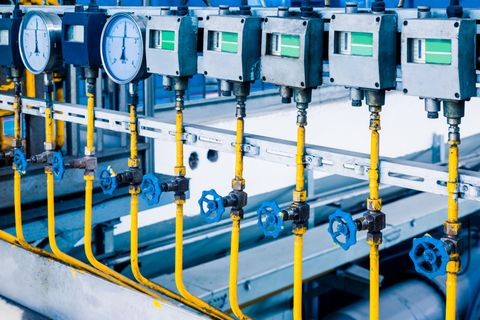
In recent years, extrusion technology has seen gradual improvements driven by automation, sustainability concerns, and digital monitoring. One notable trend is the integration of smart controls into the industrial extrusion machine. These systems use sensors and software to monitor temperature, pressure, and material flow in real time, helping maintain consistent product quality.
Another development is the growing use of recycled materials in extrusion processes. Many extrusion machine manufacturers are designing systems that can handle recycled plastics without compromising output stability. This aligns with broader efforts to reduce environmental impact and manage plastic waste.
Energy efficiency has also become a focus area. Modern machines are being equipped with improved heating systems and optimized screw designs that reduce energy consumption. This is particularly relevant for large-scale operations such as a plastic pipe extrusion line, where continuous production can require significant energy.
In addition, modular machine designs are becoming more common. These allow manufacturers to upgrade specific components—such as screws or dies—without replacing the entire system. This approach supports longer equipment lifecycles and adaptability to changing production needs.
Laws or Policies
Extrusion machines and their products are influenced by various regulations related to safety, environmental impact, and product standards. In India, for example, manufacturing processes involving plastics are subject to guidelines issued by the Central Pollution Control Board (CPCB). These guidelines focus on waste management, emissions, and recycling practices.
Standards for products such as pipes are defined by organizations like the Bureau of Indian Standards (BIS). A PVC pipe extrusion machine used for producing water supply pipes must ensure that the final product meets specified strength, durability, and safety criteria. These standards help ensure that materials used in infrastructure are reliable.
Workplace safety is another important area. Regulations require that industrial machinery, including extrusion systems, operate under conditions that protect workers. This includes proper guarding of moving parts, temperature controls, and emergency shutdown mechanisms.
Globally, similar frameworks exist. For example, European regulations such as REACH (Registration, Evaluation, Authorisation, and Restriction of Chemicals) influence the types of materials used in extrusion. These rules aim to limit hazardous substances and promote safer alternatives.
Environmental policies are also shaping the extrusion industry. Many regions encourage the use of recyclable materials and impose restrictions on certain types of plastics. As a result, extrusion machine manufacturers are adapting their designs to support compliance with these evolving requirements.
Tools and Resources
Understanding and operating extrusion systems often involves a combination of technical tools and informational resources. These help users monitor processes, maintain equipment, and ensure product quality.
Common tools and resources include:
- Simulation software, such as extrusion modeling programs, helps predict how materials will behave under different conditions, allowing adjustments before actual production begins.
- Process monitoring systems track variables like temperature and pressure in real time, providing data that supports consistent output.
- Maintenance schedules and digital logs assist in tracking machine performance and identifying potential issues early.
- Industry standards documentation, including BIS specifications and international guidelines, provides reference points for product quality and compliance.
- Training materials and technical manuals explain how to operate systems like a plastic pipe extrusion line safely and efficiently.
Below is a simple comparison of different extrusion machine types and their typical applications:
| Machine Type | Material Used | Common Output Products | Typical Application Area |
|---|---|---|---|
| Single-screw extrusion machine | Thermoplastics | Pipes, sheets | General manufacturing |
| Twin-screw extrusion machine | Mixed materials | Compounded plastics | Material blending |
| PVC pipe extrusion machine | PVC | Pipes for plumbing | Construction and utilities |
| Plastic pipe extrusion line | Polyethylene, PVC | Water and gas pipes | Infrastructure projects |
| Metal extrusion machine | Aluminum, steel | Rods, profiles | Automotive and construction |
These tools and structured systems support better understanding and consistent operation of extrusion technology across industries.
FAQs
What is a plastic extrusion machine used for?
A plastic extrusion machine is used to shape melted plastic into continuous forms such as pipes, sheets, and profiles. It is commonly used in construction, packaging, and manufacturing industries.
How does a PVC pipe extrusion machine work?
A PVC pipe extrusion machine heats and melts PVC material, then forces it through a die to create a pipe shape. The pipe is then cooled and cut to the required length while maintaining consistent dimensions.
What is the difference between a plastic pipe extrusion line and a single machine?
A plastic pipe extrusion line refers to a complete system that includes multiple components such as feeders, extruders, cooling units, and cutters. A single machine is just one part of this larger setup.
Who are extrusion machine manufacturers?
Extrusion machine manufacturers are companies that design and produce equipment used for extrusion processes. They develop machines for different materials and applications, including plastics and metals.
Why are industrial extrusion machines important in infrastructure?
An industrial extrusion machine enables the production of materials like pipes and profiles used in water systems, electrical installations, and construction. These materials are essential for building and maintaining infrastructure.
Conclusion
Extrusion machines are a key part of modern manufacturing, enabling the continuous production of essential materials used in daily life. From simple profiles to complex piping systems, the technology supports a wide range of applications. Ongoing developments in automation, energy efficiency, and material usage continue to shape the field. Regulations and standards ensure that products meet safety and quality requirements. Understanding extrusion technology helps provide insight into how many everyday materials are produced.