Trommel Screens: An Explore Guide to Basics, Uses, and Practical Knowledge
Trommel screens are rotating cylindrical screening systems used to separate materials by size. The word “trommel” comes from a term meaning drum, which accurately describes the equipment’s main structure. These machines exist to solve a simple but essential challenge: how to efficiently sort mixed materials into usable size fractions without complex handling.
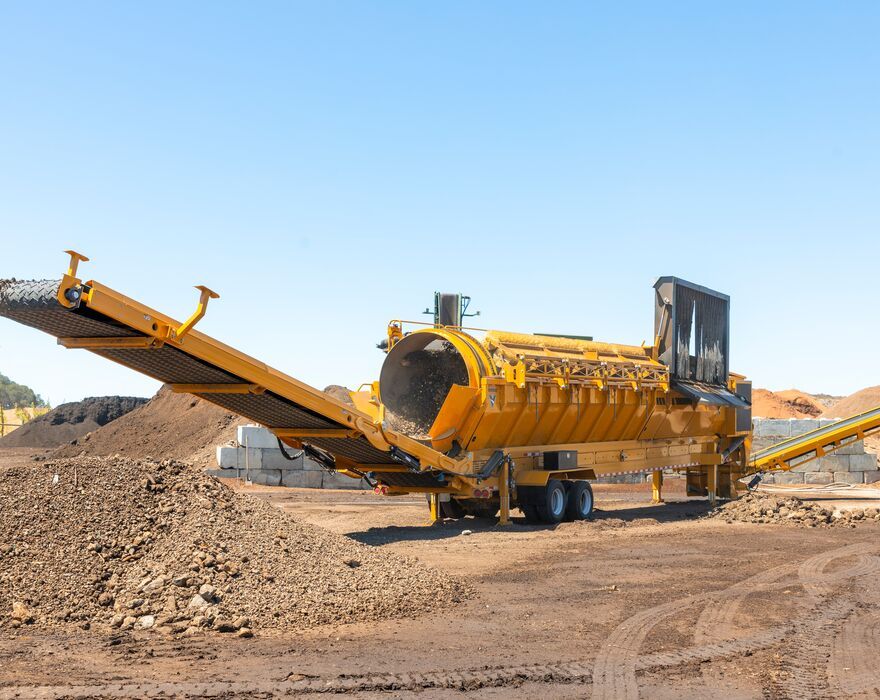
A trommel screen consists of a perforated drum that rotates at a controlled speed. As material enters the drum, smaller particles fall through the holes, while larger pieces move forward and exit at the end. This basic principle allows trommel screens to work across many industries where bulk materials must be processed continuously.
Their development is closely linked to the growth of mining, construction, waste handling, and aggregate processing. As material volumes increased, manual sorting became impractical. Trommel screens emerged as a mechanical solution that could handle high throughput while maintaining consistent separation quality.
Importance
Trommel screens matter because material separation is a foundation step in many industrial processes. Without effective screening, downstream equipment may face inefficiency, damage, or reduced output quality.
Industries and groups affected include:
-
Mining and mineral processing operations
-
Construction and demolition material handling
-
Recycling and waste management facilities
-
Agriculture and compost processing units
-
Infrastructure and earthmoving projects
The main problems trommel screens help solve include:
-
Material inconsistency by separating fine and coarse fractions
-
Process bottlenecks caused by unsorted bulk material
-
Equipment protection by removing oversized or unwanted debris
-
Resource recovery by isolating reusable materials from mixed streams
Because they rely on mechanical rotation rather than complex electronics, trommel screens are valued for their reliability and adaptability. Their importance has grown as industries focus more on efficient material handling and responsible resource use.
Recent Updates
In recent developments, trommel screen design has evolved to improve performance and adaptability. Manufacturers and operators have focused on enhancing efficiency rather than changing the core principle.
Key recent trends include:
-
Improved drum materials using wear-resistant alloys to extend operational life
-
Modular screen panels that allow quicker replacement and configuration changes
-
Energy-optimized rotation systems designed to reduce mechanical strain
-
Integration with digital monitoring, such as vibration and load indicators, to support predictive maintenance
Another noticeable update is the growing use of trommel screens in material recovery facilities. As sorting requirements become more detailed, adjustable screen sizes and multi-stage trommel systems are being adopted. These changes reflect a broader shift toward precision and adaptability in bulk material screening.
Laws or Policies
Trommel screens are influenced indirectly by environmental, safety, and operational regulations rather than by rules aimed specifically at the equipment itself. In many regions, policies focus on how materials are processed, handled, and disposed of.
Common regulatory considerations include:
-
Environmental compliance, especially for dust control and noise levels
-
Waste handling standards that encourage proper separation of reusable and residual materials
-
Workplace safety guidelines related to rotating machinery and material flow
-
Resource efficiency programs promoting material recovery and reduced landfill use
These frameworks encourage the use of screening systems that support responsible material management. Trommel screens align well with such goals because they enable controlled separation without chemical processing or excessive manual intervention.
Tools and Resources
Several tools and resources help users understand, operate, and evaluate trommel screen systems effectively.
Helpful resources include:
-
Material size distribution charts used to match screen hole sizes with target output
-
Throughput estimation calculators that assess volume handling based on drum size and rotation speed
-
Maintenance checklists for routine inspection of bearings, drum panels, and drive systems
-
Technical guides and handbooks published by engineering associations
-
Simulation software that models material flow through rotating screens
Below is an example table showing how screen opening size influences output classification:
| Screen Opening Range | Typical Output Material |
|---|---|
| Small apertures | Fine soil, sand, compost |
| Medium apertures | Gravel, processed aggregates |
| Large apertures | Oversized rocks, debris |
Such tools support informed decision-making and help operators align equipment settings with material characteristics.
FAQs
What materials can trommel screens process?
Trommel screens handle a wide range of materials, including soil, gravel, minerals, compost, demolition debris, and mixed recyclables. Performance depends on material moisture and particle shape.
How does rotation speed affect screening?
Rotation speed influences how long material stays inside the drum. Slower speeds increase screening time, while faster speeds move material through more quickly. Proper balance ensures effective separation.
Are trommel screens suitable for wet materials?
Yes, trommel screens can process damp or wet materials. Some designs include spray bars to reduce clogging and improve separation efficiency.
What determines screen hole size selection?
Hole size is chosen based on the desired output fraction. Smaller holes produce finer separation, while larger holes allow coarse material to pass through.
How do trommel screens differ from vibrating screens?
Trommel screens rely on rotation, while vibrating screens use oscillation. Trommels are often preferred for bulky or sticky materials, whereas vibrating screens suit dry and uniform feeds.
Conclusion
Trommel screens play a crucial role in modern material handling by providing a simple yet effective method for size-based separation. Their rotating drum design allows continuous processing of large material volumes across diverse industries.
As operational demands evolve, trommel screens continue to adapt through improved materials, modular designs, and smarter monitoring approaches. Their alignment with environmental and efficiency-focused practices further reinforces their relevance.
Understanding how trommel screens work, why they matter, and how they fit within broader operational frameworks helps readers appreciate their value beyond the machinery itself. With proper knowledge and responsible use, trommel screens remain a dependable solution for material separation challenges.