Trench Compactors Overview: Discover Facts, Tips, and Essential Information
Trench compactors are specialized construction machines designed to compress soil in narrow spaces such as trenches, pipelines, and foundation edges. These machines are commonly used in infrastructure projects, including road construction, utility installations, and drainage systems. The primary goal of trench compaction is to increase soil density, which helps improve load-bearing capacity and prevents future settlement or structural damage.
Trench compactors exist because loose or poorly compacted soil can lead to serious issues such as ground instability, pipe misalignment, and surface cracks. By applying controlled force through vibration or impact, these machines ensure that soil particles are tightly packed. This process plays a critical role in maintaining long-term durability and safety in construction projects.
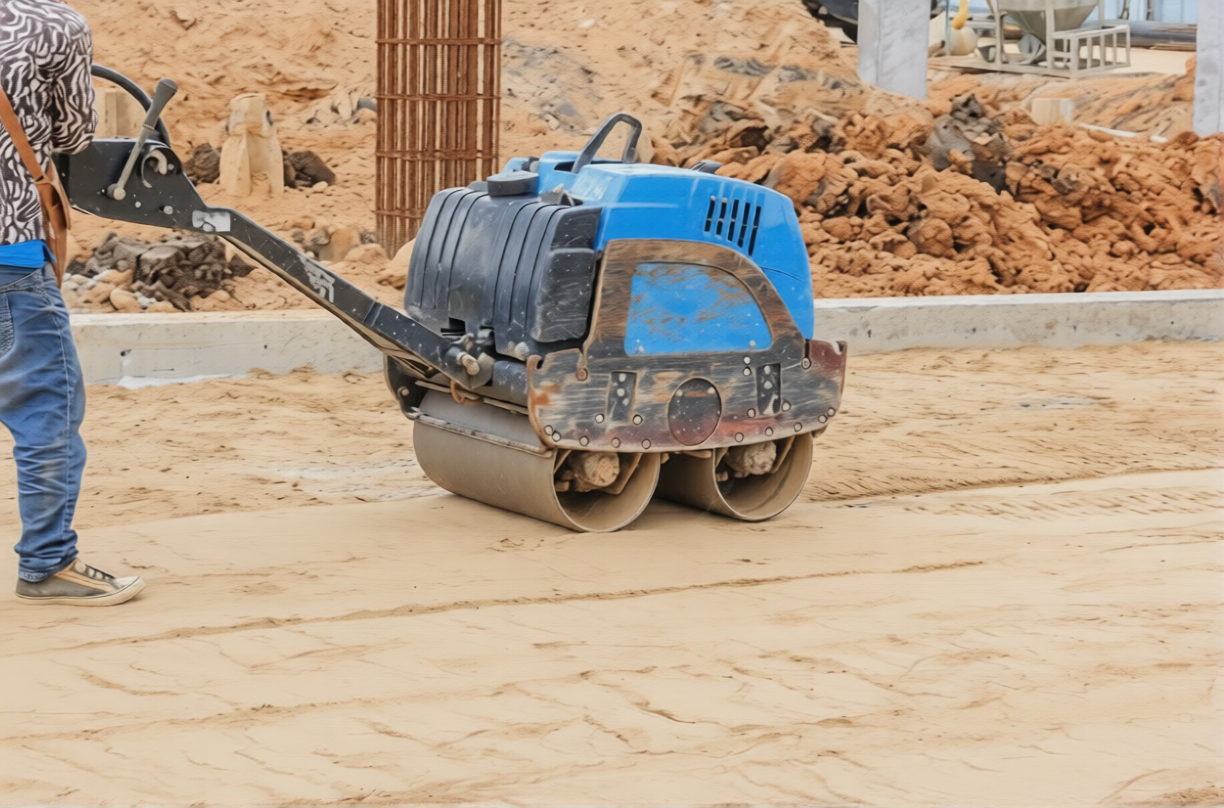
Understanding the Role of Trench Compactors
Trench compactors are engineered to work in confined environments where larger equipment cannot operate efficiently. They are typically categorized into types such as:
-
Vibratory plate compactors
-
Rammer compactors (jumping jacks)
-
Walk-behind trench rollers
-
Remote-controlled trench compactors
Each type is designed for specific soil conditions and trench sizes. For example, cohesive soils like clay often require rammers, while granular soils like sand are better suited for vibratory compactors.
Why Trench Compactors Matter in Modern Construction
Trench compactors are essential in ensuring structural integrity and safety in construction and civil engineering projects. Their importance has grown due to increased urban development and the expansion of underground utility systems.
Key reasons why trench compactors are important include:
-
Improved soil stability reduces the risk of ground collapse
-
Enhanced durability of pipelines and underground structures
-
Prevention of water infiltration and soil erosion
-
Compliance with engineering standards and safety protocols
These machines directly impact professionals such as civil engineers, contractors, project managers, and infrastructure planners. Poor compaction can result in costly repairs, project delays, and safety hazards, making proper compaction a critical step in construction workflows.
Key Problems Solved by Trench Compactors
| Problem | Solution Provided by Trench Compactors |
|---|---|
| Loose soil settlement | Increases soil density and stability |
| Pipe displacement | Secures surrounding soil around pipelines |
| Uneven surfaces | Creates uniform compaction layers |
| Water seepage | Reduces void spaces in soil |
Trends and Recent Developments in Trench Compaction Technology
Recent advancements in trench compactors reflect the broader evolution of construction technology. Manufacturers are focusing on improving efficiency, safety, and environmental performance.
Some notable trends include:
-
Increased use of remote-controlled trench rollers for operator safety
-
Integration of smart sensors to monitor compaction levels
-
Development of low-emission and electric-powered compactors
-
Enhanced vibration control systems for precision compaction
These innovations aim to reduce manual effort, improve accuracy, and minimize environmental impact. The shift toward automation and data-driven construction practices is shaping how trench compaction is performed today.
Emerging Technology Comparison
| Feature | Traditional Compactors | Modern Smart Compactors |
|---|---|---|
| Operation | Manual | Remote/Automated |
| Compaction Monitoring | Visual estimation | Sensor-based feedback |
| Environmental Impact | Higher emissions | Lower emissions |
| Efficiency | Moderate | High |
Regulations and Safety Standards
Trench compaction is influenced by construction safety standards and engineering guidelines that aim to ensure proper soil stabilization and worker protection. Regulatory frameworks typically address:
-
Minimum compaction requirements for different soil types
-
Equipment safety standards and operator training
-
Noise and vibration limits in urban environments
-
Environmental considerations such as emissions and soil preservation
Construction authorities and engineering bodies often require compaction testing methods such as Proctor tests or field density tests to verify soil compaction levels. Adhering to these standards helps maintain project quality and reduces long-term risks.
Tools and Resources for Trench Compaction
Several tools and digital resources support effective trench compaction planning and execution. These resources help professionals analyze soil conditions, select appropriate equipment, and monitor compaction performance.
Useful tools include:
-
Soil compaction calculators for determining required density
-
Construction management software for tracking project progress
-
Equipment selection guides based on soil type and trench size
-
Mobile apps for on-site measurement and reporting
-
Digital sensors and monitoring systems integrated into modern compactors
These tools enhance decision-making and improve the accuracy of compaction processes, especially in complex construction environments.
Practical Tips for Effective Trench Compaction
-
Always analyze soil type before selecting compaction equipment
-
Compact soil in layers rather than attempting full-depth compaction
-
Maintain consistent moisture levels for optimal compaction results
-
Use appropriate vibration frequency based on soil characteristics
-
Regularly inspect equipment to ensure proper functioning
Following these practices helps achieve uniform compaction and reduces the likelihood of structural issues in the future.
Frequently Asked Questions (FAQs)
What is the main purpose of a trench compactor?
The primary purpose of a trench compactor is to increase soil density in narrow spaces, ensuring stability and preventing settlement in construction projects.
How do trench compactors differ from regular compactors?
Trench compactors are specifically designed for confined areas and deeper soil layers, while regular compactors are used for open and سطح compaction tasks.
Which type of soil requires the most compaction effort?
Cohesive soils such as clay typically require more effort and specialized equipment like rammer compactors due to their dense and sticky nature.
Can trench compaction affect drainage systems?
Yes, proper compaction improves drainage by reducing voids in soil, which helps prevent water accumulation and seepage issues.
Are modern trench compactors environmentally friendly?
Many newer models are designed with reduced emissions and improved energy efficiency, making them more environmentally sustainable compared to older machines.
Conclusion
Trench compactors play a vital role in modern construction by ensuring soil stability, structural integrity, and long-term durability. As infrastructure projects become more complex, the need for precise and efficient compaction continues to grow. Advances in technology, combined with adherence to safety standards and effective use of tools, are transforming how trench compaction is performed.
Understanding the fundamentals of trench compactors—from their purpose and importance to emerging trends and practical applications—provides valuable insights for anyone involved in construction or infrastructure development. By applying proper techniques and leveraging modern tools, professionals can achieve reliable and high-quality compaction outcomes.