Tractor Attachments Guide: Types, Functions, and Agricultural Equipment Insights for Modern Farming Efficiency
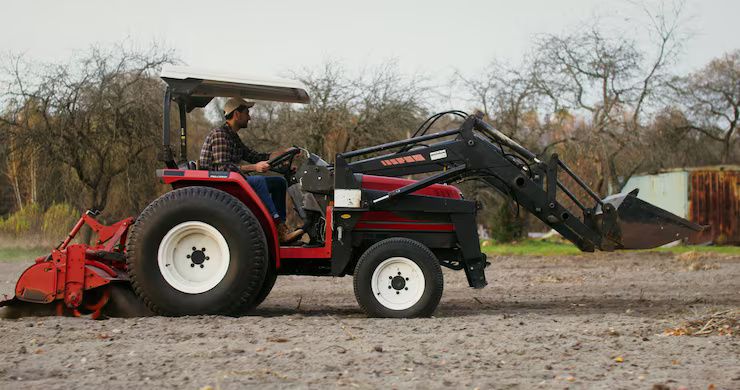
Tractor attachments are specialized implements designed to connect with tractors to perform a wide range of agricultural tasks. These attachments transform a basic tractor into a multifunctional machine capable of handling soil preparation, planting, irrigation support, harvesting, and material handling.
The concept of tractor attachments exists because farming requires diverse operations across different stages of crop production. Manual labor alone is often insufficient to meet modern agricultural demands. Attachments allow farmers to use a single power source—the tractor—for multiple purposes, improving productivity and reducing repetitive effort.
Over time, tractor attachments have evolved to support precision agriculture, enabling more controlled and efficient farming practices. They are now essential components of mechanized agriculture, contributing to both small-scale and large-scale farming systems.
Why Tractor Attachments Matter in Modern Agriculture
Tractor attachments play a vital role in improving farming efficiency, crop quality, and resource management.
Key reasons this topic is important today:
-
Operational versatility: A single tractor can perform multiple tasks with different attachments
-
Time efficiency: Mechanized operations reduce time required for field preparation and harvesting
-
Labor optimization: Reduces dependence on manual labor for repetitive tasks
-
Improved crop management: Enables uniform soil treatment, seeding, and irrigation
-
Enhanced productivity: Supports higher output with consistent results
These attachments affect farmers, agricultural planners, rural development programs, and equipment operators. They help solve challenges such as uneven soil preparation, inefficient planting, delayed harvesting, and inconsistent crop yields.
As agriculture adapts to changing climate conditions and growing food demand, tractor attachments contribute to more reliable and scalable farming practices.
Types of Tractor Attachments and Their Functions
Different attachments are designed for specific agricultural tasks. Each type supports a particular stage of the farming cycle.
Common tractor attachments include:
-
Ploughs: Used for turning and loosening soil before planting
-
Rotavators: Break down soil clumps and prepare seedbeds
-
Seed drills: Ensure uniform seed placement and spacing
-
Cultivators: Control weeds and aerate soil
-
Sprayers: Distribute water, nutrients, or protective solutions
-
Harvesters: Assist in crop collection and separation
-
Trailers: Transport harvested crops and materials
| Attachment Type | Primary Function | Farming Stage |
|---|---|---|
| Plough | Soil turning | Land preparation |
| Rotavator | Soil refinement | Seedbed preparation |
| Seed drill | Seed placement | Planting |
| Cultivator | Soil aeration | Crop maintenance |
| Sprayer | Application of inputs | Growth stage |
| Harvester | Crop collection | Harvesting |
| Trailer | Material transport | Post-harvest |
Each attachment contributes to efficiency by ensuring consistent operation and reducing variability in fieldwork.
Recent Updates and Agricultural Trends (2024–2025)
Tractor attachment technology has advanced significantly in the past year, driven by sustainability goals and precision farming needs.
| Year | Trend or Development | Impact on Farming |
|---|---|---|
| 2024 | Growth in precision farming attachments | Improved accuracy in seeding and input application |
| 2024 | Increased use of lightweight materials | Reduced fuel consumption and soil compaction |
| 2025 | Integration with smart monitoring systems | Better tracking of field operations |
| 2025 | Multi-functional attachments | Reduced need for multiple machines |
Recent developments highlight the shift toward data-informed agriculture, where attachments are designed to support consistent depth control, spacing accuracy, and efficient resource use. There is also growing adoption of attachments suitable for conservation farming practices, which focus on soil health and reduced disturbance.
Laws, Policies, and Government Programs
Tractor attachments are influenced by agricultural policies, safety regulations, and government support programs.
Key regulatory and policy considerations include:
-
Agricultural mechanization schemes: Promote adoption of modern equipment
-
Subsidy programs for farm equipment: Encourage improved productivity
-
Safety standards for machinery: Ensure operator protection and proper usage
-
Environmental guidelines: Support sustainable farming practices
-
Rural development initiatives: Improve access to mechanized tools
In countries like India, government programs under agricultural departments often promote mechanization to increase farm efficiency and reduce manual workload. Regulations may also define safe operation practices, attachment compatibility, and equipment standards.
Tools and Resources for Better Understanding
Several tools and educational resources help farmers and learners understand tractor attachments and their applications.
Helpful resources include:
-
Agricultural extension program materials
-
Farming equipment manuals and guides
-
Crop-specific mechanization charts
-
Soil preparation and planting guides
-
Government agriculture portals
Practical tools and references:
-
Field planning templates
-
Equipment selection charts based on crop type
-
Maintenance checklists for attachments
-
Seasonal farming calendars
-
Input application calculation charts
These resources support informed decision-making and improve operational efficiency in agricultural practices.
Operational Insights and Best Practices
Using tractor attachments effectively requires proper planning and understanding of field conditions.
Important operational considerations:
-
Match attachment type with soil condition and crop requirement
-
Ensure correct alignment and secure attachment to the tractor
-
Maintain consistent operating speed for uniform results
-
Monitor wear and tear on moving components
-
Follow recommended maintenance intervals
These practices help maintain performance, reduce breakdowns, and ensure safe operation.
Frequently Asked Questions
What are tractor attachments used for?
They are used to perform various farming tasks such as ploughing, planting, spraying, and harvesting.
Can one tractor handle multiple attachments?
Yes. Tractors are designed to support different attachments, making them versatile for multiple agricultural operations.
Why are tractor attachments important in modern farming?
They improve efficiency, reduce labor effort, and support consistent crop management.
How do attachments improve crop yield?
They ensure uniform soil preparation, accurate planting, and timely operations, which contribute to better crop growth.
Are tractor attachments suitable for small farms?
Yes. Many attachments are designed for different farm sizes and can be adapted to specific needs.
Conclusion
Tractor attachments are essential tools in modern agriculture, enabling efficient and versatile farming operations. By transforming tractors into multi-functional machines, these attachments support every stage of crop production—from soil preparation to harvesting.
As agricultural practices evolve toward sustainability and precision, tractor attachments continue to advance in design, efficiency, and usability. Understanding their types, functions, and operational insights helps farmers and learners make informed decisions that improve productivity and resource management.
Modern farming efficiency depends not only on machinery but also on how effectively these tools are used. Tractor attachments remain a key element in achieving consistent and sustainable agricultural outcomes.