The Complete Guide to Slurry Pumps: Knowledge, Details, and Practical Insights
Slurry pumps are specialized hydraulic machines designed to transport liquids that contain solid particles. Unlike standard water pumps, slurry pump systems are built to handle abrasive, dense, or corrosive mixtures such as mud, sand, ore, ash, and wastewater sludge.
The concept of slurry transport emerged as industries expanded into mining, mineral processing, construction, and wastewater treatment technology. Moving thick mixtures through pipelines requires robust centrifugal slurry pump design, reinforced materials, and optimized hydraulic performance.
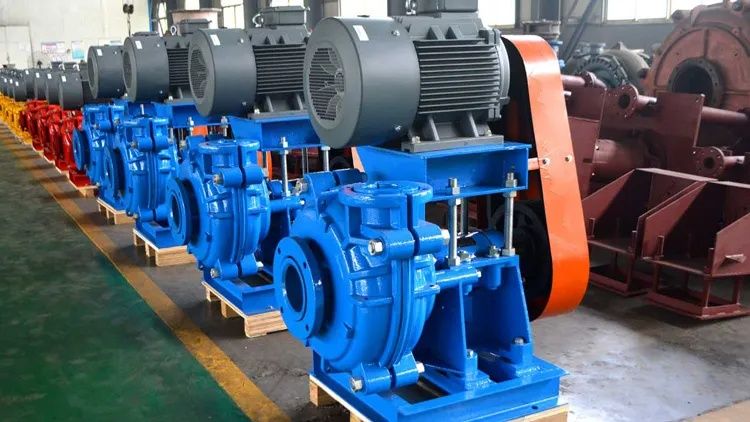
Slurry pumps exist because conventional pumping systems often fail when exposed to heavy solids. Excessive wear, clogging, and reduced efficiency are common challenges in abrasive environments. By using wear-resistant liners, hardened impellers, and controlled flow dynamics, slurry pumps ensure reliable material transfer across industrial processes.
These systems are commonly found in:
-
Mining and mineral processing plants
-
Thermal power facilities handling fly ash
-
Wastewater treatment plants
-
Dredging and excavation projects
-
Cement and construction industries
Slurry pump applications are essential where fluid movement and solid handling must occur simultaneously without compromising operational stability.
Why Slurry Pumps Matter Today
Industrial infrastructure depends heavily on efficient fluid transport systems. Slurry pumps play a critical role in maintaining productivity, environmental safety, and operational continuity.
In mining equipment solutions, slurry pumps transfer ore pulp from crushers to processing units. In wastewater treatment technology, they move sludge between settling tanks and filtration systems. In construction, they manage drilling mud and excavation slurry.
Their importance is linked to several modern challenges:
-
Increasing industrial output
-
Stricter environmental compliance standards
-
Demand for energy-efficient hydraulic engineering equipment
-
Expansion of infrastructure and mineral extraction projects
Without properly engineered slurry pump systems, industries may face pipeline blockages, equipment breakdown, and inefficient energy consumption.
Key problems slurry pumps help solve include:
-
Transporting abrasive and high-density fluids
-
Reducing pipeline clogging
-
Handling corrosive chemical mixtures
-
Maintaining consistent pressure in heavy-duty operations
Their design helps minimize wear-related downtime, which supports long-term industrial reliability.
Types of Slurry Pumps and Their Functional Differences
Understanding the types of slurry pumps improves equipment selection and operational efficiency.
Centrifugal slurry pumps are the most widely used. They rely on rotational energy from an impeller to move slurry outward through centrifugal force. These pumps are suitable for high-flow and moderate-pressure systems.
Horizontal slurry pumps are installed along a horizontal shaft. They are commonly used in mining plants due to easier maintenance access.
Vertical slurry pumps are mounted vertically, often in sump applications. They are suitable for deep pits and submerged conditions.
Submersible slurry pumps operate underwater and are often used in dredging and wastewater environments. Their sealed motor design prevents contamination and improves safety.
A simplified comparison table is shown below:
| Pump Type | Typical Use Case | Installation Style | Maintenance Access |
|---|---|---|---|
| Centrifugal | General slurry transfer | Horizontal | Moderate |
| Vertical | Sump and pit applications | Vertical | Accessible top |
| Submersible | Dredging, wastewater | Fully submerged | Limited on-site |
| Heavy-duty horizontal | Mining and mineral processing | Horizontal | Easier access |
Selection depends on slurry density, particle size, pressure requirements, and environmental conditions.
Recent Developments and Industry Trends
The slurry pump industry has seen technical improvements and regulatory influence in recent months.
Several equipment manufacturers introduced enhanced impeller designs to reduce internal turbulence and increase hydraulic efficiency. Reports from industry publications during recent quarters highlight a shift toward energy-efficient pump systems that lower electricity consumption in continuous operations.
Another development includes the adoption of advanced wear-resistant materials such as high-chrome alloys and composite liners. These materials extend operational life in abrasive environments.
Digital monitoring has also expanded. Many modern slurry pump systems now integrate sensors for vibration monitoring, temperature tracking, and predictive maintenance alerts. These tools help reduce unexpected downtime and improve asset management.
Environmental monitoring regulations introduced in various regions during recent periods have influenced wastewater treatment technology upgrades. Plants are increasingly using pumps with improved sealing mechanisms to prevent leakage of contaminated slurry.
There is also growing interest in automation integration, where slurry pump performance data connects with centralized industrial control systems for real-time adjustments.
These trends reflect broader shifts toward sustainability, energy optimization, and digital infrastructure in hydraulic engineering equipment.
Laws, Regulations, and Compliance Considerations
Slurry pumps are influenced by environmental and industrial safety regulations. Although specific policies vary by region, most industrial operations must comply with:
-
Environmental discharge standards
-
Workplace safety regulations
-
Equipment noise and vibration limits
-
Industrial waste handling rules
In wastewater treatment facilities, sludge transport systems must prevent leaks and accidental discharge. This often requires sealed pump housings and proper maintenance schedules.
Mining operations are typically regulated under environmental protection laws that mandate safe tailings and slurry management. Pump systems used in tailings transport must meet structural and safety standards to prevent contamination of soil or water.
Industrial facilities must also follow occupational health guidelines regarding equipment maintenance and operational safety. Protective guarding, vibration control, and proper installation are essential for regulatory compliance.
In many regions, energy efficiency guidelines encourage industries to adopt optimized pump selection and performance monitoring systems to reduce power consumption.
Understanding local regulations ensures that slurry pump systems align with compliance requirements and operational best practices.
Tools, Calculators, and Practical Resources
Selecting and managing slurry pump systems often requires specialized tools and references.
Common technical resources include:
-
Pump performance curve charts
-
Hydraulic calculation software
-
Slurry density calculators
-
Wear rate estimation models
-
Flow rate measurement tools
Several engineering platforms provide simulation tools for centrifugal slurry pump design and pipeline analysis. These digital tools help engineers evaluate pressure loss, head calculations, and pump efficiency before installation.
Useful resources may include:
-
Engineering reference handbooks on fluid mechanics
-
Industrial standards documentation portals
-
Online pump selection calculators
-
Predictive maintenance software systems
-
Vibration analysis tools for rotating equipment
Frequently Asked Questions
What is the difference between a slurry pump and a water pump?
A slurry pump is designed to handle liquids containing solid particles. It uses reinforced materials and wear-resistant components. A water pump typically handles clean or lightly contaminated liquids and may not withstand abrasive materials.
How do you prevent wear in slurry pump systems?
Wear can be reduced by selecting appropriate liner materials, maintaining correct pump speed, ensuring proper alignment, and monitoring particle size distribution. Regular inspection helps detect early damage.
What factors affect slurry pump efficiency?
Efficiency depends on slurry density, particle size, pump speed, impeller design, and pipeline layout. Proper system matching and hydraulic calculations improve overall performance.
Are slurry pumps energy efficient?
Modern designs focus on energy optimization. High-efficiency impellers, variable speed drives, and predictive monitoring systems help reduce energy consumption in continuous operations.
Can slurry pumps handle corrosive materials?
Yes, but material selection is important. Pumps handling chemically aggressive slurries often use specialized alloys or rubber linings to resist corrosion.
Conclusion
Slurry pumps are essential components of industrial fluid transport systems. They are engineered to manage abrasive, dense, and particle-laden mixtures across mining, wastewater treatment, construction, and power generation sectors.
Their importance lies in maintaining operational efficiency, preventing clogging, and supporting environmental compliance standards. Advances in materials science, digital monitoring, and energy optimization have improved reliability and sustainability in slurry pump applications.