Textile Dyeing Processes: Basics, Methods, and Industry Insights
Textile dyeing processes refer to the techniques used to add color to fibers, yarns, or fabrics. These processes have been part of textile production for centuries and are essential for creating the wide range of colored materials used in clothing, home textiles, industrial fabrics, and technical textiles.
At its core, textile dyeing involves applying dyes to textile materials in a way that ensures the color bonds with the fibers and remains stable during washing, exposure to sunlight, and everyday use. Different fibers—such as cotton, wool, silk, polyester, and nylon—require different dye types and methods because their chemical structures vary.
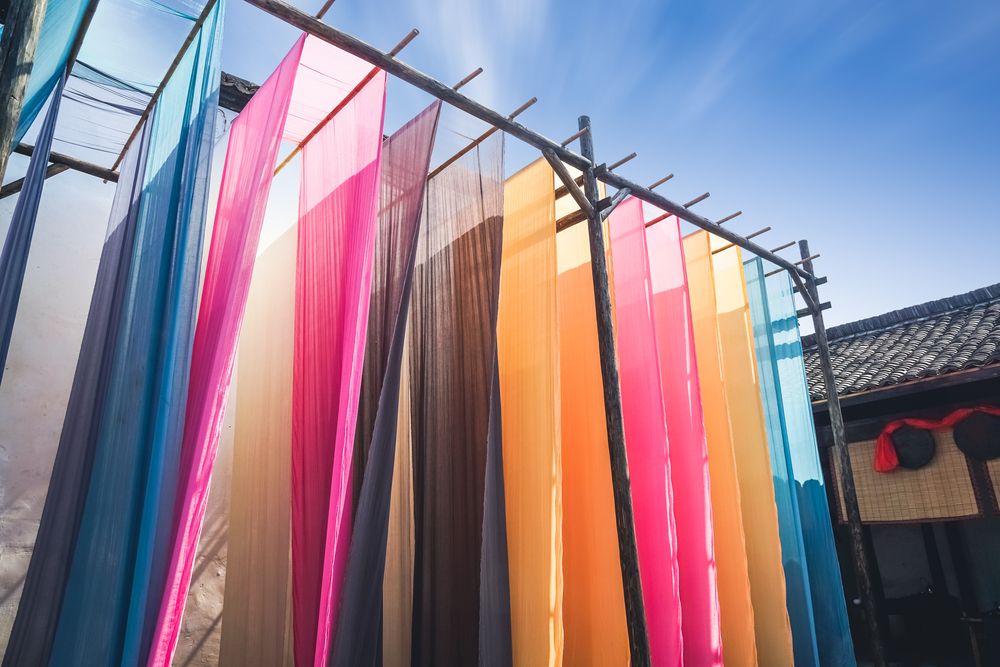
Historically, natural dyes derived from plants, insects, and minerals were widely used. Over time, scientific advances introduced synthetic dyes, which improved color consistency, durability, and efficiency in large-scale textile manufacturing.
Modern textile dyeing combines traditional craftsmanship with industrial technology. Factories now rely on automated dyeing machines, digital monitoring systems, and controlled chemical processes to ensure quality and consistency.
Understanding textile dyeing processes is important for students of textile engineering, designers, manufacturing professionals, and anyone interested in how fabrics are produced.
Why Textile Dyeing Processes Matter Today
Textile dyeing plays a significant role in the global textile and fashion industries. Nearly every fabric product undergoes some form of coloration, making dyeing a fundamental step in textile manufacturing.
Several factors explain why textile dyeing remains an important topic.
Product appearance and design
Color is one of the most influential aspects of textile design. Dyeing allows manufacturers and designers to produce fabrics in countless shades and patterns. This supports fashion trends, branding, and product differentiation.
Material performance
Some dyeing techniques improve functional properties of textiles. For example:
-
UV-resistant fabrics
-
Colorfast sportswear
-
Heat-resistant industrial textiles
These performance features are often integrated during dyeing or finishing processes.
Environmental impact
Dyeing is one of the most resource-intensive stages of textile production. It uses water, chemicals, and energy. As sustainability concerns grow, the textile industry is focusing on cleaner dyeing technologies and better wastewater management.
Supply chain transparency
Many organizations and environmental initiatives encourage responsible dyeing practices. Improved transparency helps manufacturers track chemical use, water consumption, and environmental impact.
Innovation in textile technology
Modern research focuses on improving dye absorption, reducing water use, and introducing new eco-friendly dye systems. These developments influence textile engineering, fashion technology, and material science.
Because dyeing affects both product quality and environmental performance, it remains a key area of study in textile production.
Key Textile Dyeing Methods
Different textile dyeing methods are used depending on the type of fiber, desired color results, and production scale.
The following table summarizes common dyeing processes used in textile manufacturing.
| Dyeing Method | Description | Common Fiber Types |
|---|---|---|
| Fiber Dyeing | Fibers are dyed before spinning into yarn | Cotton, wool |
| Yarn Dyeing | Yarns are dyed before weaving or knitting | Cotton, acrylic |
| Piece Dyeing | Fabric is dyed after weaving or knitting | Cotton, polyester |
| Garment Dyeing | Finished garments are dyed after sewing | Cotton apparel |
| Solution Dyeing | Color added to synthetic fiber during production | Polyester, nylon |
Fiber Dyeing
In fiber dyeing, loose fibers are dyed before spinning. This method allows deep color penetration and is commonly used for blended yarns or wool textiles.
Yarn Dyeing
Yarn dyeing colors the yarn before fabric formation. It is widely used for striped fabrics, plaids, and patterned textiles because different colored yarns can be woven together.
Piece Dyeing
Piece dyeing is one of the most widely used industrial methods. Large rolls of fabric are dyed in machines after weaving or knitting.
Garment Dyeing
Garment dyeing colors finished clothing items. This method is commonly used in fashion production to create unique tones or vintage-style effects.
Solution Dyeing
In synthetic fiber production, pigments are added during the fiber manufacturing stage. The color becomes part of the fiber itself, resulting in excellent color durability.
Trends and Developments in Textile Dyeing
Recent developments in textile technology have focused on efficiency, environmental responsibility, and digital integration in dyeing operations.
Several industry trends have gained attention in recent months.
Water-efficient dyeing technologies
Researchers and textile manufacturers are developing dyeing techniques that significantly reduce water consumption. Methods such as foam dyeing and low-liquor-ratio dyeing aim to lower the amount of water needed during processing.
Digital color management
Modern textile factories increasingly use digital color measurement systems. These systems help ensure accurate color matching and reduce waste caused by incorrect dye batches.
Sustainable dye chemistry
Scientists are exploring bio-based dyes and plant-derived colorants that can reduce environmental impact while maintaining color stability.
Automation in dyeing machines
Advanced dyeing machines now include automated temperature control, chemical dosing systems, and real-time monitoring. These technologies help improve consistency and production efficiency.
Closed-loop wastewater treatment
Environmental improvements in dyeing facilities often include water recycling systems that treat and reuse wastewater, reducing discharge into natural water sources.
These developments reflect a broader movement toward sustainable textile manufacturing and responsible chemical management.
Regulations and Policy Influence
Textile dyeing processes are closely linked to environmental regulations and chemical safety policies.
Many textile manufacturing regions follow guidelines that regulate the use of certain dyes and chemical substances. These rules help protect worker safety, public health, and ecosystems.
Several policy areas influence textile dyeing operations.
Chemical management regulations
Some dye chemicals can contain substances that are harmful to people or the environment. Regulatory frameworks often limit or monitor these chemicals in textile production.
Wastewater discharge standards
Dyeing factories typically generate wastewater containing dyes, salts, and auxiliary chemicals. Environmental standards may require treatment systems before water is released into natural waterways.
Environmental certification programs
International certification initiatives encourage responsible dyeing practices. Textile manufacturers may follow these programs to demonstrate compliance with environmental standards.
Worker safety regulations
Handling dyes and chemicals requires proper safety practices. Policies often require protective equipment, ventilation systems, and training for workers involved in dyeing operations.
These regulatory frameworks encourage improved environmental performance and responsible chemical use across the textile industry.
Tools and Resources for Understanding Textile Dyeing
Many educational resources and digital tools help students, engineers, and researchers understand dyeing processes more effectively.
The following table lists examples of useful resources related to textile dyeing.
| Resource Type | Purpose |
|---|---|
| Textile dyeing simulation software | Demonstrates color absorption and dye behavior |
| Color matching systems | Helps determine accurate dye formulations |
| Fabric testing equipment | Measures colorfastness and dye durability |
| Textile research databases | Provides academic papers and technical studies |
| Dye chemistry reference guides | Explains dye classes and fiber compatibility |
Other helpful learning tools include:
-
Online textile engineering courses
-
Laboratory manuals for dyeing experiments
-
Industrial process diagrams
-
Fiber and dye compatibility charts
These resources help learners understand both theoretical concepts and real-world dyeing practices used in textile production.
Frequently Asked Questions
What is textile dyeing?
Textile dyeing is the process of applying color to fibers, yarns, fabrics, or garments using dyes that bond with the material. The goal is to produce stable colors that remain consistent during washing and use.
What types of dyes are used in textile dyeing?
Different dye types are used depending on fiber composition. Common examples include:
-
Reactive dyes for cotton
-
Acid dyes for wool and silk
-
Disperse dyes for polyester
-
Vat dyes for durable coloration
Each dye type interacts with fibers in different chemical ways.
Why is water usage important in textile dyeing?
Traditional dyeing methods can require significant amounts of water. Managing water consumption and wastewater treatment is important to reduce environmental impact and support sustainable textile production.
What is colorfastness in textiles?
Colorfastness refers to how well a dyed fabric maintains its color during washing, exposure to sunlight, friction, and perspiration. High colorfastness indicates strong dye bonding and stable coloration.
How does fiber type affect dyeing?
Different fibers absorb dyes differently because of their chemical structure. Natural fibers such as cotton absorb certain dye classes, while synthetic fibers require specialized dyes and higher temperatures during dyeing.
Conclusion
Textile dyeing processes are a fundamental part of textile manufacturing, influencing the appearance, durability, and performance of fabrics used across many industries. From traditional natural dye techniques to advanced industrial dyeing systems, the methods used to color textiles have evolved significantly over time.
Today, dyeing processes are shaped by technological innovation, environmental awareness, and regulatory standards. Advances in water-efficient dyeing, digital color management, and sustainable dye chemistry are transforming how fabrics are produced and colored.