Temporary Warehouse Space Rentals: Complete Guide, Insights, and Practical Tips
Temporary warehouse space rentals refer to short-term industrial storage facilities used by businesses to manage inventory overflow, seasonal demand, supply chain adjustments, or project-based distribution needs. These facilities are commonly used in logistics management, commercial real estate planning, eCommerce fulfillment, and industrial storage strategy.
Unlike long-term industrial leases, temporary warehouse arrangements focus on flexibility. Companies may need additional storage during peak retail seasons, infrastructure upgrades, product launches, or distribution realignment. Instead of committing to extended contracts, organizations utilize short-duration agreements to maintain operational efficiency.
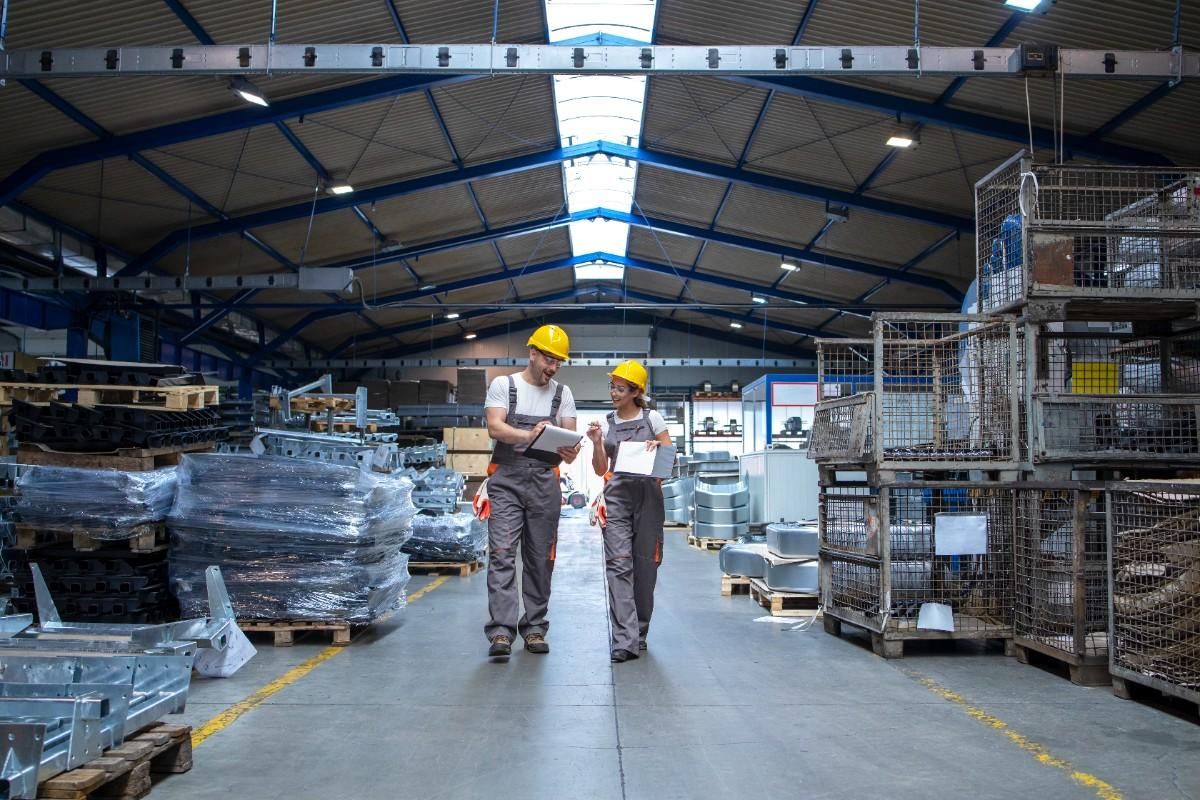
Temporary warehousing exists because supply chains are rarely static. Market demand shifts, transportation delays occur, and production cycles fluctuate. Short-term warehouse space supports continuity without permanent expansion.
Understanding Temporary Warehouse Space Rentals
Temporary warehouses typically include:
-
Pallet racking systems
-
Loading docks and freight access
-
Climate-controlled storage (when required)
-
Inventory management compatibility
-
Flexible lease structures
They are commonly used in:
-
eCommerce inventory management
-
Retail supply chain operations
-
Manufacturing overflow storage
-
Import-export logistics coordination
-
Construction material staging
These facilities may range from shared warehouse environments to dedicated industrial storage units depending on operational needs.
Why Temporary Warehouse Rentals Matter Today
Modern supply chains operate in a highly dynamic environment influenced by global trade shifts, digital commerce growth, and transportation variability. Temporary warehouse capacity helps organizations respond quickly to demand fluctuations without long-term real estate commitments.
Key reasons this topic is relevant include:
-
Rapid expansion of eCommerce logistics
-
Seasonal retail cycles and promotional inventory surges
-
Infrastructure modernization projects
-
Global supply chain diversification
-
Urban distribution center demand
The following table illustrates how temporary warehousing supports different industries:
| Industry | Common Use Case | Operational Benefit |
|---|---|---|
| Retail & eCommerce | Peak season inventory storage | Demand flexibility |
| Manufacturing | Raw material overflow | Production continuity |
| Construction | Equipment staging | Project coordination |
| Food & Beverage | Short-term cold storage | Inventory rotation |
| Import/Export | Customs holding and redistribution | Transit efficiency |
Temporary warehousing solves several challenges:
-
Prevents supply chain bottlenecks
-
Supports distribution center optimization
-
Reduces operational disruption
-
Improves inventory turnover management
-
Enhances business continuity planning
In commercial real estate strategy, flexible warehousing also supports asset-light expansion models, particularly in growing metropolitan regions.
Recent Trends and Developments
In recent months, the logistics sector has experienced measurable shifts that influence temporary warehouse demand.
Automation integration has increased in short-term facilities. Robotics-assisted picking systems and AI-based warehouse management software are becoming more adaptable to flexible warehouse environments.
Urban micro-fulfillment centers have expanded in dense cities, supporting faster last-mile distribution. This has created demand for smaller, temporary storage hubs positioned near high-consumption zones.
Sustainability initiatives have influenced warehouse design. Energy-efficient lighting, rooftop solar installations, and green building certifications are increasingly incorporated even in short-term industrial storage properties.
Inventory analytics tools have improved forecasting accuracy. Businesses now rely on real-time data dashboards to anticipate when temporary warehouse capacity will be required.
The following simplified comparison shows evolving warehouse features:
| Feature | Traditional Warehouse | Modern Temporary Warehouse |
|---|---|---|
| Automation Level | Limited | Moderate to Advanced |
| Data Integration | Basic | Real-Time Tracking |
| Energy Efficiency | Standard | Optimized Systems |
| Flexibility | Long-Term Lease | Short-Term Adaptability |
These developments reflect the broader digital transformation in logistics and supply chain management.
Laws and Regulatory Considerations
Temporary warehouse operations are influenced by commercial property regulations, zoning requirements, safety standards, and environmental compliance rules.
Key regulatory areas include:
-
Zoning and land-use approvals
-
Fire safety and building codes
-
Occupational health and workplace safety standards
-
Environmental protection guidelines
-
Transportation and freight access regulations
Businesses using temporary warehouse space must ensure compliance with:
-
Local industrial zoning classifications
-
Hazardous material storage regulations (if applicable)
-
Proper documentation for inventory handling
-
Data protection standards for logistics software systems
Government programs sometimes encourage industrial infrastructure development through tax incentives or logistics corridor initiatives. While rules vary by region, compliance remains essential to prevent operational interruptions.
Tools and Resources for Managing Temporary Warehouse Operations
Several digital tools support efficient warehouse management and logistics planning.
Warehouse Management Systems (WMS)
Platforms such as SAP Extended Warehouse Management and Oracle Warehouse Management Cloud help track inventory, automate picking workflows, and integrate transportation logistics.
Supply Chain Analytics Tools
Solutions from Microsoft Power BI enable businesses to monitor stock levels, forecast demand, and optimize storage capacity.
Transportation Coordination Platforms
Freight coordination systems integrate with temporary warehouse sites to manage inbound and outbound shipments efficiently.
Inventory Forecasting Calculators
Online logistics calculators assist in estimating required pallet space based on SKU volume and turnover rate.
Digital Documentation Templates
Standardized warehouse inspection checklists and compliance templates help ensure regulatory alignment.
The following simplified capacity planning table demonstrates space estimation logic:
| Inventory Units | Average Pallet Size (sq ft) | Estimated Storage Area (sq ft) |
|---|---|---|
| 500 | 13 | 6,500 |
| 1,000 | 13 | 13,000 |
| 2,000 | 13 | 26,000 |
These resources support structured planning and risk reduction.
Frequently Asked Questions
What is the difference between temporary and long-term warehouse leases?
Temporary warehouse leases focus on short-duration agreements that provide flexibility. Long-term leases typically involve extended commitments and customized facility arrangements.
Who typically uses temporary warehouse space?
Retailers, eCommerce companies, manufacturers, construction firms, and logistics operators frequently utilize temporary warehousing for inventory overflow or project-based storage.
How long can temporary warehouse agreements last?
Duration varies depending on operational needs and property policies. Arrangements may range from a few weeks to several months, depending on logistics planning requirements.
Is automation compatible with temporary warehouse setups?
Yes. Modern short-term warehouses increasingly integrate scalable automation systems such as mobile robotics and cloud-based inventory tracking platforms.
Are there compliance considerations for temporary storage?
Yes. Businesses must follow zoning laws, fire safety codes, occupational safety regulations, and environmental guidelines relevant to the stored materials.
Conclusion
Temporary warehouse space rentals play a critical role in modern logistics management and supply chain optimization. As global trade patterns evolve and eCommerce growth continues, businesses require flexible industrial storage solutions that adapt to shifting demand.
Short-term warehouse capacity supports operational resilience, distribution efficiency, and strategic inventory management. Advances in automation, sustainability practices, and digital analytics have enhanced the practicality of temporary facilities.
Compliance with regulatory standards remains essential to ensure safe and lawful operations. With the support of warehouse management software, logistics analytics tools, and structured planning methods, organizations can use temporary storage strategically.