Telescopic Handlers: Overview, Basics, Explanation, and Key Facts to Learn
Telescopic handlers, often called telehandlers, are versatile lifting machines widely used in industries such as construction, agriculture, warehousing, and infrastructure development. They combine features of a forklift and a crane, making them suitable for moving heavy materials to heights and distances that standard forklifts cannot reach.
A telescopic handler is equipped with a telescopic boom that can extend forward and upward. Attachments such as forks, buckets, lifting hooks, and platforms can be connected to the boom, allowing the machine to perform various material-handling tasks. This flexibility explains why the equipment is commonly seen at construction sites, farms, and industrial facilities.
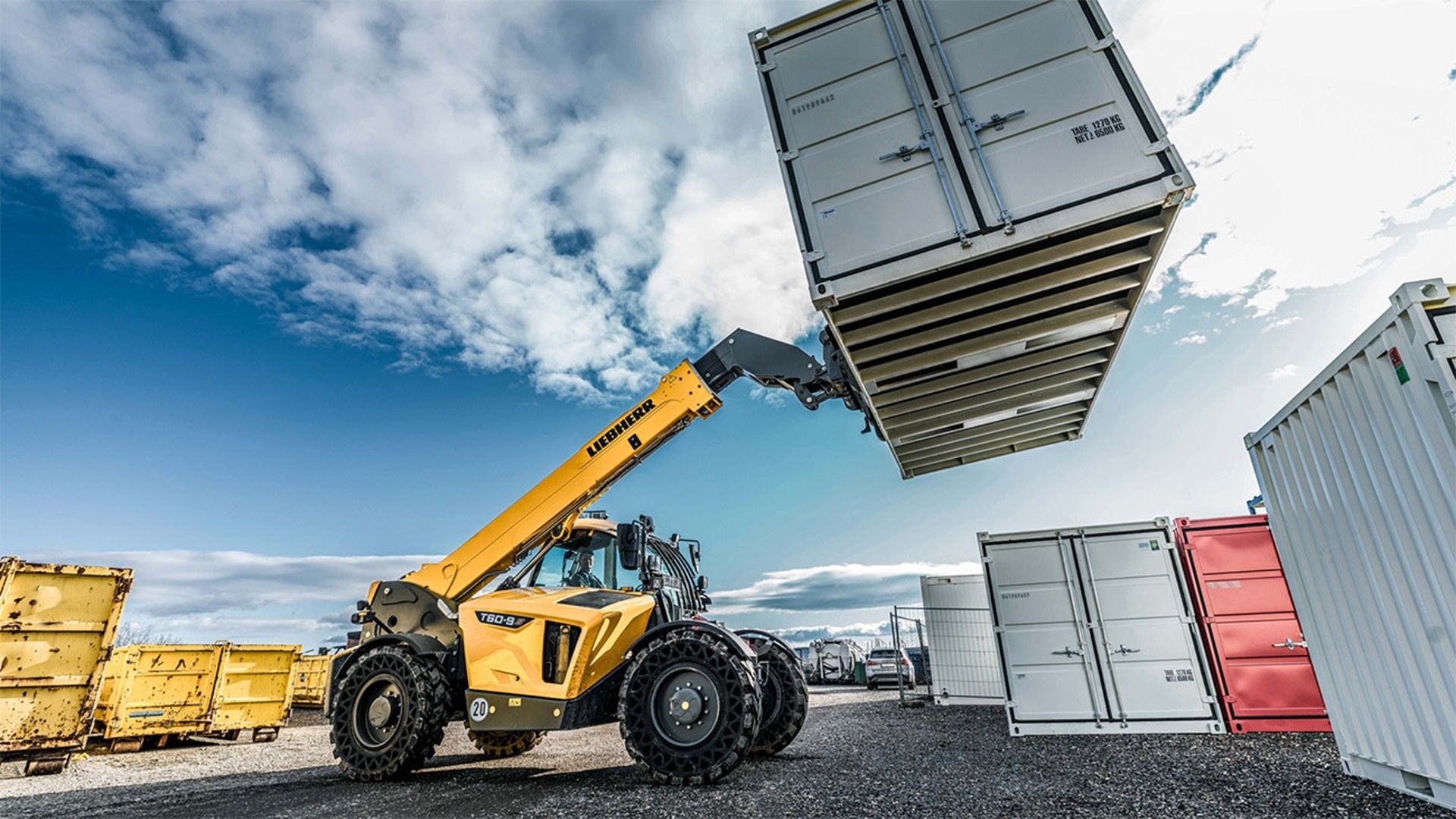
The need for telescopic handlers emerged as industries required machines capable of performing multiple lifting and transport tasks while maintaining stability and precision. Traditional forklifts were limited in reach and height, while cranes were often less efficient for repetitive material movement. Telehandlers filled this gap by combining lifting capability with mobility.
Typical features of telescopic handlers include:
-
Extendable boom arms
-
Four-wheel steering for improved maneuverability
-
Stabilizers for lifting stability
-
Interchangeable attachments for different tasks
Because of their versatility, telescopic handlers have become an important part of construction equipment, material handling systems, and industrial machinery operations.
Why Telescopic Handlers Matter Today
Modern industries rely heavily on efficient material movement, especially in large-scale infrastructure and agricultural operations. Telescopic handlers play a major role in improving productivity, safety, and operational efficiency.
These machines are commonly used for tasks such as:
-
Lifting building materials to upper floors
-
Handling pallets and heavy loads on farms
-
Placing roofing materials or steel structures
-
Transporting equipment across uneven terrain
Their importance has increased due to the rapid growth of global infrastructure projects, logistics facilities, and large agricultural operations.
Industries influenced by telescopic handlers include:
-
Construction and infrastructure development
-
Agriculture and farming logistics
-
Mining and industrial operations
-
Warehousing and distribution centers
The ability to perform multiple lifting tasks with one machine reduces equipment complexity at work sites. Instead of using several specialized machines, organizations can rely on a single telehandler with interchangeable attachments.
The diagram below illustrates how telescopic handlers extend their boom to reach materials at different heights.
| Feature | Function | Benefit |
|---|---|---|
| Telescopic Boom | Extends outward and upward | Reaches high areas |
| Stabilizers | Provide machine balance | Improves safety |
| Interchangeable Attachments | Forks, buckets, platforms | Multiple work functions |
| Four-Wheel Steering | Improves maneuverability | Operates in tight spaces |
This adaptability makes telescopic handlers essential equipment for projects that require flexible material handling solutions.
Recent Updates and Industry Trends
Over the past year, the construction equipment sector has seen several technological developments related to telescopic handlers. These improvements focus on safety systems, automation, and environmental sustainability.
In 2024 and early 2025, many equipment manufacturers introduced new models that incorporate advanced technologies such as:
-
Smart load monitoring systems
-
Operator assistance technology
-
Hybrid or electric power options
-
Digital telematics for machine diagnostics
These features help improve equipment performance while reducing fuel consumption and operational risks.
Another major trend is the growing integration of construction technology and equipment monitoring software. Many modern telehandlers now connect to digital fleet management systems, allowing operators and site managers to monitor machine usage, maintenance schedules, and safety alerts.
The global demand for telehandlers has also increased due to infrastructure development programs in many countries. Projects involving highways, renewable energy facilities, logistics centers, and residential construction frequently rely on telehandlers for material handling tasks.
The following table shows typical improvements seen in newer telescopic handler models.
| Technology Trend | Description | Impact |
|---|---|---|
| Smart Load Sensors | Detect weight and balance | Prevents tipping risks |
| Telematics Systems | Tracks machine performance | Improves maintenance planning |
| Hybrid Engines | Combines electric and fuel power | Reduces emissions |
| Operator Assist Features | Cameras and control alerts | Enhances workplace safety |
These developments demonstrate how modern engineering is improving both safety and efficiency in heavy equipment operations.
Regulations, Safety Rules, and Government Policies
Operating telescopic handlers requires adherence to safety standards and equipment regulations. Governments and workplace safety organizations establish rules that guide how these machines should be used and maintained.
In many countries, telehandlers fall under heavy equipment safety regulations and workplace machinery standards. These policies are designed to prevent accidents and ensure operators are properly trained.
Common regulatory areas include:
-
Operator certification and training
-
Equipment inspection requirements
-
Load capacity limitations
-
Workplace safety protocols
For example, occupational safety agencies in several regions require operators to understand machine stability, attachment usage, and safe lifting procedures before operating telescopic handlers.
Construction sites must also follow general industrial safety regulations, including:
-
Maintaining safe lifting zones
-
Using proper protective equipment
-
Conducting routine machine inspections
Government infrastructure programs may also influence the use of telehandlers. Large public construction projects often require strict compliance with equipment safety and operational standards.
Below is a simplified overview of regulatory considerations.
| Regulation Category | Purpose |
|---|---|
| Operator Certification | Ensures trained equipment operators |
| Safety Inspections | Detects mechanical risks early |
| Load Limit Rules | Prevents machine instability |
| Workplace Safety Protocols | Protects workers around equipment |
Following these guidelines helps maintain safe working environments and reduces operational risks associated with heavy machinery.
Tools and Resources for Learning About Telescopic Handlers
Understanding telescopic handlers becomes easier with the help of digital tools and educational resources. Many organizations and training platforms provide information about heavy equipment operation, safety procedures, and engineering principles.
Helpful resources include:
Equipment simulation platforms
-
Heavy equipment simulators used in training programs
-
Virtual machine operation tools for learning controls
Engineering and machinery reference platforms
-
Online construction equipment encyclopedias
-
Industrial engineering knowledge databases
Machine specification calculators
-
Load capacity estimation tools
-
Equipment performance calculators
Industry information platforms
-
Construction equipment research websites
-
Agricultural machinery information portals
Digital tools can also help learners understand machine performance metrics such as lifting height, reach, and load capacity.
The following example shows typical performance specifications used in telehandler analysis.
| Specification | Example Range |
|---|---|
| Maximum Lift Height | 6–20 meters |
| Maximum Forward Reach | 3–15 meters |
| Load Capacity | 2,500–5,000 kg |
| Engine Power | 70–150 HP |
These specifications vary depending on machine design and intended industry use.
Frequently Asked Questions About Telescopic Handlers
What is the difference between a telescopic handler and a forklift?
A forklift lifts loads vertically using fixed forks, while a telescopic handler uses an extendable boom that allows materials to be lifted both upward and outward. This extended reach allows telehandlers to access elevated or distant locations.
Where are telescopic handlers commonly used?
They are widely used in construction sites, agricultural operations, industrial warehouses, mining environments, and infrastructure development projects.
What attachments can be used with telescopic handlers?
Common attachments include pallet forks, buckets, lifting hooks, work platforms, and bale clamps. These attachments allow the machine to perform multiple tasks.
Are telescopic handlers safe to operate?
Yes, when operated according to safety guidelines and manufacturer instructions. Modern machines include stability sensors, load monitoring systems, and operator safety features.
Why are telehandlers considered versatile machines?
Their extendable boom, multiple attachments, and ability to operate on uneven terrain allow them to perform a wide range of lifting and material handling tasks.
Conclusion
Telescopic handlers are an important part of modern construction and industrial machinery. Their ability to combine lifting height, reach, and mobility allows them to perform tasks that would otherwise require multiple machines.
Over time, advancements in engineering and digital technology have improved the safety and efficiency of these machines. Features such as load sensors, telematics systems, and hybrid engines reflect the ongoing evolution of heavy equipment technology.