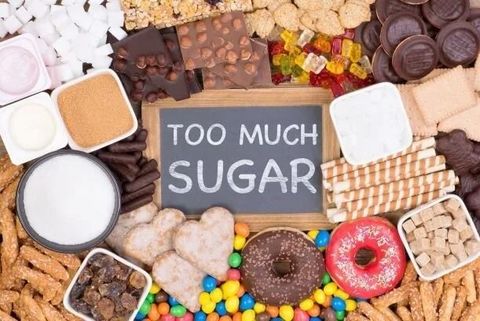
Sugar and Health Risks Explained: Learn Basics, Insights, and Smart Advice
Sugar is a type of carbohydrate that gives the body energy. It occurs naturally in many foods like fruits, vegetables, and dairy products. These natural sources usually come with fiber, water, vitamins, and minerals that support overall health.
Another category is added sugar, which is placed into foods and drinks during processing, cooking, or preparation. Added sugar is used because it improves taste, balances acidity, supports texture, and can extend shelf life in packaged food.
You can find sugar in obvious foods like sweets and soft drinks, but also in items that may not taste “sweet,” such as:
-
Breakfast cereals
-
Flavored yogurt
-
Packaged bread
-
Sauces and ketchup
-
Ready-to-eat meals
-
Energy drinks and flavored coffee
Understanding sugar is not about fear. It is about knowing how much you consume, where it comes from, and how it affects your body over time.
Importance: Why Sugar Risks Matter Today
Sugar intake matters because modern eating habits make it easy to consume high amounts without noticing. Many people consume added sugar daily through snacks, beverages, and convenience foods.
Who it affects the most
Sugar-related health risks can affect anyone, but these groups often need extra awareness:
-
Children and teenagers
-
People with family history of diabetes
-
Adults with low physical activity
-
People with obesity or high waist circumference
-
Individuals with high blood pressure or high cholesterol
The biggest health problems linked to high added sugar intake
Frequent high sugar intake may contribute to several long-term health concerns.
Blood sugar spikes and crashes
Sugary drinks and desserts can raise blood glucose quickly. This may lead to short-term fatigue, hunger, and cravings later.
Weight gain and belly fat
Excess sugar adds calories with low fullness. Over time, this can increase weight, especially visceral fat around the abdomen.
Insulin resistance and type 2 diabetes risk
Long-term high sugar intake may increase insulin resistance, especially when combined with low fiber diets and inactivity.
Heart health concerns
High added sugar consumption is linked with poor lipid profiles in some people, such as higher triglycerides.
Dental health issues
Sugar feeds mouth bacteria, increasing the chance of cavities, especially when sugar is consumed frequently throughout the day.
Why it matters: Reducing added sugar supports steadier energy, healthier weight management, better dental outcomes, and improved metabolic health markers for many people.
Recent Updates: What Changed in the Past Year
Over the past year (2025–2026), nutrition discussions around sugar have become more practical and label-focused. Public health communication has increasingly highlighted added sugar, sweetened beverages, and processed snacks as key sources of excess intake.
Some noticeable trends include:
-
Higher interest in low-sugar recipes and home cooking
-
Growth of sugar tracking features in diet tracking apps
-
More consumer focus on front-of-pack nutrition labeling and ingredient awareness
-
Wider attention to sweeteners and sugar alternatives in daily foods
Many health educators now emphasize a realistic approach: reduce sugary drinks first, then improve snack quality, then focus on hidden sugars in packaged foods.
Why it matters: Small, consistent changes (like fewer sugary drinks) can significantly lower added sugar intake without extreme dieting.
Laws or Policies: How Rules Influence Sugar Awareness
Regulations and policies shape how sugar appears on packaging and how consumers understand it. While rules vary by country, many governments follow similar public health goals: improving nutrition transparency and reducing diet-related disease risk.
Common policy areas include:
Nutrition labels and ingredient lists
Many countries require packaged foods to show:
-
Total sugar (sometimes added sugar)
-
Serving size and calories
-
Ingredient order (highest amount listed first)
School nutrition programs
Some regions have guidelines that reduce sugary beverages and high-sugar snacks in school settings, helping children develop healthier habits early.
Sugar-sweetened beverage awareness
Public health campaigns in multiple countries have focused on the impact of sweetened beverages on obesity and metabolic health.
Why it matters: Policies help people make informed choices, but daily habits still play the biggest role in reducing sugar intake.
Tools and Resources: Practical Ways to Track and Reduce Sugar
You do not need complicated systems to manage sugar intake. Simple tracking and label-reading habits can lead to strong results over time.
Helpful tools for daily use
-
Nutrition label reading checklist
-
Check serving size
-
Look at total sugar grams
-
Identify added sugar terms in ingredients
-
-
Calorie and macro calculators
-
Useful for weight management planning
-
Helps estimate daily energy needs
-
-
Diet tracking apps
-
Can track sugar intake trends across weeks
-
Helps compare packaged foods
-
-
Glycemic index (GI) reference charts
-
Helps understand how different carbs may affect blood sugar
-
Best used alongside portion awareness
-
-
Meal planning templates
-
Helps reduce reliance on packaged snacks
-
Encourages balanced meals with protein and fiber
-
Smart swaps that reduce added sugar
-
Replace sugary soda with sparkling water + lemon
-
Choose plain yogurt + fruit instead of flavored yogurt
-
Use nuts, eggs, or roasted snacks instead of candy
-
Try cinnamon or vanilla for flavor instead of extra sugar
Why it matters: The easiest sugar reduction strategy is improving what you drink and snack on, because these are common hidden sources.
Key Insights: Natural Sugar vs Added Sugar
Not all sugar behaves the same way in the real world.
Natural sugar (fruit, milk) usually comes with:
-
Fiber
-
Water
-
Nutrients
These slow digestion and improve fullness.
Added sugar often comes with:
-
Low fiber
-
High calorie density
-
Low nutrition value
Why it matters: You can eat fruit regularly as part of a balanced diet while still limiting added sugar for better long-term health.
How Much Sugar Is Too Much?
There is no perfect number for everyone, but many health guidelines recommend keeping added sugar low compared to total calories.
A practical approach:
-
If you drink sugary beverages daily, reduce gradually
-
Aim for desserts occasionally instead of daily
-
Avoid multiple sugary snacks across the day
Why it matters: Lower frequency matters. Eating sugar in small amounts once in a while is usually different from continuous high intake across meals and snacks.
Common Hidden Names for Added Sugar
Sugar can appear under many names on ingredient lists. Recognizing them helps you identify hidden sources.
Some common forms include:
-
Sucrose
-
Glucose
-
Fructose
-
Dextrose
-
Maltose
-
Corn syrup
-
Honey
-
Molasses
-
Fruit juice concentrate
Why it matters: A product may look “healthy” but still contain multiple sugar sources.
Table: Typical Sugar Amounts in Common Foods and Drinks
| Item (Approx. Serving) | Sugar Amount (Typical) | Notes |
|---|---|---|
| Soft drink (330 ml) | 30–40 g | Often the highest daily source |
| Sweetened coffee drink | 20–35 g | Depends on syrup and toppings |
| Flavored yogurt cup | 12–25 g | Plain yogurt usually lower |
| Breakfast cereal (1 bowl) | 10–20 g | Check label carefully |
| Packaged fruit juice (250 ml) | 20–30 g | Less fiber than whole fruit |
| Chocolate bar (1 small) | 15–25 g | Easy to consume quickly |
Smart Advice: Balanced Ways to Reduce Sugar Without Stress
Reducing sugar works best when it is realistic.
Habits that support steady improvement
-
Eat protein at breakfast (eggs, lentils, yogurt, nuts)
-
Add fiber at meals (vegetables, whole grains, legumes)
-
Keep healthy snacks nearby to avoid impulse choices
-
Sleep well, because poor sleep can increase cravings
-
Drink water regularly
A simple daily strategy
Try this pattern:
-
Morning: Balanced meal (protein + fiber)
-
Afternoon: Snack with protein (nuts, roasted chana, yogurt)
-
Evening: Limit sweet drinks and desserts
-
Night: Herbal tea or plain milk instead of sweet snacks
Why it matters: Sugar reduction becomes easier when meals keep you full and energy stays stable.
FAQs: Quick Answers to Common Questions
Is sugar completely bad for health?
Sugar is not automatically harmful. Natural sugar in whole foods can be part of a balanced diet. The main concern is frequent high intake of added sugar.
Are sugary drinks worse than sugary foods?
Sugary drinks are often more risky because they deliver sugar quickly and do not make you feel full. Many people consume extra calories without realizing.
Does honey count as added sugar?
Yes. Honey is natural, but in nutrition terms it functions like added sugar when used as a sweetener in drinks or recipes.
Can reducing sugar improve energy levels?
Some people feel steadier energy after lowering added sugar, especially if they replace sugary snacks with protein and fiber-rich foods.
Is fruit juice equal to eating fruit?
Not usually. Whole fruit includes fiber and takes longer to eat, which supports fullness. Juice is easier to drink quickly and may add more sugar in one sitting.
Conclusion: A Smarter View of Sugar and Health
Sugar is part of modern diets, and it exists for taste, convenience, and food preservation. The real challenge is that added sugar appears in many foods and drinks, making it easy to consume more than intended.
The most practical approach is not extreme restriction. Focus on reducing sugary drinks, improving snack choices, and learning to read labels. Small changes—done consistently—can help support healthy weight management, balanced blood sugar, heart health awareness, and better dental habits.
By making informed choices, you can enjoy food while keeping sugar intake within a healthier range over time. Disclaimer: The information provided in this article is for informational purposes only. We do not make any claims or guarantees regarding the accuracy, reliability, or completeness of the information presented. The content is not intended as professional advice and should not be relied upon as such. Readers are encouraged to conduct their own research and consult with appropriate professionals before making any decisions based on the information provided in this article.