Steam Turbines: Explore Guide, Basics, Insights, and Essential Knowledge
Steam turbines are one of the most important technologies in modern power generation and industrial energy systems. They convert thermal energy from steam into mechanical energy, which then drives generators to produce electricity. This technology plays a major role in large-scale energy production, especially in thermal power plants, nuclear facilities, and many industrial processes.
Steam turbine technology has evolved for more than a century. Engineers continue to refine turbine efficiency, materials, and control systems to support modern electricity demand and industrial productivity. Understanding how steam turbines work provides valuable insight into global energy infrastructure and advanced engineering systems.
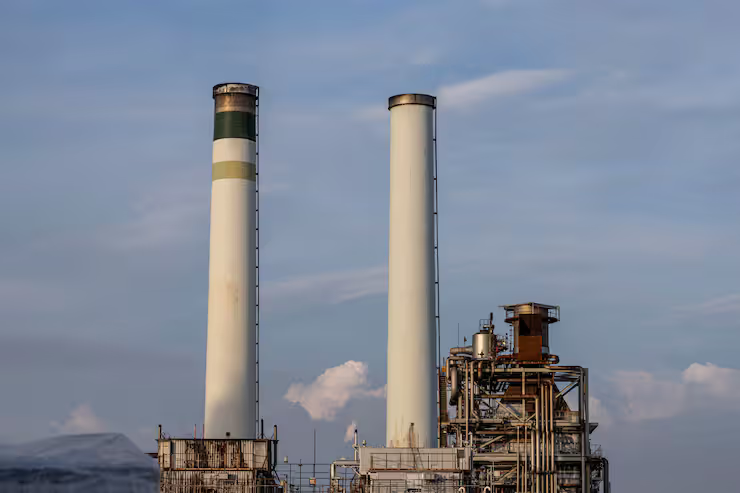
Understanding Steam Turbines and Their Role in Energy Systems
Steam turbines operate using pressurized steam produced by boilers or heat recovery systems. The steam flows through turbine blades, causing the rotor to spin. This rotational energy is transferred to a generator, producing electrical power.
The basic operating principle is based on thermodynamics and fluid dynamics. High-pressure steam expands across turbine stages, gradually transferring energy to rotating blades.
Common components include:
-
Rotor and shaft system
-
Stationary and rotating blades
-
Casing and steam inlet system
-
Condenser and cooling equipment
-
Control and monitoring instruments
The design allows steam turbines to operate continuously in large energy systems while maintaining high mechanical reliability.
The following table shows common steam turbine classifications used in industrial and power generation environments.
| Turbine Type | Description | Typical Application |
|---|---|---|
| Impulse Turbine | Steam pressure drops before blades | High-speed generators |
| Reaction Turbine | Steam expands across rotor blades | Large power plants |
| Condensing Turbine | Steam exhaust goes to condenser | Electricity generation |
| Back-Pressure Turbine | Steam exits at higher pressure | Industrial processes |
These turbine configurations allow engineers to match turbine technology with specific energy requirements and operational conditions.
Why Steam Turbines Remain Critical in Modern Energy Infrastructure
Steam turbines continue to play a central role in electricity generation worldwide. Even as renewable energy technologies expand, large power plants still rely on steam turbines for reliable and consistent power output.
The importance of steam turbines can be understood through several factors:
-
Large-scale electricity production
-
High thermal efficiency in power plants
-
Compatibility with nuclear and geothermal systems
-
Integration with combined-cycle energy plants
-
Long operational lifespan
Steam turbines are also widely used in industries such as:
-
petrochemical processing
-
refineries
-
pulp and paper manufacturing
-
steel production
-
district heating systems
These sectors rely on turbine-driven systems for both mechanical energy and electricity generation.
Another key advantage is their ability to operate with different heat sources, including fossil fuels, nuclear reactions, geothermal heat, and waste heat recovery.
The following simplified performance comparison highlights why steam turbines remain efficient energy conversion systems.
| Energy System | Typical Efficiency Range |
|---|---|
| Simple Steam Cycle | 30–35% |
| Advanced Thermal Plants | 40–45% |
| Combined Cycle Plants | 55–60% |
Efficiency improvements in turbine blade design and thermodynamic cycles continue to improve performance in modern facilities.
Recent Developments and Technology Trends in Steam Turbines
The past year has seen continued innovation in turbine engineering as energy systems adapt to modern efficiency standards and sustainability goals.
Several developments have influenced steam turbine technology:
Advanced Materials and Coatings
Modern turbines increasingly use high-temperature alloys and protective coatings that allow turbines to operate under extreme pressure and temperature conditions. These materials improve reliability and efficiency in power generation systems.
Digital Monitoring and Predictive Maintenance
In 2025, power plants expanded the use of digital monitoring platforms and predictive analytics. These systems track vibration patterns, temperature changes, and performance data to detect potential maintenance issues early.
Benefits include:
-
improved operational reliability
-
reduced unplanned shutdowns
-
better turbine performance analysis
Integration with Renewable Energy Systems
Steam turbines are now frequently used in hybrid energy systems. For example:
-
geothermal power plants utilize steam turbines directly from underground heat sources
-
solar thermal plants generate steam to drive turbines
-
biomass energy facilities rely on steam turbine generators
Efficiency Improvements in Ultra-Supercritical Plants
New ultra-supercritical thermal plants introduced in 2024 and 2025 operate at extremely high steam temperatures and pressures. These designs significantly improve efficiency while reducing fuel consumption per unit of electricity generated.
Regulations and Energy Policies Affecting Steam Turbine Systems
Steam turbine technology operates within the framework of national energy policies, environmental regulations, and engineering safety standards.
In many countries, power generation equipment must comply with strict technical regulations that govern turbine design, emissions, and operational safety.
Important regulatory areas include:
-
Energy efficiency standards
-
Industrial emission limits
-
boiler and pressure vessel safety codes
-
environmental impact assessments
In India, several policies influence power plant technology and turbine operation.
Key regulatory frameworks include:
-
Electricity Act 2003 – governs electricity generation and distribution
-
National Electricity Policy – guides long-term power sector development
-
Perform, Achieve and Trade (PAT) Scheme – encourages industrial energy efficiency
-
Central Electricity Authority (CEA) guidelines for thermal power plant design
Environmental regulations also influence turbine upgrades, particularly in reducing emissions and improving plant efficiency.
Globally, energy transition strategies encourage more efficient thermal power systems, which has led to modernization of existing steam turbine infrastructure.
Tools and Resources for Steam Turbine Knowledge and Performance Analysis
Engineers, students, and energy professionals often rely on digital tools and analytical resources to understand turbine performance and energy system efficiency.
Useful resources include:
Engineering Software Platforms
-
turbine simulation software
-
thermodynamic cycle modeling tools
-
computational fluid dynamics (CFD) systems
These tools help analyze steam flow behavior and optimize turbine design.
Energy Efficiency Calculators
Online energy engineering calculators help estimate:
-
turbine output power
-
thermal efficiency
-
steam consumption rates
-
energy conversion ratios
Educational Platforms
Many universities and technical institutions provide learning resources on turbine engineering, including:
-
thermodynamics courses
-
power plant engineering materials
-
turbine design tutorials
Industry Publications and Technical Papers
Professional engineering journals publish studies related to:
-
turbine blade aerodynamics
-
materials engineering
-
performance optimization
These resources support continuous learning in power generation technology.
Frequently Asked Questions About Steam Turbines
What is the basic principle behind steam turbines?
Steam turbines operate by converting thermal energy from pressurized steam into mechanical rotational energy. The steam expands across turbine blades, causing the rotor to spin and drive a generator.
Where are steam turbines commonly used?
Steam turbines are widely used in thermal power plants, nuclear power stations, geothermal facilities, and large industrial operations requiring mechanical power or electricity generation.
What factors influence steam turbine efficiency?
Several factors affect efficiency, including steam temperature and pressure, turbine blade design, condenser performance, and maintenance conditions.
How long can steam turbines operate in power plants?
Many turbines are designed for long operational lifespans. With proper maintenance and modernization, turbines can remain operational for several decades.
What is the difference between impulse and reaction turbines?
Impulse turbines convert steam pressure into velocity before it strikes the blades, while reaction turbines generate motion through continuous steam expansion across rotating blades.
Conclusion
Steam turbines remain a cornerstone of global energy infrastructure. Their ability to convert thermal energy into mechanical power efficiently has made them indispensable in electricity generation and industrial operations.
Advances in materials science, digital monitoring, and ultra-supercritical power plant technology continue to improve turbine performance and operational reliability. At the same time, environmental policies and energy efficiency programs encourage further modernization of turbine-based energy systems.